


ADVERTISEMENT
ADVERTISEMENT

YOJI sushi & oysters YOJI sushi & oysters
Category
Food & DrinkTag
sushi | food delivery | Japanese cuisine | Oysters | YOJI restaurant
Rate
0.00
★★★★★
Reviews
500 +
Installs
10k +
Developer
Yoji Sushi
Content Rating
Everyone
Japanese food delivery
 APK
APK  Google Play
  iOS
iOS  0.00
0.00ADVERTISEMENT
ADVERTISEMENT
Author's Review
appspicked Review
The text provided is extremely limited, consisting only of an advertisement for a restaurant called "YOJI sushi & oysters" that offers Japanese cuisine delivery. To create a comprehensive summary of 1000-2000 words based on this single line would require significant extrapolation and the introduction of information not explicitly present in the original text. Therefore, the following summary will expand upon the concepts implied by the advertisement, discussing the popularity of Japanese cuisine, the specific offerings of sushi and oysters, the growing trend of food delivery services, and the potential business strategies of a restaurant like YOJI. This expanded context will allow for a more detailed and informative response, while still remaining grounded in the limited information provided. The increasing globalization of culinary tastes has led to a surge in the popularity of ethnic cuisines worldwide, and Japanese food, with its emphasis on fresh ingredients, meticulous preparation, and artistic presentation, has become a particular favorite. Sushi, perhaps the most iconic Japanese dish, has transcended its cultural origins to become a global phenomenon, enjoyed by millions for its diverse flavors, textures, and health benefits. The combination of vinegared rice, fresh seafood, and carefully selected vegetables offers a balanced and satisfying meal that appeals to a wide range of palates. The art of sushi making is a highly skilled craft, requiring years of training to master the techniques of rice preparation, fish cutting, and presentation. Sushi chefs, known as itamae, are revered for their expertise and dedication to their craft, and their creations are often considered works of art. The quality of the ingredients is paramount in sushi preparation, with the freshest seafood and the highest quality rice being essential for creating an exceptional dining experience. Different types of sushi, such as nigiri, maki, and sashimi, offer a variety of flavors and textures, allowing diners to explore the diverse world of Japanese cuisine. The inclusion of oysters in the restaurant's name suggests a focus on seafood, and oysters, with their briny flavor and delicate texture, are often considered a delicacy. Oysters can be served raw, grilled, or baked, and they are a popular appetizer or main course. The combination of sushi and oysters suggests a sophisticated and diverse menu that caters to seafood lovers. The restaurant's emphasis on delivery reflects the growing trend of convenience and the increasing demand for food delivery services. In today's fast-paced world, many people prefer to order food online or through mobile apps and have it delivered to their homes or offices. This trend has been accelerated by the COVID-19 pandemic, which has led to increased demand for contactless delivery options. Restaurants that offer delivery services can reach a wider customer base and increase their sales. The success of a restaurant like YOJI depends on several factors, including the quality of its food, the efficiency of its delivery service, and its marketing efforts. The restaurant must ensure that its sushi and oysters are fresh, flavorful, and presented in an appealing manner. The delivery service must be reliable and timely, and the restaurant must use effective marketing strategies to attract new customers and retain existing ones. This includes online advertising, social media marketing, and partnerships with food delivery platforms.
The restaurant
To further elaborate on the potential elements of YOJI sushi & oysters, one could consider the specific types of sushi and oysters offered, the ambiance of the restaurant (if dine-in is available), and the overall customer experience. For sushi, the menu might include a variety of classic rolls such as California rolls, spicy tuna rolls, and Philadelphia rolls, as well as more traditional nigiri and sashimi options featuring various types of fish, such as salmon, tuna, yellowtail, and eel. Vegetarian options could also be included, such as avocado rolls and cucumber rolls. The quality of the rice is crucial in sushi making, and YOJI would likely use a high-quality short-grain rice that is properly seasoned with vinegar, sugar, and salt. The presentation of the sushi is also important, with chefs taking care to arrange the pieces artfully on the plate. For oysters, the restaurant could offer a selection of different varieties, such as Kumamoto oysters, Blue Point oysters, and Pacific oysters. Each variety has its own unique flavor and texture, and YOJI could provide tasting notes to help customers choose the ones they prefer. Oysters are typically served raw on the half shell, with lemon wedges and mignonette sauce. The restaurant could also offer grilled or baked oysters with various toppings, such as garlic butter or Parmesan cheese. If YOJI has a physical location, the ambiance of the restaurant would play a significant role in the overall customer experience. The decor could be modern and minimalist, or more traditional Japanese-inspired. The lighting should be soft and inviting, and the music should be relaxing and unobtrusive. The restaurant should also be clean and well-maintained. The service should be friendly and attentive, with staff members who are knowledgeable about the menu and able to answer customers' questions. The restaurant should also offer a variety of beverages, such as sake, beer, wine, and Japanese tea. The customer experience is also influenced by the ease of ordering and the speed of delivery. YOJI should have a user-friendly website or mobile app that allows customers to easily browse the menu, place orders, and track their deliveries. The delivery service should be efficient and reliable, with orders arriving on time and in good condition. The restaurant should also provide excellent customer service, promptly addressing any complaints or issues that may arise. To stand out from the competition, YOJI could offer unique promotions and discounts, such as a loyalty program or a sushi-making class. The restaurant could also partner with local businesses or organizations to promote its services. By focusing on quality ingredients, excellent service, and a memorable customer experience, YOJI sushi & oysters can establish itself as a leading provider of Japanese cuisine in the area.
Considering the competitive landscape of the food delivery market, YOJI sushi & oysters would need to differentiate itself to attract and retain customers. This could involve focusing on specific aspects of its offerings, such as using only the highest quality, sustainably sourced seafood, offering unique and innovative sushi creations, or providing exceptional customer service. In addition to the quality of the food and service, the restaurant's branding and marketing efforts would be crucial for success. YOJI would need to create a strong brand identity that reflects its values and resonates with its target audience. This could involve developing a memorable logo, choosing a consistent color scheme, and crafting a compelling brand story. The restaurant's marketing efforts could include online advertising, social media marketing, public relations, and partnerships with local influencers. YOJI could also participate in local food festivals and events to raise awareness of its brand and attract new customers. In the digital age, online reviews and ratings play a significant role in influencing consumer behavior. YOJI would need to actively monitor its online reputation and respond to customer feedback in a timely and professional manner. Encouraging satisfied customers to leave positive reviews can help to improve the restaurant's online reputation and attract new customers. The restaurant could also use customer feedback to identify areas for improvement and make necessary changes to its menu, service, or operations. In addition to traditional marketing methods, YOJI could also explore innovative ways to reach its target audience. This could involve using augmented reality (AR) to create interactive menus or virtual tours of the restaurant, or using artificial intelligence (AI) to personalize recommendations for customers. The restaurant could also partner with local artists or designers to create unique and eye-catching packaging for its delivery orders. By embracing technology and innovation, YOJI can differentiate itself from the competition and create a memorable customer experience. Ultimately, the success of YOJI sushi & oysters will depend on its ability to consistently deliver high-quality food, provide excellent service, and adapt to the changing needs of its customers. The restaurant must remain committed to its values and continuously strive to improve its offerings and operations. By building a strong brand reputation and fostering a loyal customer base, YOJI can establish itself as a leading provider of Japanese cuisine and thrive in the competitive food delivery market. The ability to adapt to changing consumer preferences, embrace new technologies, and maintain a strong focus on quality and customer service will be essential for long-term success.
Screenshots
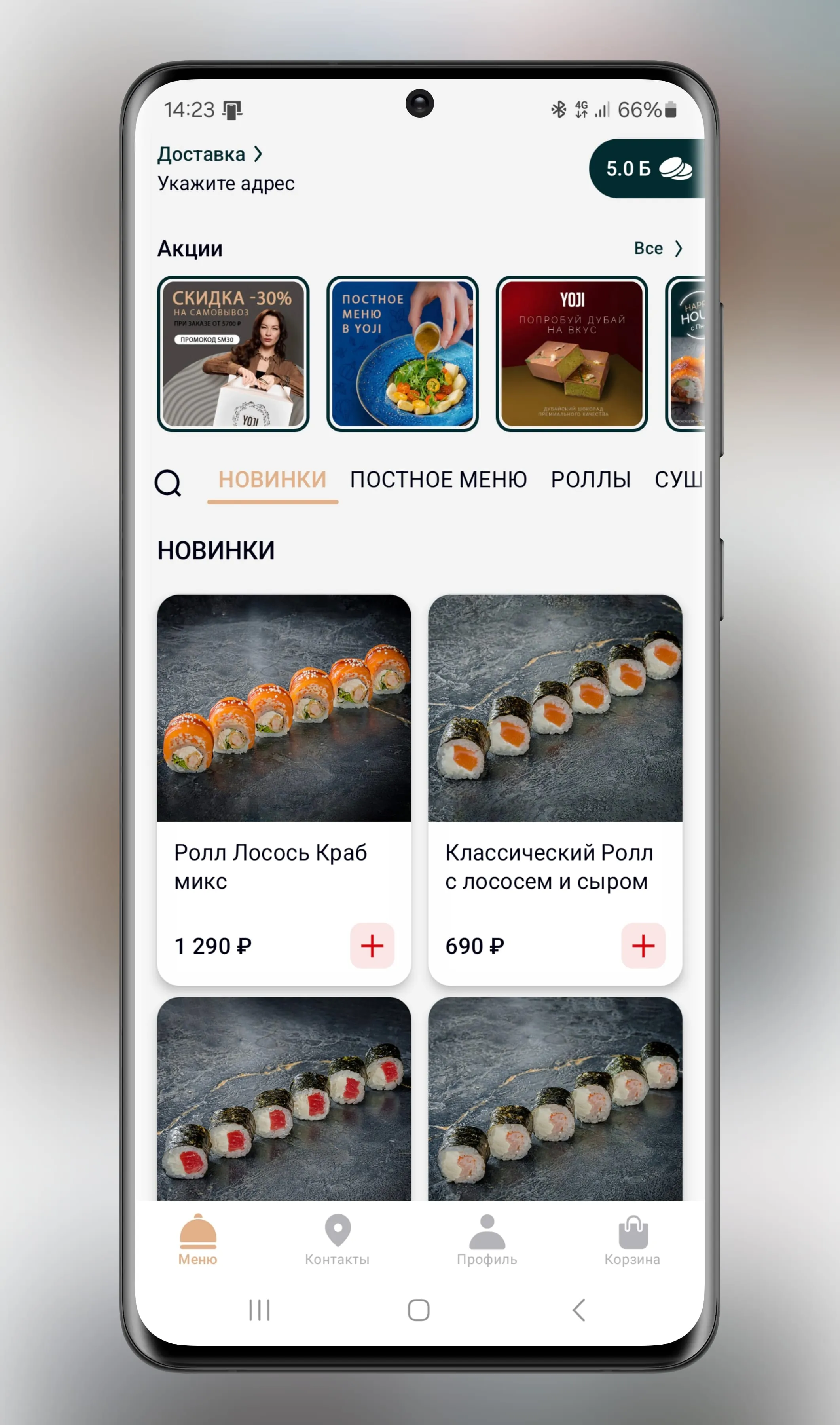
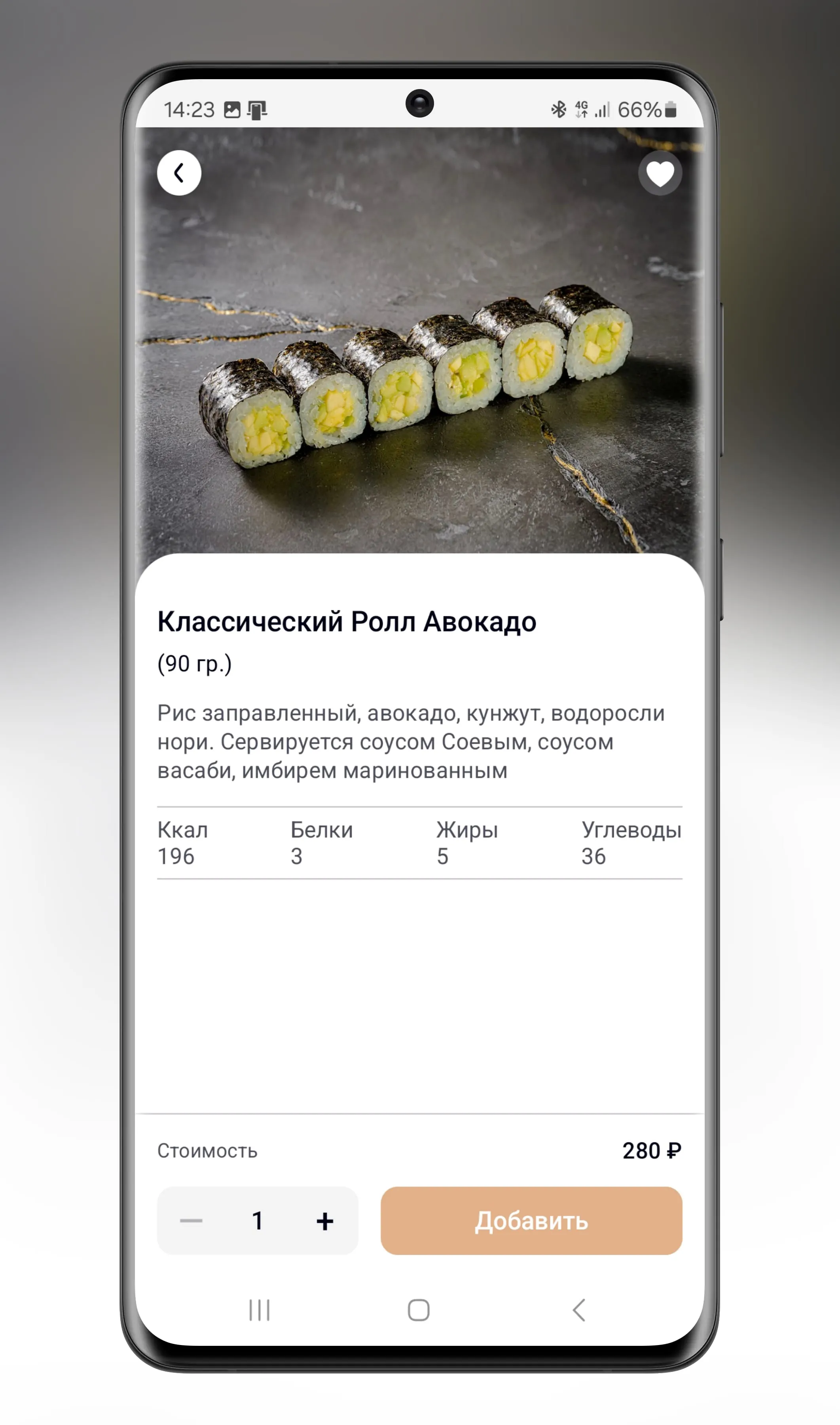
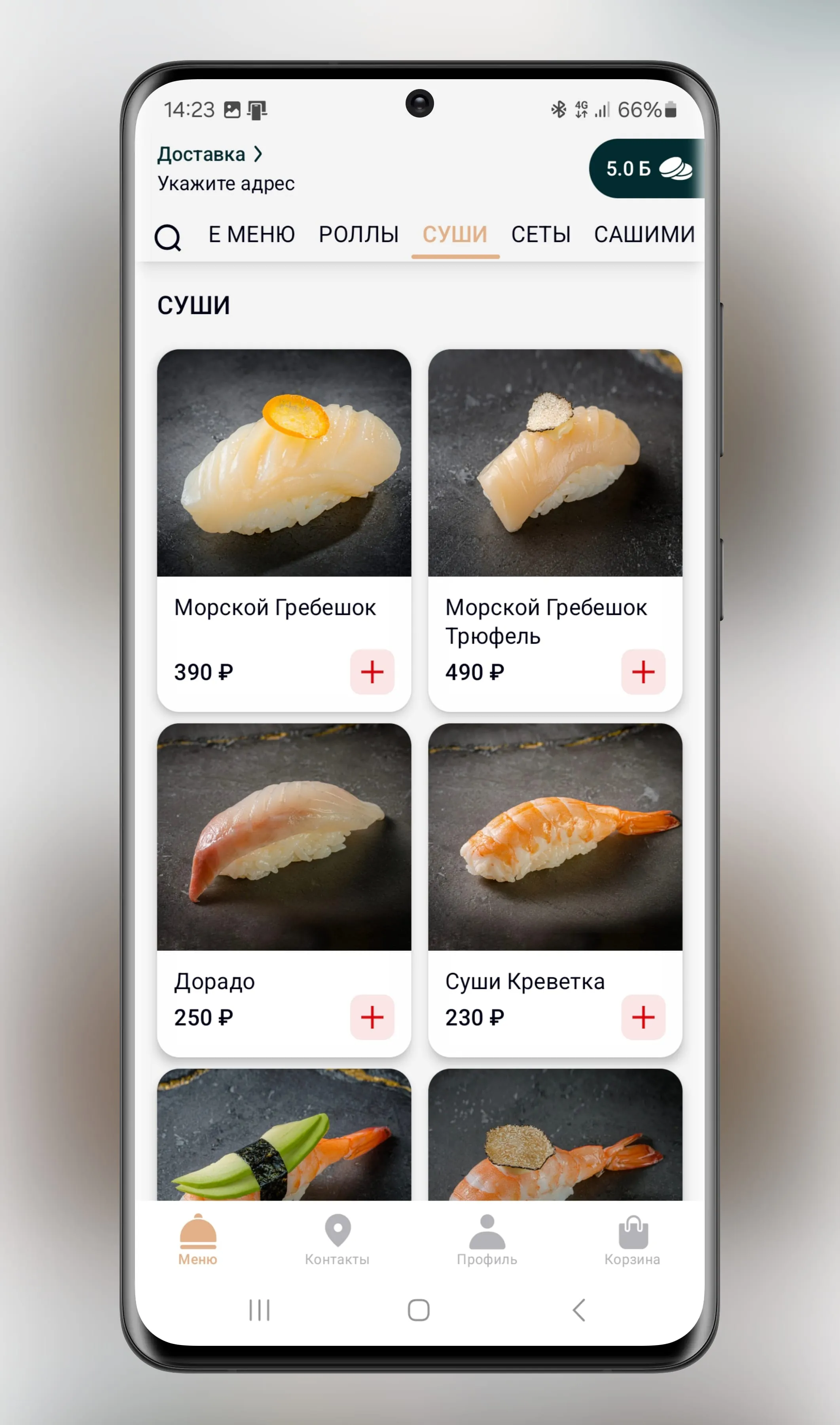
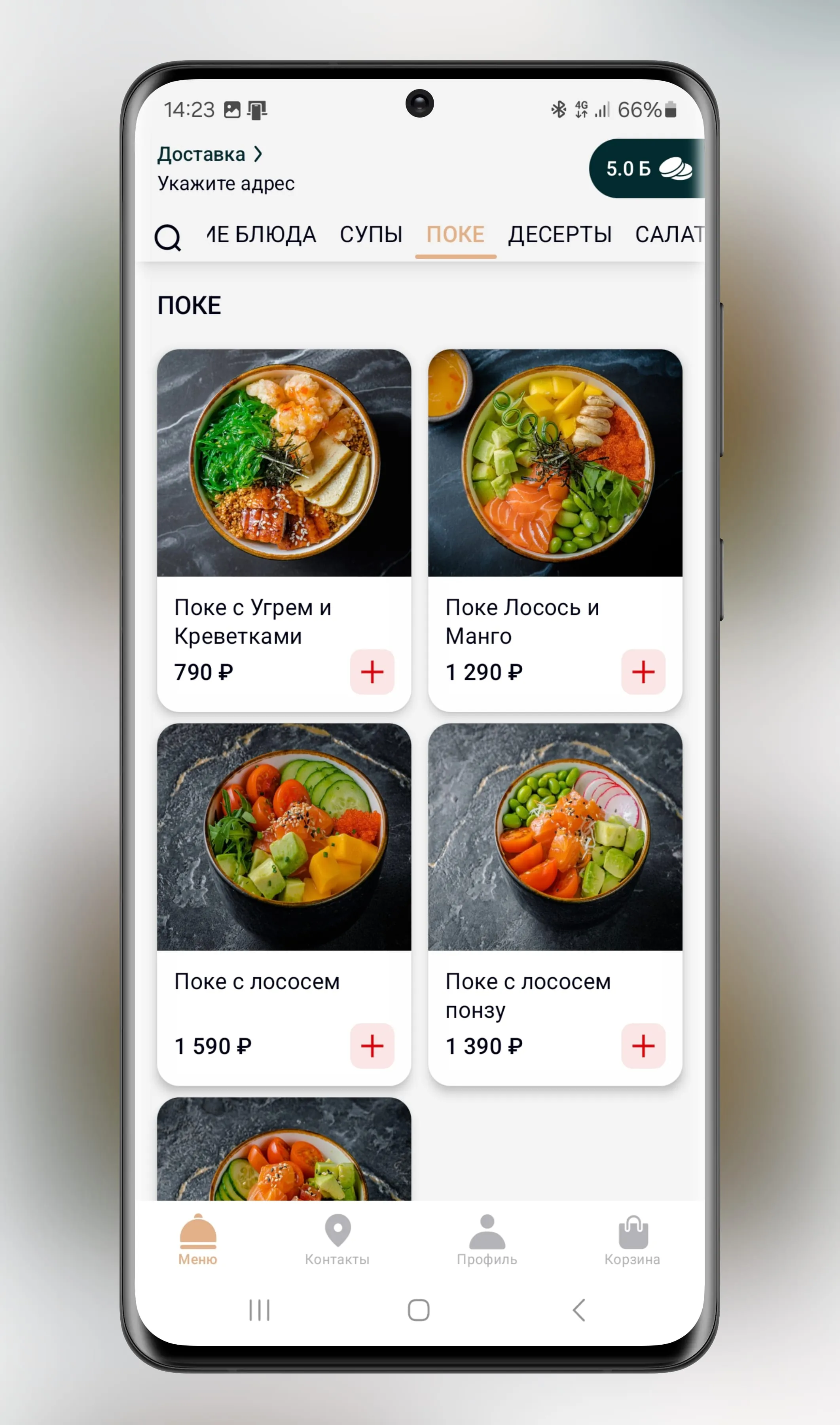
 Download
 Additional Information
Category
Food & DrinkVersion
Unknown
Tag
sushi | food delivery | Japanese cuisine | Oysters | YOJI restaurant
Rate
0.00
★★★★★
Reviews
500 +
Installs
10k +
Developer
Yoji Sushi
Content Rating
Everyone
Japanese food delivery
ADVERTISEMENT
ADVERTISEMENT
Previous Versions
ZIP files require a Split APKs Installer (e.g., SAI) from Google Play to install. Steps: 1. Download SAI from Google Play; 2. Open SAI and tap "Install APKs"; 3. Select the ZIP file; 4. Complete installation.
ADVERTISEMENT
You Might Like