


ADVERTISEMENT
ADVERTISEMENT

VendPay VendPay
Category
ShoppingTag
Mobile App | User Experience | Mobile Payments | Vending machines | Digital transactions
Rate
0.00
★★★★★
Reviews
500 +
Installs
5k +
Developer
VendPay
Content Rating
Everyone
Application for make payment to vend machines
 APK
APK  Google Play
  iOS
iOS  0.00
0.00ADVERTISEMENT
ADVERTISEMENT
Author's Review
appspicked Review
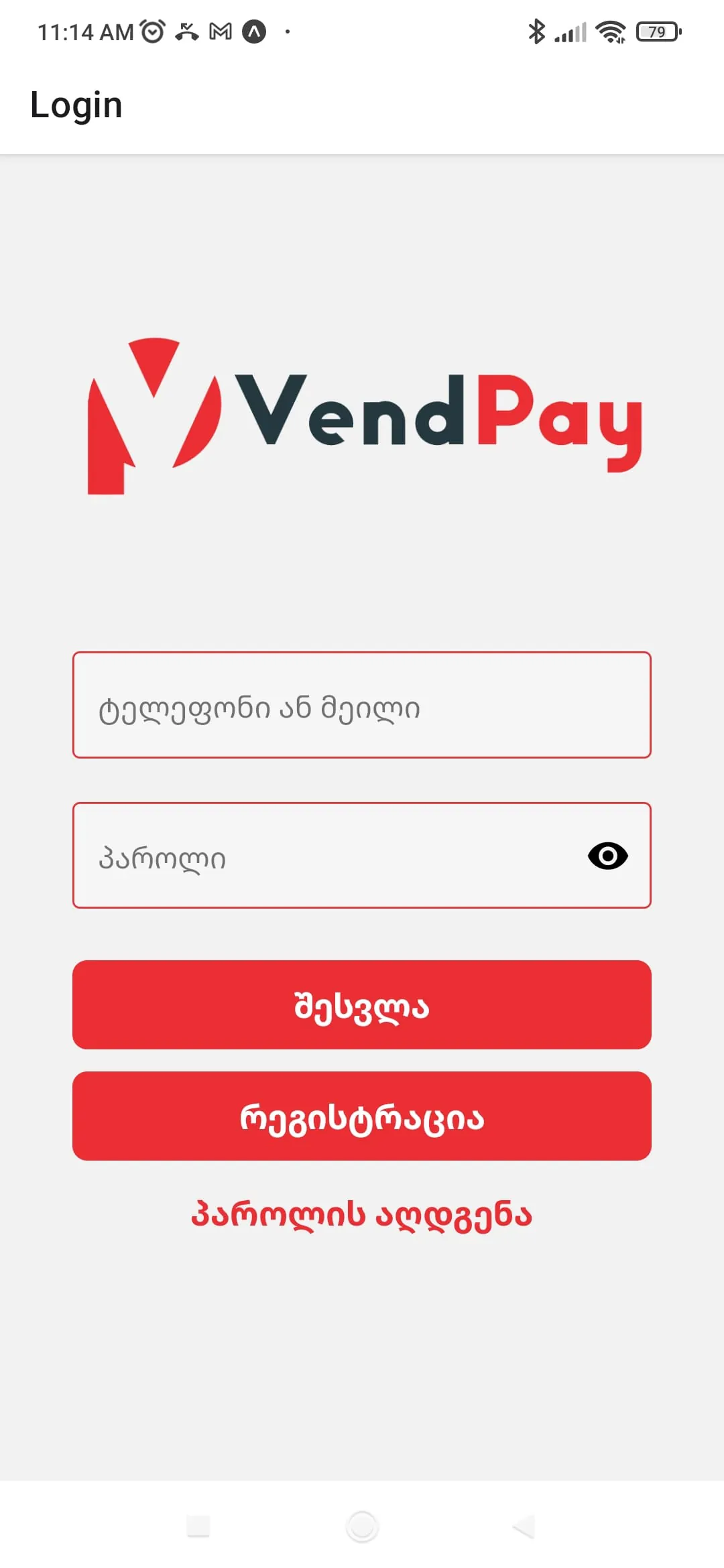
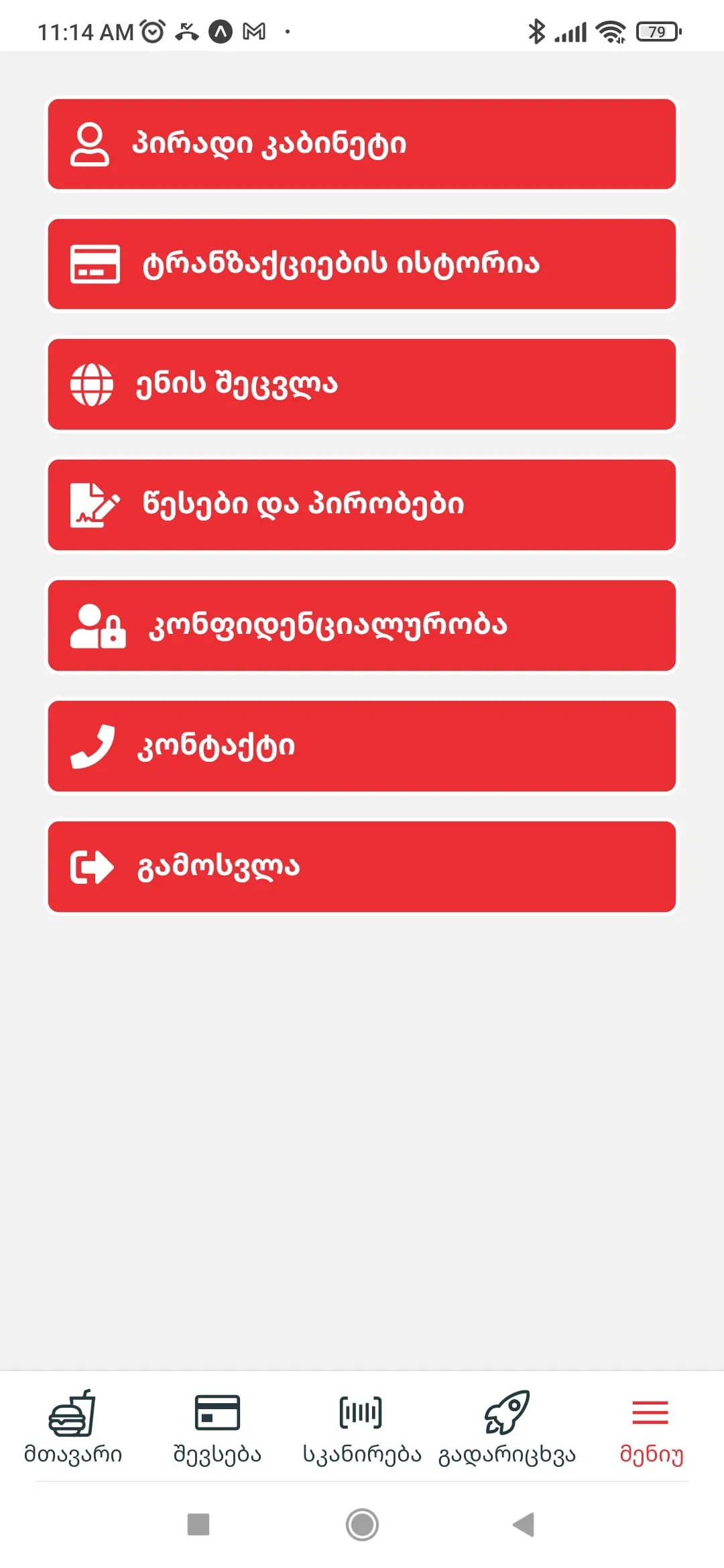
This application introduces a novel method for interacting with vending machines, enabling users to make payments and initiate vending processes directly from their smartphones. This represents a significant shift from traditional vending machine interactions, which typically involve cash, coins, or physical cards. By leveraging mobile technology, the application offers a more convenient, efficient, and potentially secure way to access products from vending machines. The core functionality revolves around the ability to execute vending machine transactions remotely via a mobile device, eliminating the need for physical currency or cards. This innovative approach not only simplifies the user experience but also opens up new possibilities for vending machine operators to track sales, manage inventory, and implement loyalty programs. The integration of mobile payment systems streamlines the transaction process, making it faster and more accessible for a wider range of users. Furthermore, the application can potentially incorporate features such as location-based vending machine discovery, personalized product recommendations, and digital receipts, enhancing the overall user experience. The emphasis on mobile accessibility underscores a broader trend towards digital integration in everyday activities, transforming mundane tasks like purchasing snacks or beverages into seamless digital interactions. The security aspects of the application are also paramount, requiring robust authentication and encryption mechanisms to protect user payment information and prevent fraudulent activities. This involves adhering to industry-standard security protocols and implementing multi-factor authentication to ensure that only authorized users can access and utilize the vending machine payment system. Moreover, the application can leverage data analytics to gain insights into user preferences and consumption patterns, enabling vending machine operators to optimize their product offerings and improve customer satisfaction. The potential for customization and personalization is a key differentiator, allowing users to tailor their vending machine experience to their specific needs and preferences. This includes features such as saving preferred payment methods, setting up recurring purchases, and receiving notifications about new products or promotions. The application's ease of use and intuitive interface are critical for driving adoption and ensuring a positive user experience. This involves designing a user-friendly navigation system, providing clear instructions, and minimizing the number of steps required to complete a transaction. The integration with various mobile payment platforms, such as Apple Pay, Google Pay, and Samsung Pay, is essential for providing users with a wide range of payment options. This also simplifies the payment process and reduces the reliance on physical cards or cash. The application's ability to track purchase history and provide digital receipts enhances transparency and accountability, allowing users to easily monitor their spending and manage their expenses. The potential for loyalty programs and rewards systems further incentivizes users to utilize the application, creating a positive feedback loop and fostering customer loyalty. The application's scalability and reliability are crucial for ensuring a seamless user experience, especially during peak demand periods. This involves optimizing the application's performance and infrastructure to handle a large volume of transactions without compromising speed or stability. The integration with vending machine management systems enables operators to remotely monitor machine status, track inventory levels, and schedule maintenance, improving operational efficiency and reducing downtime. The application's ability to provide real-time feedback and support to users enhances customer satisfaction and builds trust. This includes features such as live chat, FAQs, and troubleshooting guides. The application's commitment to data privacy and security is paramount, requiring adherence to strict data protection regulations and the implementation of robust security measures to safeguard user information. The potential for integration with other mobile applications and services, such as location-based services and social media platforms, further enhances the application's functionality and value proposition. The application's ability to provide a convenient, secure, and personalized vending machine experience positions it as a leader in the evolving landscape of mobile commerce.
The development and deployment of this phone-based vending machine payment application require careful consideration of several key factors, including user interface design, payment gateway integration, security protocols, and vending machine compatibility. The user interface must be intuitive and easy to navigate, providing a seamless and enjoyable experience for users of all technical skill levels. This involves conducting thorough user testing and incorporating feedback to ensure that the application meets the needs and expectations of its target audience. The integration with various payment gateways, such as Stripe, PayPal, and Braintree, is essential for providing users with a wide range of payment options and ensuring secure and reliable transaction processing. This requires adhering to industry-standard security protocols and implementing robust fraud prevention measures. The security of the application is paramount, as it handles sensitive payment information and must be protected from unauthorized access and cyber threats. This involves implementing multi-factor authentication, encrypting data in transit and at rest, and regularly conducting security audits to identify and address potential vulnerabilities. The compatibility of the application with different types of vending machines is crucial for ensuring widespread adoption and usability. This requires working closely with vending machine manufacturers to develop standardized interfaces and protocols. The application's ability to track sales data and generate reports provides valuable insights for vending machine operators, enabling them to optimize their product offerings and improve their business performance. This involves implementing robust data analytics and reporting tools. The application's integration with inventory management systems allows vending machine operators to monitor stock levels and replenish products in a timely manner, minimizing downtime and maximizing sales. This requires developing seamless integration with existing inventory management systems. The application's ability to provide real-time alerts and notifications to vending machine operators about machine malfunctions or low stock levels enables them to respond quickly and prevent disruptions to service. This involves implementing robust monitoring and alerting systems. The application's support for multiple languages and currencies makes it accessible to a global audience, expanding its potential market reach. This requires implementing localization and internationalization features. The application's ability to integrate with loyalty programs and reward systems incentivizes users to make repeat purchases and fosters customer loyalty. This involves developing seamless integration with existing loyalty program platforms. The application's compliance with relevant regulations and standards, such as PCI DSS and GDPR, is essential for ensuring data privacy and security and maintaining user trust. This requires adhering to strict compliance requirements and implementing appropriate security measures. The application's continuous improvement and evolution are crucial for staying ahead of the competition and meeting the changing needs of users. This involves regularly releasing updates and new features based on user feedback and market trends. The application's marketing and promotion efforts are essential for driving adoption and increasing awareness among potential users. This involves developing a comprehensive marketing strategy and utilizing various marketing channels, such as social media, online advertising, and public relations. The application's customer support and service are crucial for ensuring user satisfaction and building long-term relationships. This involves providing timely and effective support through various channels, such as email, phone, and online chat. The application's overall value proposition and competitive advantages must be clearly communicated to potential users to differentiate it from other vending machine payment solutions. This involves highlighting the application's unique features and benefits, such as its convenience, security, and personalization capabilities. The application's long-term sustainability and profitability depend on its ability to generate revenue and maintain a loyal user base. This requires developing a sustainable business model and continuously innovating to meet the evolving needs of the market.
The implications of enabling phone-based payments for vending machines extend beyond mere convenience; it signifies a fundamental shift in consumer behavior and the future of automated retail. This technological advancement not only streamlines the purchasing process but also unlocks a wealth of data and insights that can be leveraged to optimize vending machine operations and enhance the overall customer experience. The ability to track purchase history, monitor inventory levels, and analyze user preferences in real-time allows vending machine operators to make data-driven decisions about product selection, pricing strategies, and machine placement. This level of granular control and visibility was previously unattainable with traditional cash-based vending systems. Furthermore, the integration of mobile payment platforms opens up new avenues for targeted marketing and personalized promotions. Vending machine operators can leverage location-based services to send customized offers to nearby users, incentivizing them to make a purchase. They can also utilize data analytics to identify user segments with specific preferences and tailor product offerings accordingly. This level of personalization can significantly increase sales and customer loyalty. The security aspects of mobile vending machine payments are also crucial. Robust authentication and encryption mechanisms are essential to protect user payment information and prevent fraudulent activities. Mobile payment platforms like Apple Pay, Google Pay, and Samsung Pay employ advanced security technologies, such as tokenization and biometric authentication, to ensure the safety and integrity of transactions. These technologies replace sensitive payment data with unique tokens, making it virtually impossible for hackers to steal or misuse credit card information. The environmental impact of mobile vending machine payments is also worth considering. By reducing the reliance on cash and coins, this technology can help to minimize the environmental footprint of vending machine operations. The production and transportation of physical currency consume significant resources and contribute to carbon emissions. Mobile payments eliminate the need for these resources, promoting a more sustainable and environmentally friendly approach. The social implications of mobile vending machine payments are also noteworthy. This technology can improve accessibility for individuals who may not have access to traditional banking services or credit cards. Mobile payment platforms are increasingly popular among underserved populations, providing them with a convenient and secure way to make purchases. Additionally, mobile vending machine payments can reduce the risk of theft and vandalism, as there is no cash on site. This can make vending machines a safer and more attractive option for businesses and consumers alike. The future of vending machines is likely to be shaped by further advancements in mobile technology and artificial intelligence. Imagine vending machines that can recognize individual users, anticipate their needs, and offer personalized recommendations. Imagine vending machines that can learn from past purchases and optimize their product offerings in real-time. These scenarios are not far-fetched; they are already being explored by leading technology companies and vending machine manufacturers. The convergence of mobile technology, artificial intelligence, and automated retail is creating a new era of vending machine innovation, one that promises to transform the way we interact with these ubiquitous machines and the products they dispense. The evolution of vending machines from simple mechanical devices to sophisticated digital platforms is a testament to the power of technology to improve our lives and create new opportunities for businesses and consumers alike.
Screenshots


 Download
 Additional Information
Category
ShoppingVersion
Unknown
Tag
Mobile App | User Experience | Mobile Payments | Vending machines | Digital transactions
Rate
0.00
★★★★★
Reviews
500 +
Installs
5k +
Developer
VendPay
Content Rating
Everyone
Application for make payment to vend machines
ADVERTISEMENT
ADVERTISEMENT
Previous Versions
ZIP files require a Split APKs Installer (e.g., SAI) from Google Play to install. Steps: 1. Download SAI from Google Play; 2. Open SAI and tap "Install APKs"; 3. Select the ZIP file; 4. Complete installation.
ADVERTISEMENT
You Might Like