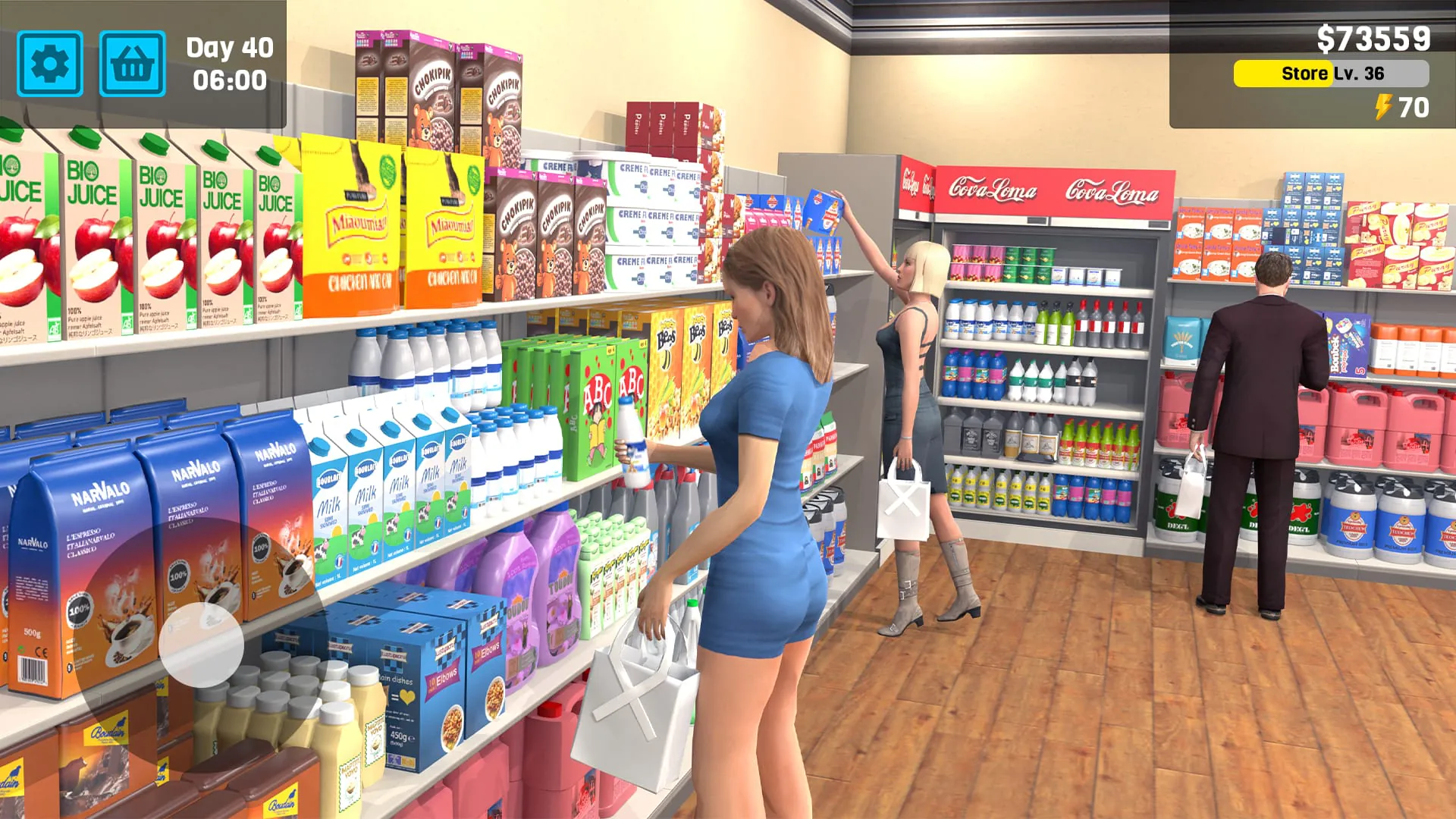
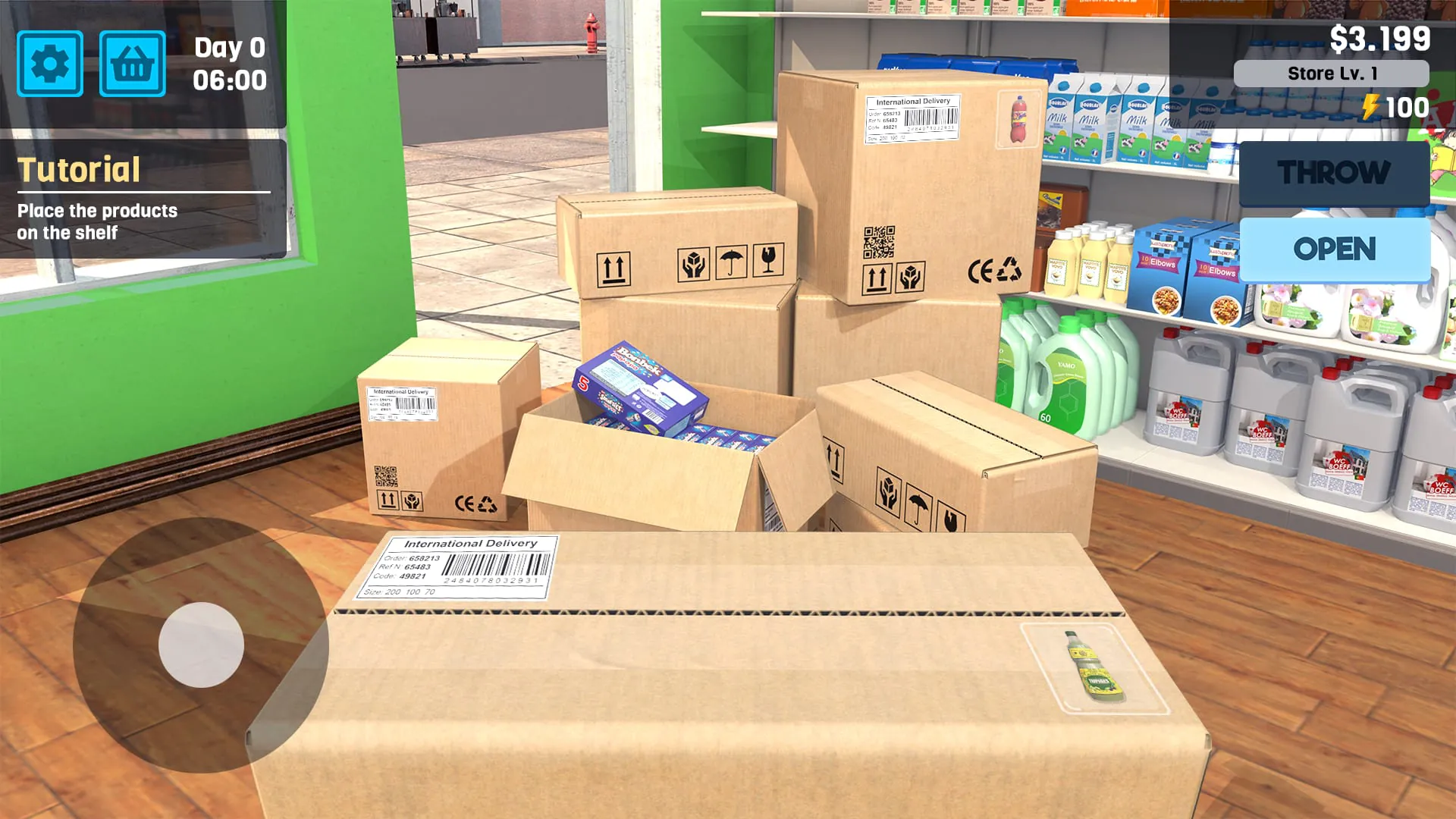
Supermarket Simulator Store 3D is presented as an engaging shop management game that immerses players in the intricacies of grocery store operations, challenging them to transform a modest grocery shop into a thriving and popular supermarket. The core gameplay revolves around multifaceted retail management tasks, encompassing shelf arrangement, price setting, transaction handling, staff recruitment, and strategic business expansion. Players are tasked with navigating a series of dynamic challenges, including the integration of online sales platforms, the implementation of robust security measures to mitigate theft and maintain a safe shopping environment, and the ability to adapt to the ever-evolving landscape of local competition. Success in Supermarket Simulator Store 3D hinges on the player's ability to formulate and execute effective promotional strategies, coupled with the acumen to set competitive pricing models that stimulate rapid goods turnover. Furthermore, the game emphasizes the practical aspects of financial management, requiring players to adeptly handle both cash and card payments while maintaining a vigilant watch for potential shoplifters. The game mechanics also extend to the logistical aspects of inventory management, where players must strategically order stock, efficiently unpack deliveries, and meticulously stock shelves, refrigerators, and freezers to ensure a consistent supply of goods for their customers. The overarching objective is to cultivate a retail empire by reinvesting profits wisely, expanding the store's physical footprint, and enhancing its interior aesthetics to create a more appealing and customer-friendly shopping experience. The simulator challenges players to strike a delicate balance between maximizing profitability and ensuring customer satisfaction, thereby replicating the real-world complexities of running a successful supermarket. The game also incorporates elements of free market dynamics, requiring players to make informed decisions on purchasing and pricing strategies to navigate the fluctuations of the market environment. This necessitates a deep understanding of supply and demand, as well as the ability to anticipate and respond to shifts in consumer preferences. Ultimately, Supermarket Simulator Store 3D aims to provide a comprehensive and realistic simulation of the retail management experience, where the player's choices directly influence the store's success and sustainability. The game is designed to appeal to players who enjoy strategic decision-making, financial planning, and the challenges of building and managing a business from the ground up. The attention to detail in the game's mechanics and the breadth of tasks involved in running a supermarket create a compelling and immersive gameplay experience. The game allows players to express their creativity in store design and layout, as well as their business acumen in pricing and marketing. This combination of creative and strategic elements makes Supermarket Simulator Store 3D a unique and engaging simulation game that offers hours of entertainment and learning opportunities. By mastering the various aspects of retail management, players can develop a deeper understanding of the challenges and rewards of running a successful supermarket business. The game also promotes problem-solving skills, as players must constantly adapt to changing market conditions and customer demands. The overall goal is to create a thriving retail empire that is both profitable and customer-friendly. The game is a valuable tool for anyone interested in learning more about the retail industry. The comprehensive simulation of supermarket operations provides a realistic and engaging way to understand the complexities of this business. The game also encourages players to think strategically and make informed decisions, which are essential skills for success in any business. Supermarket Simulator Store 3D is a fun and educational game that offers a unique and immersive experience. The game is designed to appeal to players of all ages and skill levels. The intuitive interface and the detailed tutorials make it easy to learn the basics of the game. The challenging gameplay and the ever-changing market conditions keep players engaged and motivated to improve their skills. The game is a great way to learn about the retail industry and to develop valuable business skills.
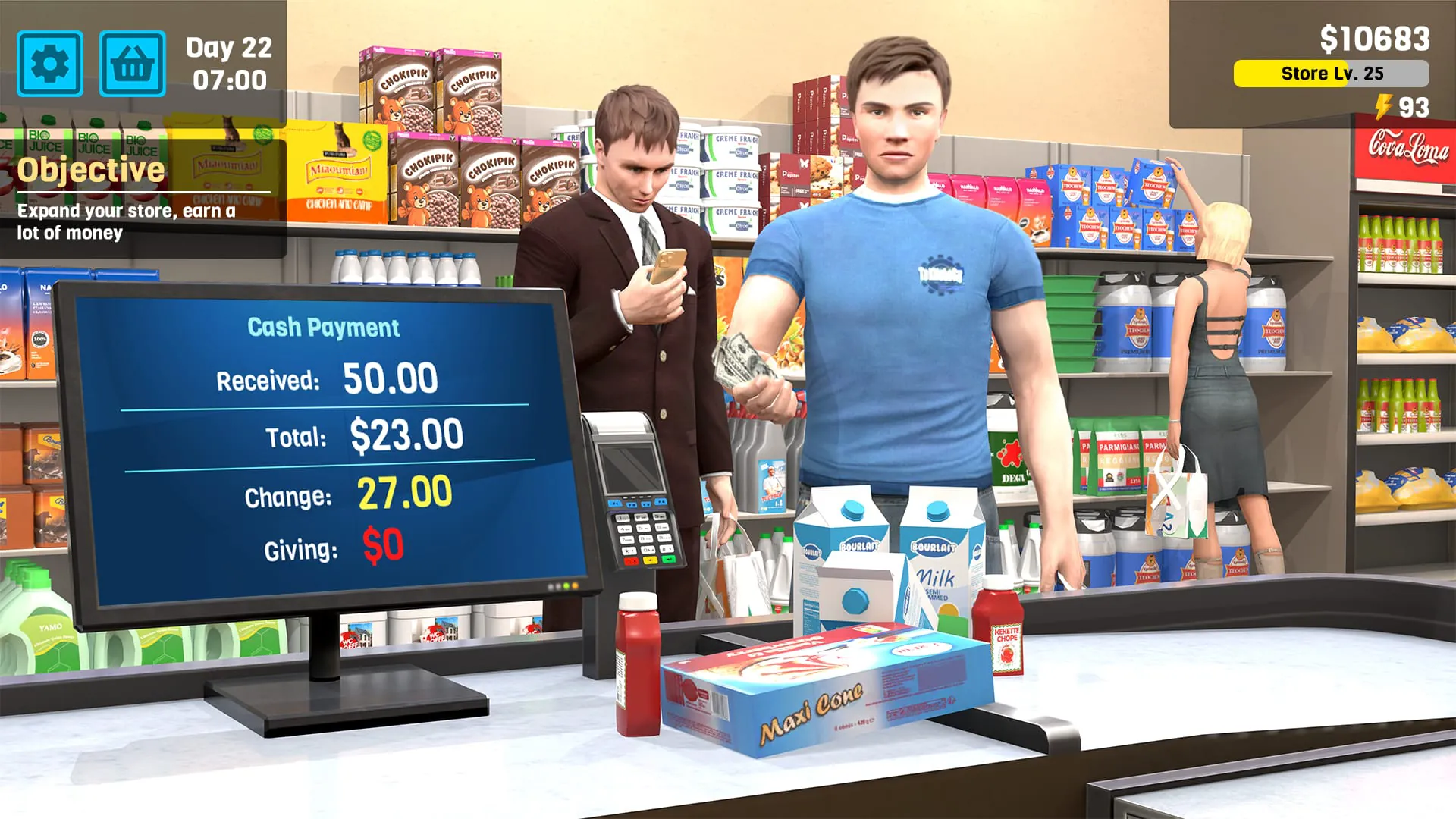
The game distinguishes itself through several key features that contribute to its realism and depth. First, the store management aspect allows players to fully customize their supermarket layout, optimizing it for both efficiency and aesthetic appeal. This involves strategically positioning products, organizing aisles to facilitate a seamless shopping journey, and creating an inviting atmosphere that encourages customers to browse and make purchases. The level of customization extends to the store's interior design, allowing players to express their creativity and create a unique brand identity. Second, the supply chain management system requires players to actively manage their inventory, utilizing an in-game system to order stock, unpack deliveries, and stock shelves, refrigerators, and freezers. This necessitates careful planning and forecasting to ensure that the store is always adequately stocked with the right products to meet customer demand. The game also incorporates realistic spoilage and expiration dates, adding another layer of complexity to the inventory management process. Third, the cashier simulation provides players with a hands-on experience of operating a checkout counter, scanning items, processing various payment methods, and ensuring customer satisfaction during the checkout process. This involves interacting with virtual customers, handling their inquiries and complaints, and resolving any issues that may arise. The cashier simulation also includes elements of security, as players must be vigilant for potential fraud and theft. Fourth, the free market element introduces a dynamic market environment where players must make informed decisions on purchasing and pricing strategies to balance profitability and customer needs. This requires a deep understanding of market trends, competitor pricing, and consumer demand. The game also incorporates random events that can impact the market, such as supply chain disruptions or sudden changes in consumer preferences. Fifth, the business growth aspect allows players to reinvest profits to expand their store's physical space, enhance its interior aesthetics, and stay responsive to the changing demands of the retail landscape. This involves making strategic investments in new equipment, hiring additional staff, and implementing marketing campaigns to attract new customers. The game also includes elements of competition, as players must compete with other virtual supermarkets for market share. The combination of these key features creates a comprehensive and immersive simulation of the retail management experience. The game challenges players to think strategically, make informed decisions, and adapt to changing market conditions. The level of detail and realism makes Supermarket Simulator Store 3D a unique and engaging game that offers hours of entertainment and learning opportunities. The game also provides a valuable tool for anyone interested in learning more about the retail industry.
In Supermarket Simulator, the consequences of player choices reverberate throughout the game, shaping the ultimate outcome of their retail venture. The central question posed is whether the player possesses the acumen and strategic foresight to transform a modest store into a thriving retail empire, all while simultaneously managing customer satisfaction and maintaining financial stability. This necessitates a multifaceted approach, encompassing not only the operational aspects of running a supermarket but also the broader strategic considerations of market positioning, competitive analysis, and long-term growth. The game challenges players to make difficult decisions under pressure, balancing the need to maximize profits with the importance of providing a positive shopping experience for their customers. For example, players must decide whether to lower prices to attract more customers, even if it means sacrificing profit margins. They must also decide whether to invest in new equipment or hire additional staff, even if it means taking on additional financial risk. The game also forces players to confront ethical dilemmas, such as whether to sell products that are nearing their expiration date or whether to turn a blind eye to shoplifting. The choices that players make in these situations will have a direct impact on their store's reputation and profitability. The success of a supermarket hinges not only on the efficient management of its internal operations but also on its ability to adapt to the external environment. The game simulates a dynamic market environment where players must constantly monitor consumer trends, respond to competitor actions, and anticipate potential disruptions to the supply chain. This requires a proactive approach to market research, competitive analysis, and risk management. The game also encourages players to experiment with different strategies and approaches, learning from their successes and failures. The overall goal is to develop a deep understanding of the retail industry and to master the skills necessary to succeed in this competitive environment. Supermarket Simulator is more than just a game; it is a virtual laboratory where players can test their business acumen and develop valuable skills that can be applied in the real world. The game provides a realistic and engaging simulation of the challenges and rewards of running a successful supermarket business. The game also encourages players to think critically, make informed decisions, and adapt to changing market conditions. The overall goal is to create a thriving retail empire that is both profitable and customer-friendly.





 APK
APK  Google Play
  iOS
iOS  4.30
4.30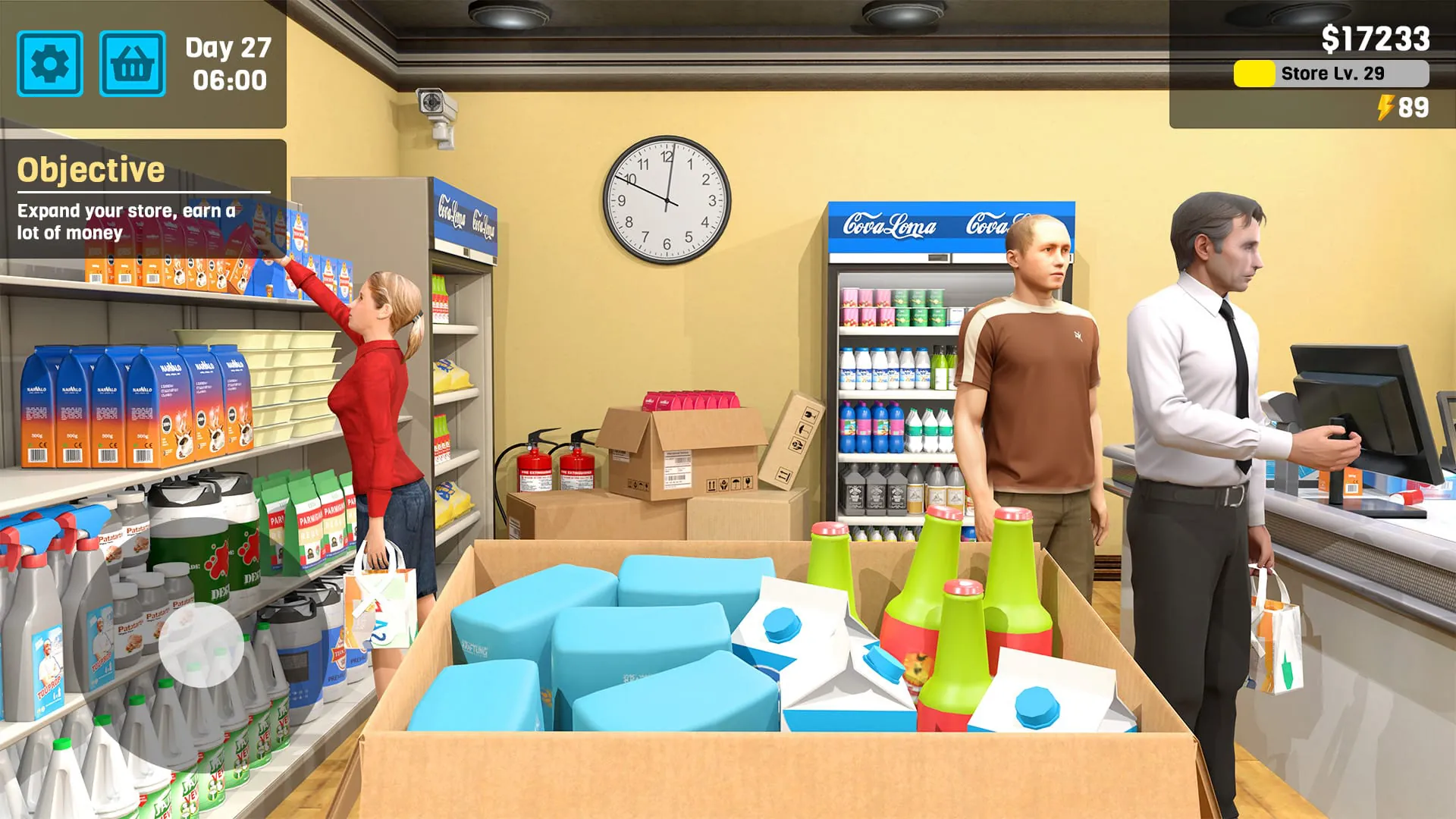
 Download