

ADVERTISEMENT
ADVERTISEMENT

Prank Video Call Prank Video Call
Category
LifestyleTag
Entertainment | Prank Video Call | Fake Chat | Prank App | Fake Video
Rate
4.20
★★★★★
Reviews
500 +
Installs
10M +
Developer
kiwilab
Content Rating
Everyone
Prank your friends with Prank Video Call - Fake Chat
 APK
APK  Google Play
  iOS
iOS  4.20
4.20ADVERTISEMENT
ADVERTISEMENT
Author's Review
appspicked Review
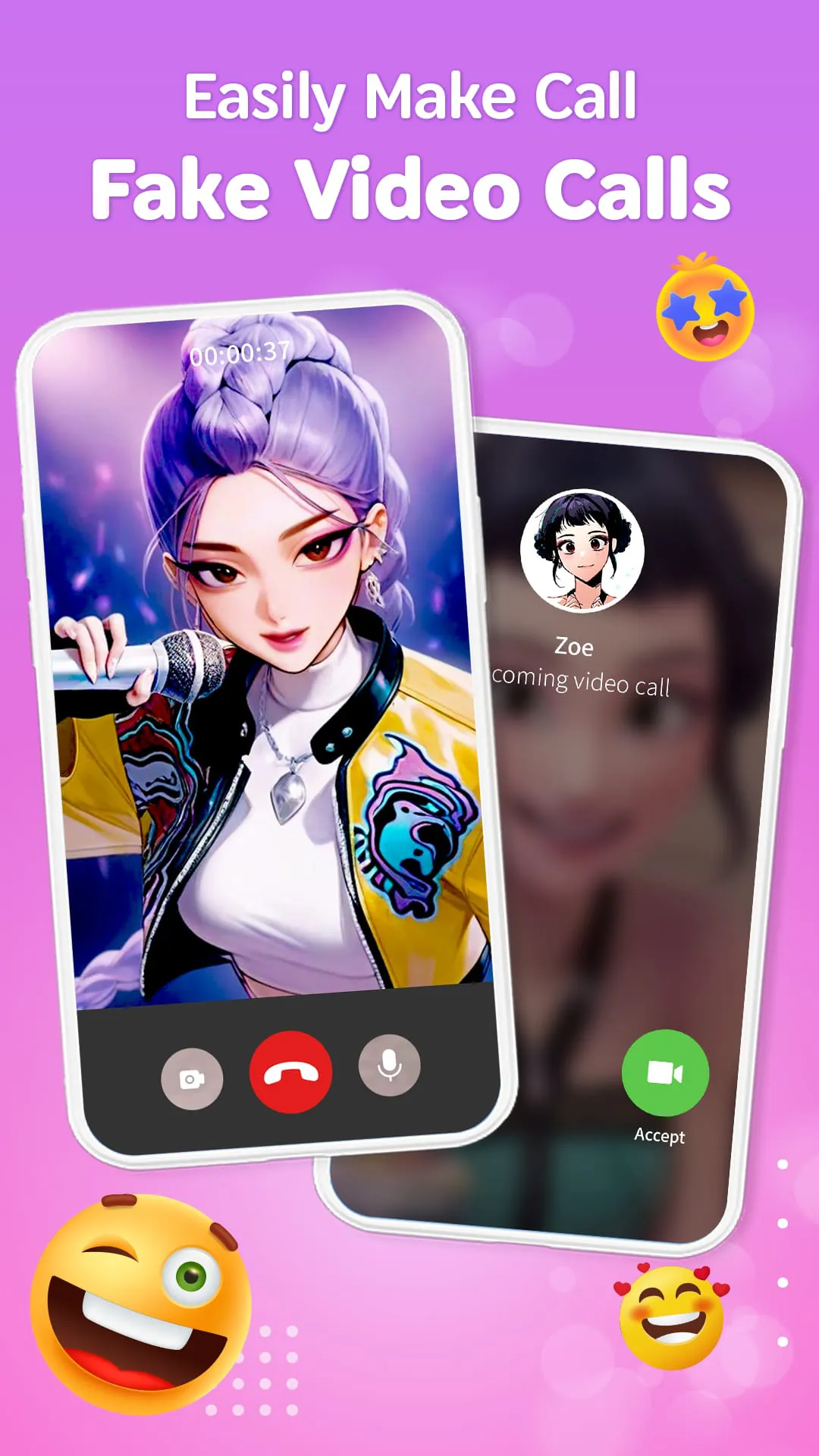
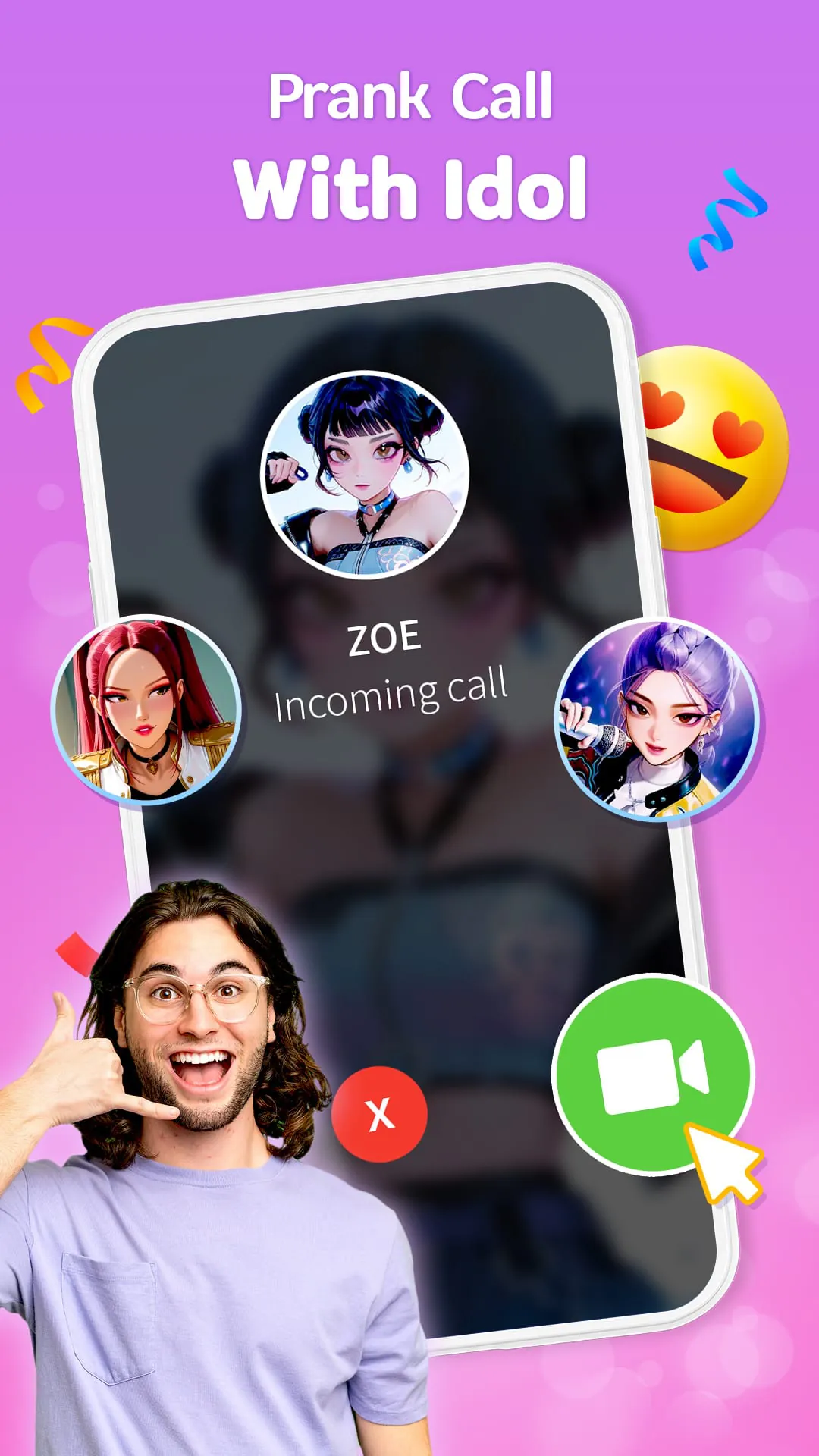
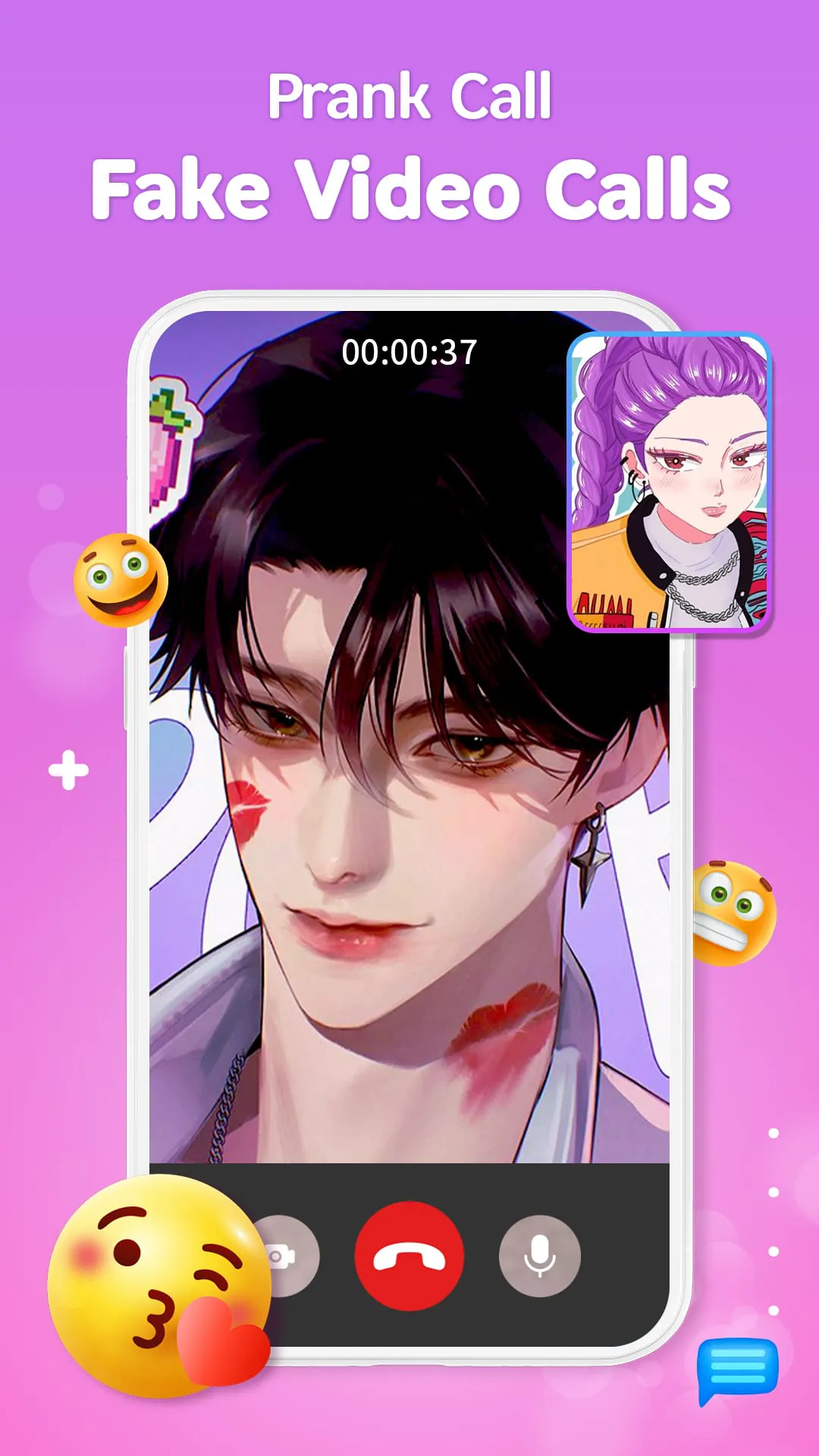
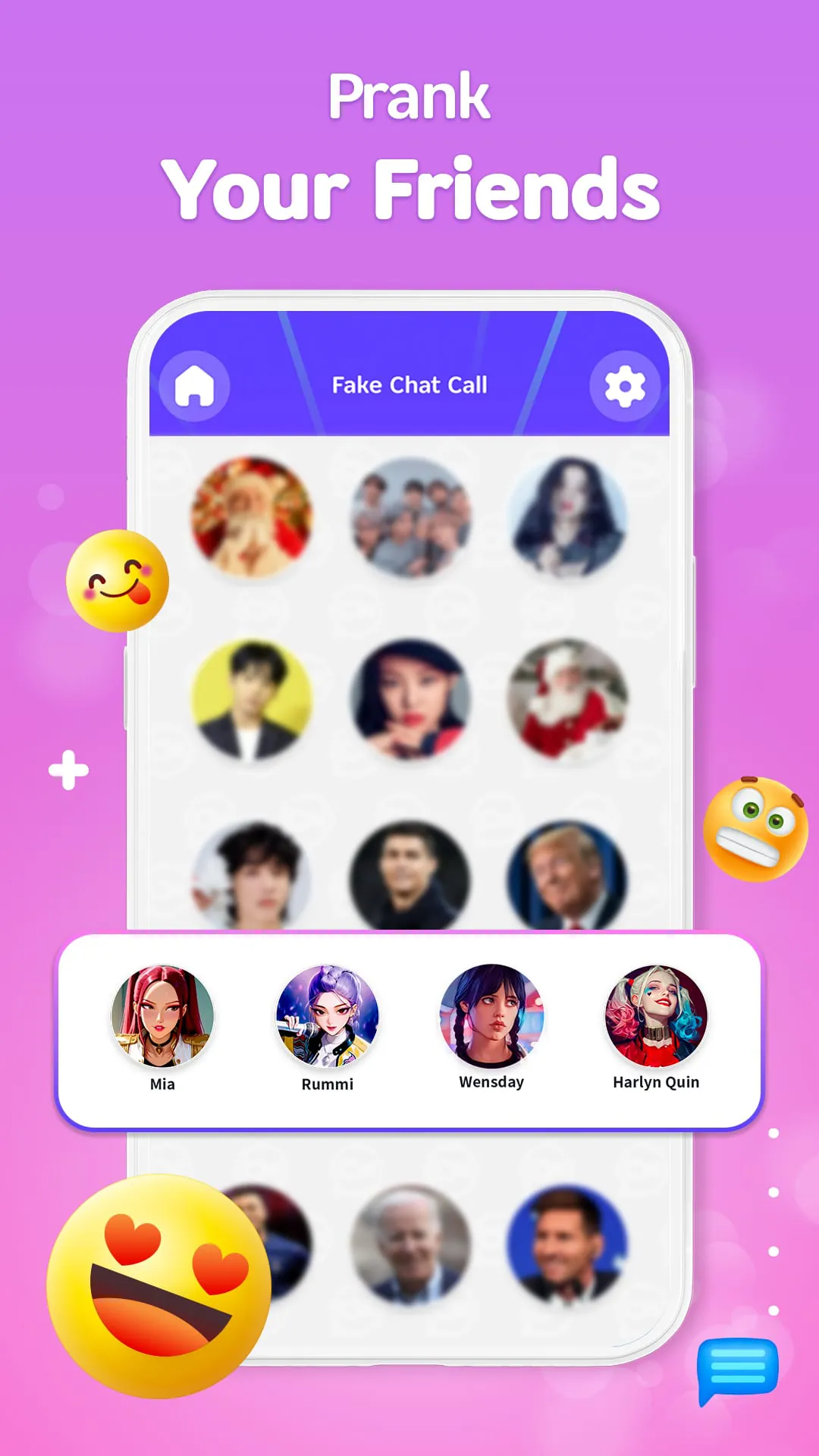
Prank Video Call - Fake Chat is presented as a hilariously entertaining app designed to enable users to play pranks on their friends through fake video calls and fabricated chat conversations. The core concept revolves around creating believable scenarios that will fool unsuspecting individuals into thinking they are witnessing or participating in real interactions with celebrities, authority figures, or even fictional entities. The app's primary appeal lies in its ability to generate laughter and amusement by staging elaborate pranks that leverage the power of social media and digital communication. The app's functionality is built around two main features: fake calls and make-believe chats. The fake call feature allows users to simulate realistic video calls with pre-selected characters or customized personas. This involves creating a convincing visual and auditory experience that mimics an actual video call, complete with realistic ringtones, caller IDs, and simulated conversations. The make-believe chat feature, on the other hand, enables users to craft entire conversations with various entities, such as a "girlfriend," "police officer," "celebrity," or even a "pizza place." This feature allows for complete control over both sides of the conversation, ensuring maximum believability and comedic effect. The app's user-friendly interface is highlighted as a key advantage, enabling users to easily navigate the various features and create unique prank scenarios. The app is positioned as a versatile tool for various situations, from planning elaborate pranks to simply injecting humor into everyday interactions. It is presented as a perfect solution for those seeking a good laugh, a way to lighten the mood, or an opportunity to showcase their creative prankster skills. The app is not merely a tool but a "secret weapon in the art of prank-making," empowering users to create convincing and hilarious scenarios with just a few taps. The conclusion emphasizes the app's potential to elevate the user's "pranking game" and establish them as the "ultimate prankster." A call to action encourages readers to download the app and begin planning their next legendary prank, promising endless fun and amusement. The overall tone of the description is playful, enthusiastic, and persuasive, aiming to capture the reader's attention and entice them to download the app. The language used is informal and engaging, employing humor and exaggeration to create a sense of excitement and anticipation. The app is portrayed as a must-have tool for anyone who enjoys playing pranks and sharing laughter with friends. The description also subtly highlights the app's potential for social interaction and entertainment, positioning it as a way to connect with others and create memorable moments. The app's versatility is further emphasized by suggesting its use in various contexts, from casual gatherings to more elaborate prank setups. The focus is consistently on the user's experience and the potential for creating hilarious and engaging scenarios that will leave a lasting impression on their friends. The use of quotes and testimonials, even if fabricated, could further enhance the app's appeal and credibility, adding a layer of social proof to the claims made in the description. The description also effectively addresses potential concerns about the app's ethical implications by emphasizing its harmless and lighthearted nature. The focus is on creating laughter and amusement, rather than causing harm or distress. This subtle reassurance helps to alleviate any potential reservations that users may have about using the app to play pranks on their friends. Ultimately, the description aims to position Prank Video Call - Fake Chat as the ultimate tool for pranksters, offering a simple, effective, and entertaining way to create memorable and hilarious moments.
The app's value proposition extends beyond mere entertainment, offering a creative outlet for users to explore their comedic talents and develop their storytelling abilities. By crafting believable scenarios and designing witty conversations, users can hone their skills in improvisation, character development, and narrative construction. The app can also serve as a platform for social experimentation, allowing users to observe and analyze the reactions of their friends and family to various prank scenarios. This can provide valuable insights into human behavior, social dynamics, and the power of suggestion. Furthermore, the app can be used as a tool for stress relief and emotional release. Laughter is a known stress reliever, and engaging in playful pranks can provide a healthy and enjoyable way to cope with everyday challenges. The act of creating and executing a successful prank can also boost self-esteem and confidence, particularly when it elicits positive reactions from others. The app's potential applications extend beyond personal use, with possibilities for integration into educational settings and corporate training programs. In educational settings, the app can be used to teach students about media literacy, critical thinking, and the ethical considerations of online communication. By analyzing and deconstructing fake news and misinformation, students can develop a greater understanding of the importance of verifying information and discerning truth from falsehood. In corporate training programs, the app can be used to simulate real-world scenarios and provide employees with opportunities to practice their communication, problem-solving, and decision-making skills. For example, the app can be used to create realistic simulations of customer service interactions, sales negotiations, or crisis management situations. The app's adaptability and versatility make it a valuable tool for a wide range of applications, from entertainment and personal development to education and professional training. Its potential for fostering creativity, promoting social interaction, and enhancing emotional well-being should not be overlooked. As technology continues to evolve, the app's developers should explore new ways to enhance its features and expand its capabilities. This could include incorporating artificial intelligence to generate more realistic conversations, integrating augmented reality to create more immersive prank scenarios, or developing a platform for users to share and collaborate on prank ideas. The app's future success will depend on its ability to adapt to changing user needs and continue to provide a compelling and engaging experience. The developers should also prioritize user privacy and security, ensuring that the app is free from malware and that user data is protected from unauthorized access. By maintaining a strong commitment to quality, innovation, and ethical practices, the app can solidify its position as a leading provider of prank-related entertainment and educational resources.
The developers should also consider incorporating features that promote responsible prank-playing and discourage harmful or malicious behavior. This could include implementing a code of conduct that outlines acceptable uses of the app, providing users with tips on how to avoid causing offense or distress, and developing a reporting mechanism for users to flag inappropriate content or behavior. The app should also be designed to be accessible to users of all ages and abilities. This could involve providing options for adjusting the app's font size, color contrast, and audio volume, as well as incorporating assistive technologies such as screen readers and voice recognition software. By making the app more accessible, the developers can ensure that it is available to a wider audience and that everyone can enjoy its benefits. Furthermore, the developers should consider partnering with charities and non-profit organizations to promote positive social causes. This could involve donating a portion of the app's revenue to charity, sponsoring community events, or creating campaigns to raise awareness about important social issues. By aligning the app with a worthy cause, the developers can enhance its brand image and demonstrate their commitment to social responsibility. The app's marketing strategy should focus on highlighting its unique features and benefits, as well as its potential for creating positive social impact. This could involve creating engaging video content that showcases the app in action, developing partnerships with social media influencers, and running targeted advertising campaigns on relevant platforms. The marketing messages should emphasize the app's versatility, its potential for fostering creativity and social interaction, and its commitment to ethical practices. The developers should also actively engage with users on social media, responding to feedback, answering questions, and providing support. By building a strong community around the app, the developers can foster user loyalty and encourage word-of-mouth marketing. Ultimately, the success of Prank Video Call - Fake Chat will depend on its ability to provide a fun, engaging, and ethical experience that meets the needs of its users. By focusing on quality, innovation, and social responsibility, the developers can create a product that is both entertaining and meaningful, and that makes a positive contribution to society. The app has the potential to become a valuable tool for fostering creativity, promoting social interaction, and enhancing emotional well-being, and its future success will depend on the developers' ability to realize that potential.
Screenshots
 Download
 Additional Information
Category
LifestyleVersion
Unknown
Tag
Entertainment | Prank Video Call | Fake Chat | Prank App | Fake Video
Rate
4.20
★★★★★
Reviews
500 +
Installs
10M +
Developer
kiwilab
Content Rating
Everyone
Prank your friends with Prank Video Call - Fake Chat
ADVERTISEMENT
ADVERTISEMENT
Previous Versions
ZIP files require a Split APKs Installer (e.g., SAI) from Google Play to install. Steps: 1. Download SAI from Google Play; 2. Open SAI and tap "Install APKs"; 3. Select the ZIP file; 4. Complete installation.
ADVERTISEMENT
You Might Like