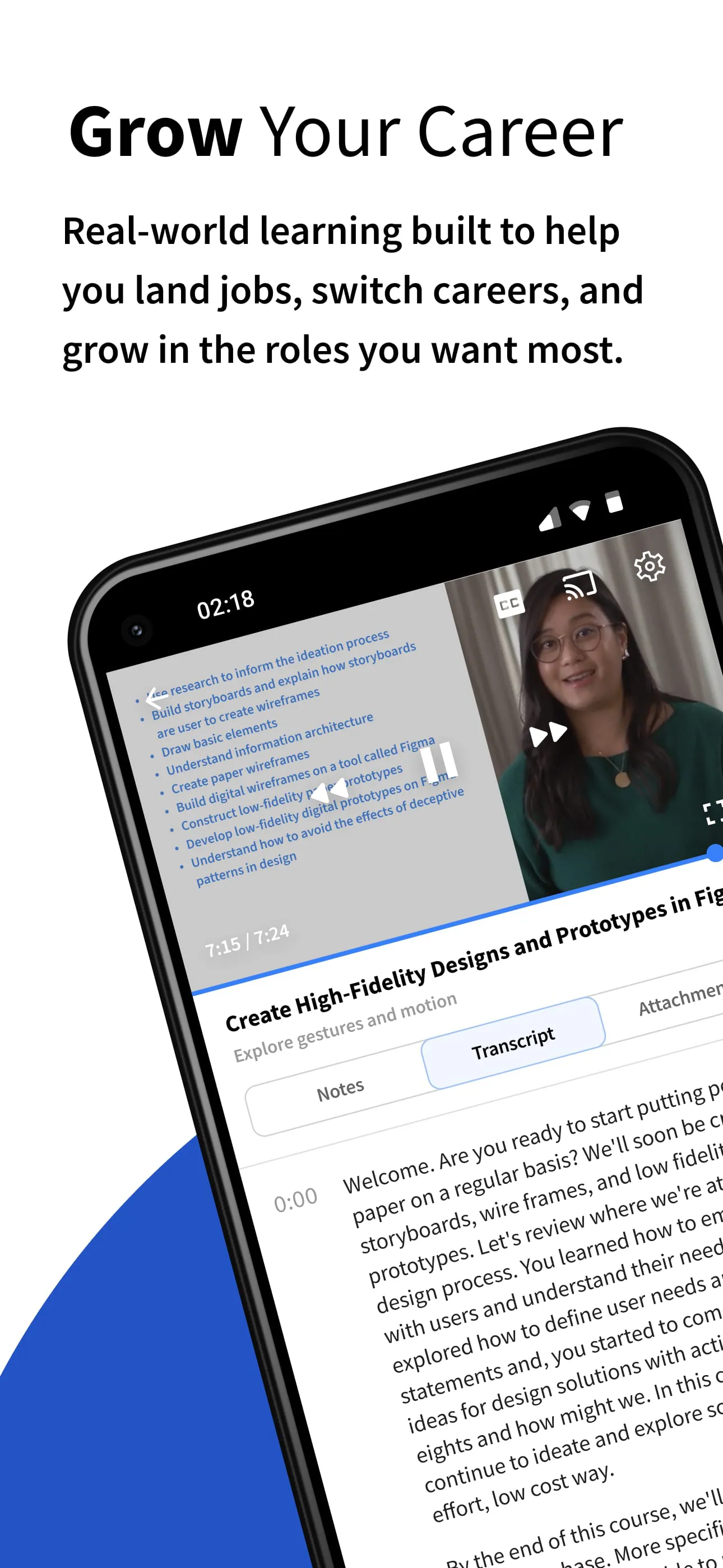
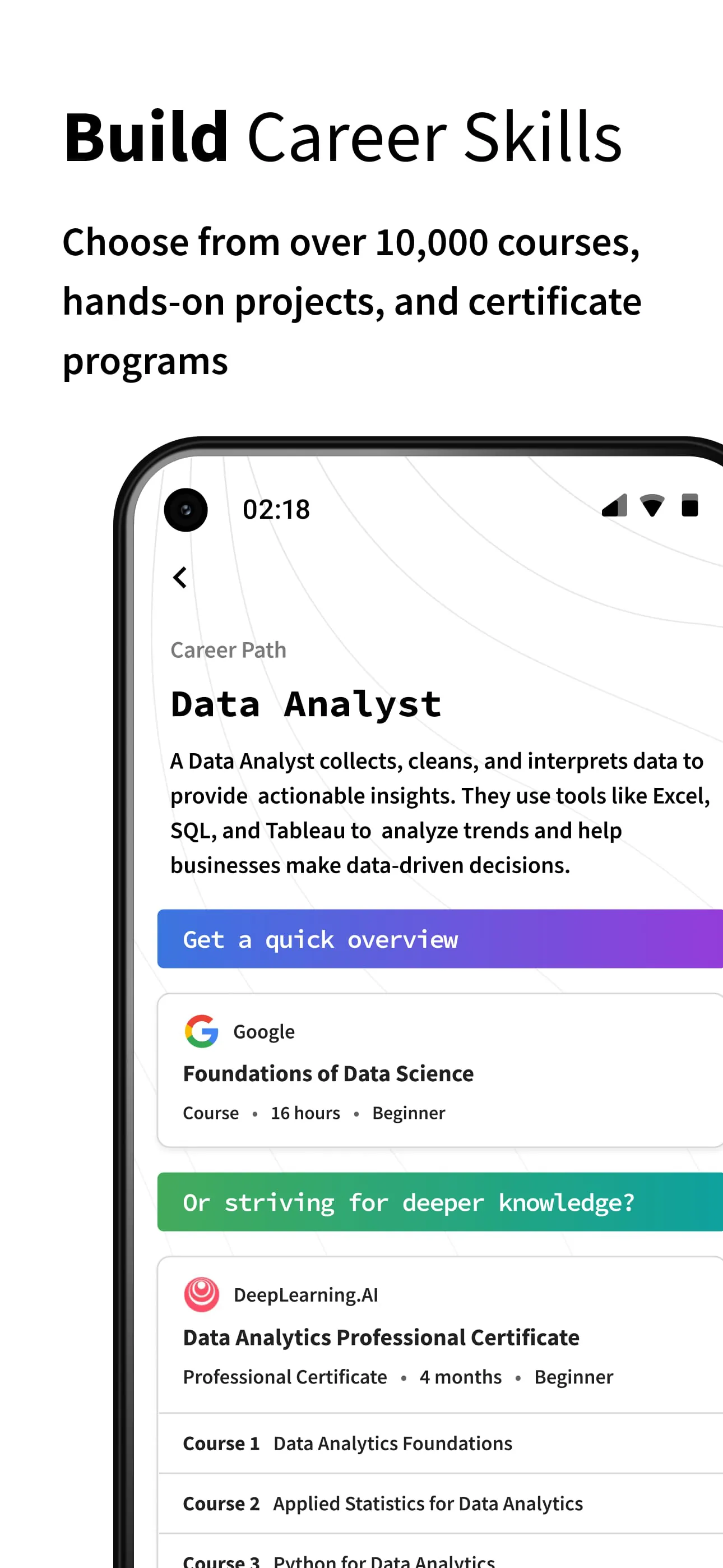
Coursera offers a unique platform for individuals seeking to enhance their professional skills and knowledge through courses designed by experts from leading companies and universities. The platform emphasizes the importance of acquiring job-relevant skills and industry-standard tools, which are essential for success in today's competitive job market. By engaging in hands-on projects, learners can apply theoretical knowledge in practical scenarios, thereby solidifying their understanding and preparing them for real-world challenges. The wide array of industry-tailored courses available on Coursera allows individuals to build a comprehensive knowledge base that aligns with their career aspirations. Whether one is looking to transition into a new field or advance in their current role, Coursera provides the resources necessary to achieve these goals.
One of the standout features of Coursera is its Professional Certificates, which are specifically designed to make learners job-ready for in-demand roles. These certificates cover various fields, including data science, IT, and business, allowing individuals to specialize in areas that are currently sought after in the job market. Additionally, Coursera offers Specializations that enable learners to master specific skills within a particular industry, further enhancing their employability. For those looking to pursue higher education, Coursera also provides access to bachelor’s and master’s degree programs, making it easier for individuals to advance their careers while balancing other commitments. This flexibility is crucial in today’s fast-paced world, where many professionals juggle work, family, and personal development.
The Coursera app enhances the learning experience by offering features that cater to the needs of modern learners. With flexible schedules and on-demand courses, users can learn at their own pace, fitting education into their busy lives. The ability to download videos for offline viewing ensures that learning can continue even without an internet connection, making it convenient for users on the go. The mobile-friendly design of the courses allows for effective learning across various devices, ensuring that coursework, quizzes, and projects are easily accessible. Furthermore, the inclusion of video subtitles in multiple languages broadens the platform's reach, making it inclusive for a diverse audience. Popular courses span various domains, including computer science, data science, business, and information technology, catering to a wide range of interests and career paths. Overall, Coursera stands out as a comprehensive educational platform that empowers individuals to grow their careers with confidence and develop the skills necessary to thrive in their chosen fields.
Analytics in the fields of social science and public health plays a crucial role in understanding complex societal issues and improving health outcomes. By leveraging data analytics, researchers and practitioners can identify trends, patterns, and correlations that inform policy decisions and public health interventions. Social science analytics often involves the examination of demographic data, behavioral patterns, and social determinants of health, which are essential for developing effective strategies to address health disparities and promote well-being in communities. The integration of quantitative and qualitative data allows for a comprehensive understanding of the factors influencing health behaviors and outcomes, enabling stakeholders to design targeted interventions that resonate with specific populations.
In public health, analytics is instrumental in monitoring disease outbreaks, evaluating the effectiveness of health programs, and assessing the impact of social policies on health. By utilizing statistical methods and data visualization techniques, public health officials can track the spread of diseases, identify at-risk populations, and allocate resources more efficiently. Furthermore, predictive analytics can forecast future health trends, allowing for proactive measures to be implemented before issues escalate. The use of big data in public health has transformed the way health information is collected and analyzed, leading to more informed decision-making and improved health services. As technology continues to advance, the potential for analytics to enhance public health initiatives grows, making it an essential component of modern health systems.
The collaboration between social scientists and public health professionals is vital for addressing the multifaceted challenges faced by communities today. By combining insights from both fields, stakeholders can develop holistic approaches to health promotion and disease prevention. For instance, understanding the social determinants of health, such as income, education, and access to healthcare, can inform public health strategies that target the root causes of health inequities. Additionally, community engagement and participatory research methods can empower individuals to take an active role in their health, fostering a sense of ownership and responsibility. As the landscape of public health continues to evolve, the integration of analytics from social science will be key to creating sustainable solutions that improve health outcomes for all populations.





 APK
APK  Google Play
  iOS
iOS  4.50
4.50