

ADVERTISEMENT
ADVERTISEMENT

Neat Clean Neat Clean
Category
ToolsTag
Neat Clean | Cache Removal | Empty File Sweep | Residual Package Removal | System Cleaning
Rate
0.00
★★★★★
Reviews
500 +
Installs
100k +
Developer
RHDesign
Content Rating
Everyone
Focusing on ultimate lightweight cleaning
 APK
APK  Google Play
  iOS
iOS  0.00
0.00ADVERTISEMENT
ADVERTISEMENT
Author's Review
appspicked Review
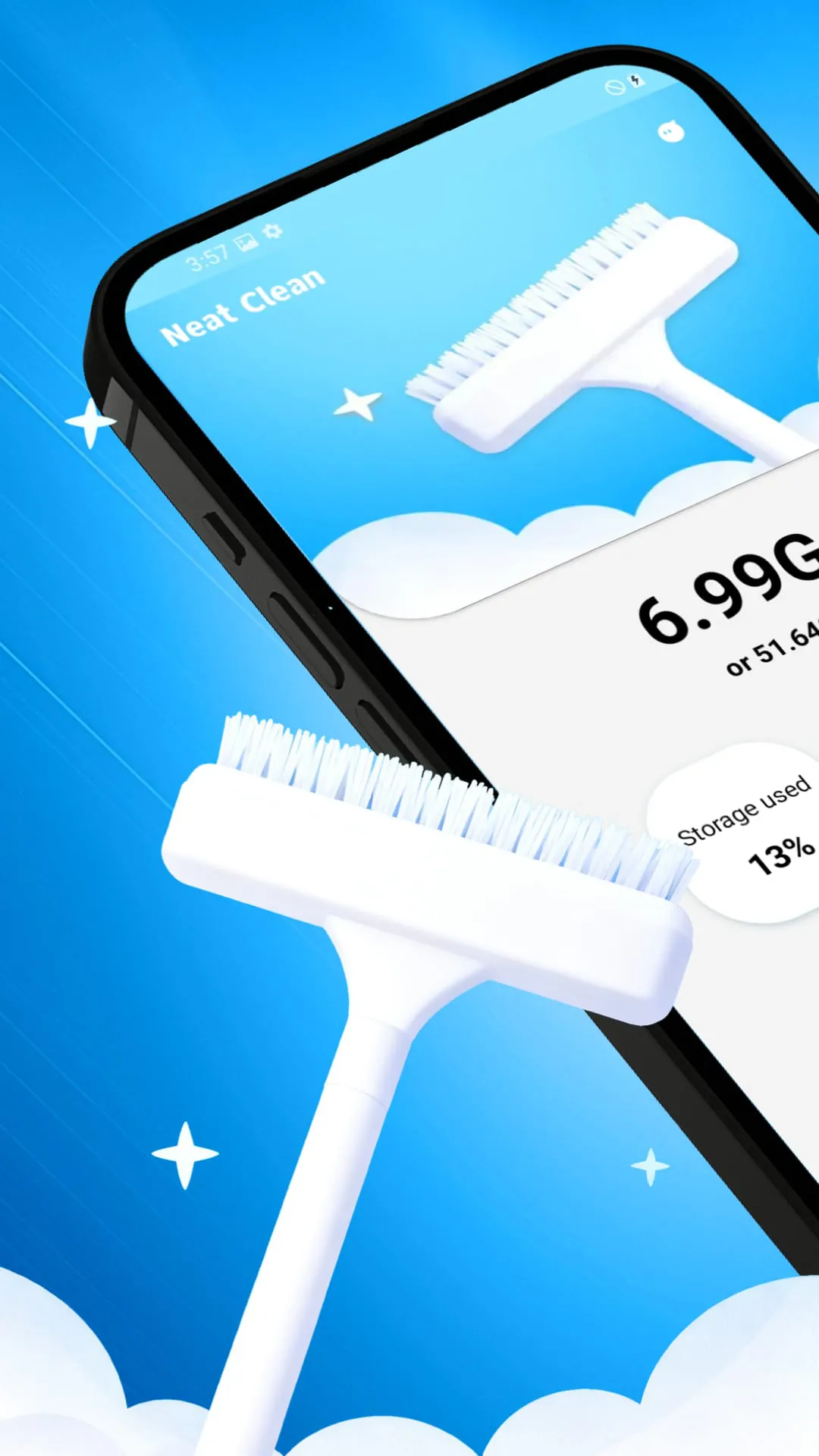
Neat Clean presents itself as a streamlined solution designed to optimize system performance through a single-click operation focused on eliminating unnecessary data. This encompasses a range of functionalities, primarily targeting empty files, cached data, and residual installation packages that often accumulate over time and contribute to system bloat. The core value proposition revolves around simplifying the process of system maintenance, making it accessible to users of varying technical proficiency. By automating the identification and removal of these superfluous files, Neat Clean aims to improve system responsiveness, free up valuable storage space, and potentially enhance overall system stability. The software's effectiveness hinges on its ability to accurately identify and safely remove only those files that are genuinely redundant, avoiding any unintended deletion of critical system or user data. This necessitates a robust algorithm capable of distinguishing between essential and non-essential files, ensuring that the cleaning process is both thorough and safe. Furthermore, the user interface and overall design play a crucial role in the software's usability. A clean, intuitive interface allows users to easily initiate the cleaning process, customize settings, and review the results. Clear and concise reporting on the types and amounts of data removed provides transparency and helps users understand the impact of the cleaning operation. The software's compatibility with various operating systems and file systems is also a key consideration. To be widely adopted, Neat Clean should support a broad range of Windows versions, as well as common file systems such as NTFS and FAT32. Regular updates and ongoing development are essential to maintain compatibility with new software installations and operating system updates, ensuring that the software remains effective and relevant over time. In addition to the core cleaning functionality, Neat Clean may also offer supplementary features such as scheduled cleaning, customizable file exclusion lists, and detailed logs of cleaning operations. These features can further enhance the user experience and provide greater control over the cleaning process. Ultimately, the success of Neat Clean depends on its ability to deliver on its promise of simplified system maintenance while maintaining a high level of safety and reliability. User reviews and testimonials will play a crucial role in shaping public perception and driving adoption. Positive feedback regarding the software's effectiveness, ease of use, and safety will be essential for establishing its credibility and attracting new users. The marketing and promotion of Neat Clean should emphasize its simplicity, speed, and reliability, highlighting its ability to optimize system performance with minimal user effort. Furthermore, transparent pricing and licensing options are important for building trust and encouraging users to invest in the software. Continuous monitoring of user feedback and ongoing development are crucial for ensuring that Neat Clean remains a valuable and effective tool for system optimization. Addressing user concerns and incorporating new features based on user suggestions will help to maintain user satisfaction and drive long-term adoption.
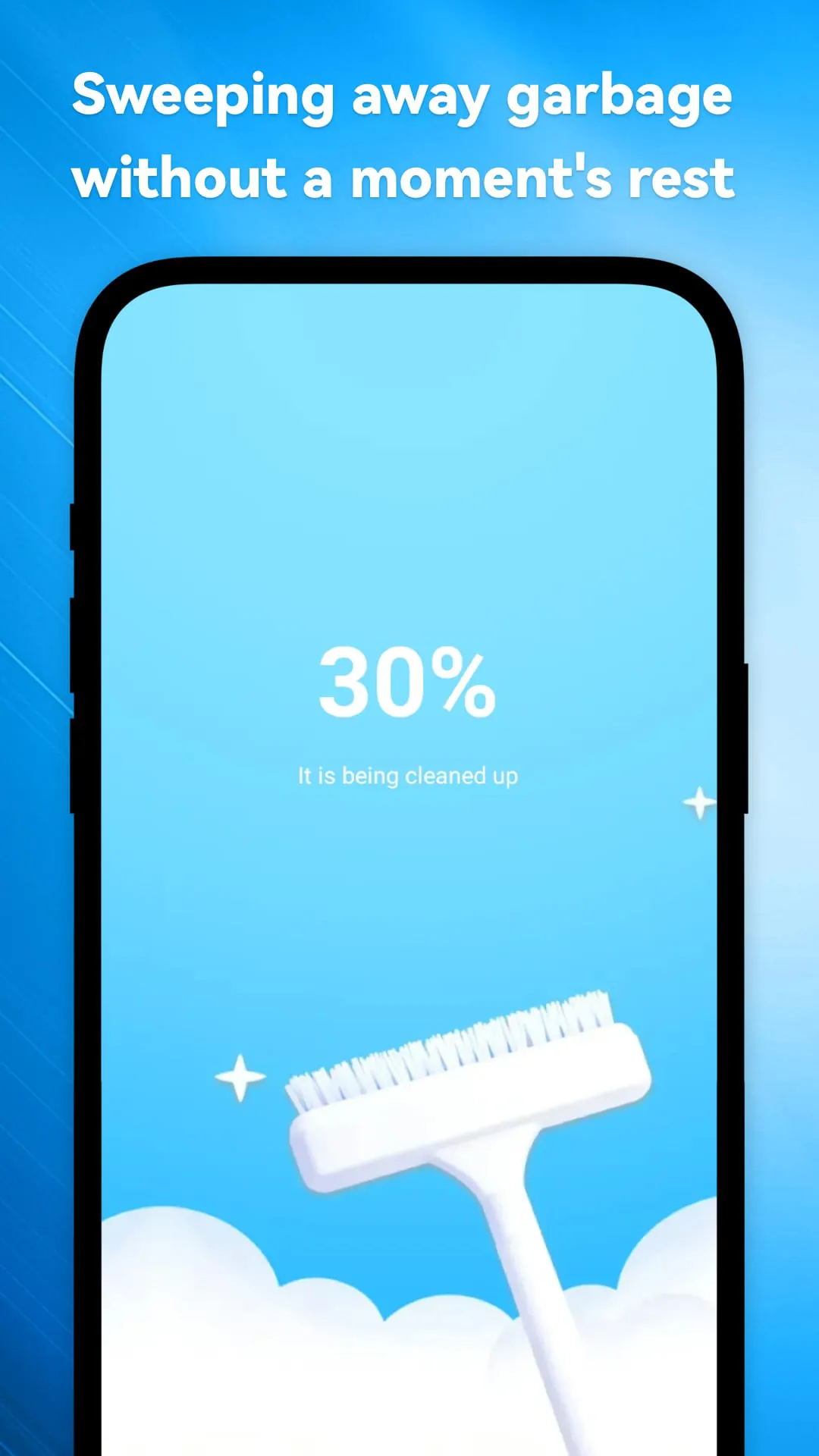
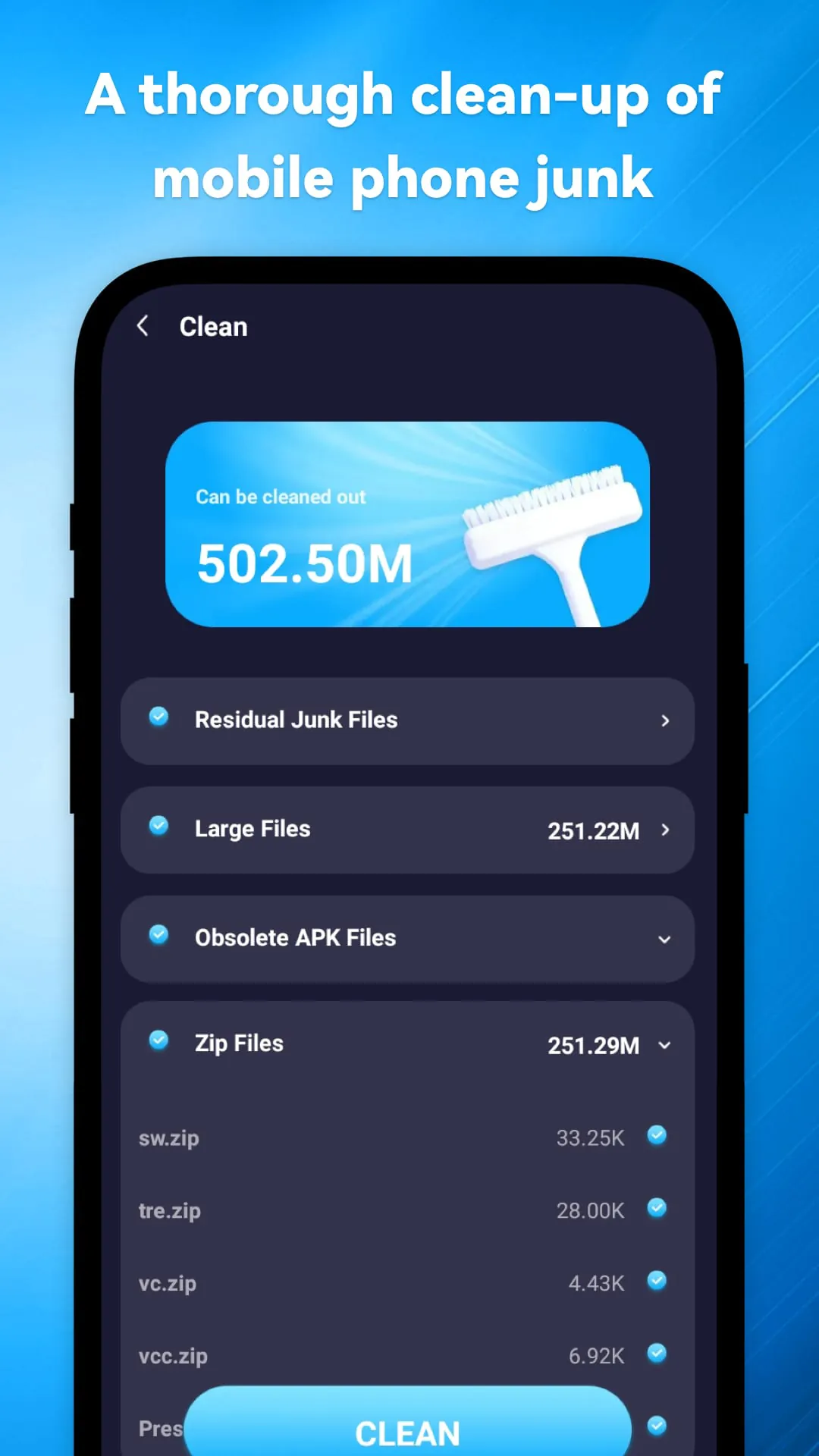
The primary function of Neat Clean, as its name suggests, is to perform a comprehensive sweep of a computer system, targeting specific categories of files that are typically considered unnecessary or redundant. This includes empty files, which are files that contain no data and serve no purpose other than to occupy storage space. These files can be created by various applications or processes and often accumulate over time, contributing to clutter and potentially slowing down system performance. The software also focuses on removing cached data, which consists of temporary files created by applications and web browsers to store frequently accessed information. While caching can improve performance by reducing the need to repeatedly download or generate data, excessive cached data can consume significant storage space and even lead to performance degradation if not properly managed. Neat Clean aims to strike a balance by removing old or irrelevant cached data while preserving the benefits of caching. Another key target of Neat Clean is residual installation packages, which are files left behind after software installations or uninstallations. These packages often contain temporary files, configuration files, and other data that are no longer needed once the installation process is complete. However, they can remain on the system, occupying storage space and potentially causing conflicts with other software. Neat Clean seeks to identify and remove these residual packages, ensuring that the system remains clean and organized. The effectiveness of Neat Clean relies on its ability to accurately identify these various types of unnecessary files without inadvertently deleting important system or user data. This requires a sophisticated algorithm that can distinguish between essential and non-essential files, taking into account file types, locations, and other relevant factors. The software should also provide users with options to customize the cleaning process, allowing them to exclude specific files or folders from being scanned or deleted. This level of customization is crucial for ensuring that the cleaning process is tailored to the individual user's needs and preferences. In addition to its core cleaning functionality, Neat Clean may also offer features such as scheduled cleaning, which allows users to automate the cleaning process and ensure that their systems are regularly maintained. The software may also provide detailed reports on the types and amounts of data removed, giving users insight into the effectiveness of the cleaning process. The user interface should be intuitive and easy to use, allowing users to quickly and easily initiate the cleaning process, customize settings, and review results. Clear and concise instructions and helpful tooltips can further enhance the user experience. The software's compatibility with various operating systems and file systems is also an important consideration. To be widely adopted, Neat Clean should support a broad range of Windows versions, as well as common file systems such as NTFS and FAT32. Regular updates and ongoing development are essential to maintain compatibility with new software installations and operating system updates, ensuring that the software remains effective and relevant over time.
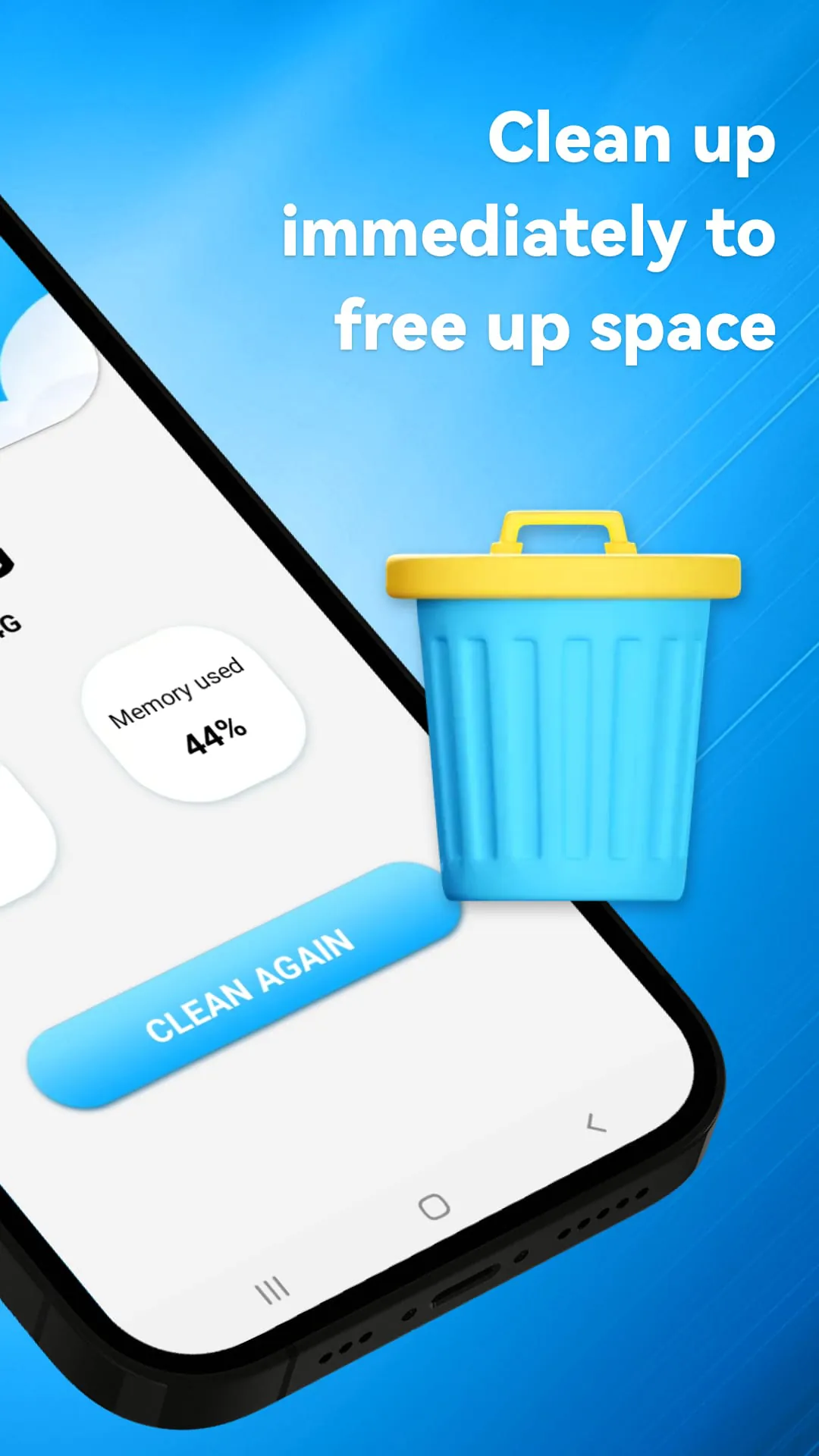
The value proposition of Neat Clean lies in its promise of simplifying system maintenance and optimization. By automating the process of identifying and removing unnecessary files, the software aims to free up valuable storage space, improve system responsiveness, and potentially enhance overall system stability. The target audience for Neat Clean includes users of all technical skill levels, from those who are comfortable manually managing their systems to those who prefer a more hands-off approach. The software's ease of use and intuitive interface make it accessible to a wide range of users. One of the key benefits of using Neat Clean is the time savings it offers. Manually identifying and removing empty files, cached data, and residual installation packages can be a time-consuming and tedious process. Neat Clean automates this process, allowing users to quickly and easily clean their systems with just a few clicks. This can be particularly beneficial for users who have limited time or who are not comfortable manually managing their systems. In addition to saving time, Neat Clean can also help to improve system performance. By removing unnecessary files, the software can free up valuable storage space, which can lead to faster boot times, improved application performance, and overall system responsiveness. The removal of cached data can also help to resolve issues related to application crashes and errors. Furthermore, Neat Clean can help to improve system stability by removing residual installation packages that may be causing conflicts with other software. The software's ability to safely and accurately identify and remove unnecessary files is crucial for ensuring that the cleaning process does not inadvertently delete important system or user data. This requires a robust algorithm that can distinguish between essential and non-essential files, taking into account file types, locations, and other relevant factors. The software should also provide users with options to customize the cleaning process, allowing them to exclude specific files or folders from being scanned or deleted. This level of customization is essential for ensuring that the cleaning process is tailored to the individual user's needs and preferences. The marketing and promotion of Neat Clean should emphasize its simplicity, speed, and reliability, highlighting its ability to optimize system performance with minimal user effort. Transparent pricing and licensing options are also important for building trust and encouraging users to invest in the software. User reviews and testimonials will play a crucial role in shaping public perception and driving adoption. Positive feedback regarding the software's effectiveness, ease of use, and safety will be essential for establishing its credibility and attracting new users. Continuous monitoring of user feedback and ongoing development are crucial for ensuring that Neat Clean remains a valuable and effective tool for system optimization. Addressing user concerns and incorporating new features based on user suggestions will help to maintain user satisfaction and drive long-term adoption. The software should also be regularly updated to maintain compatibility with new operating systems and software installations, ensuring that it remains effective and relevant over time.
Screenshots
 Download
 Additional Information
Category
ToolsVersion
Unknown
Tag
Neat Clean | Cache Removal | Empty File Sweep | Residual Package Removal | System Cleaning
Rate
0.00
★★★★★
Reviews
500 +
Installs
100k +
Developer
RHDesign
Content Rating
Everyone
Focusing on ultimate lightweight cleaning
ADVERTISEMENT
ADVERTISEMENT
Previous Versions
ZIP files require a Split APKs Installer (e.g., SAI) from Google Play to install. Steps: 1. Download SAI from Google Play; 2. Open SAI and tap "Install APKs"; 3. Select the ZIP file; 4. Complete installation.
ADVERTISEMENT
You Might Like