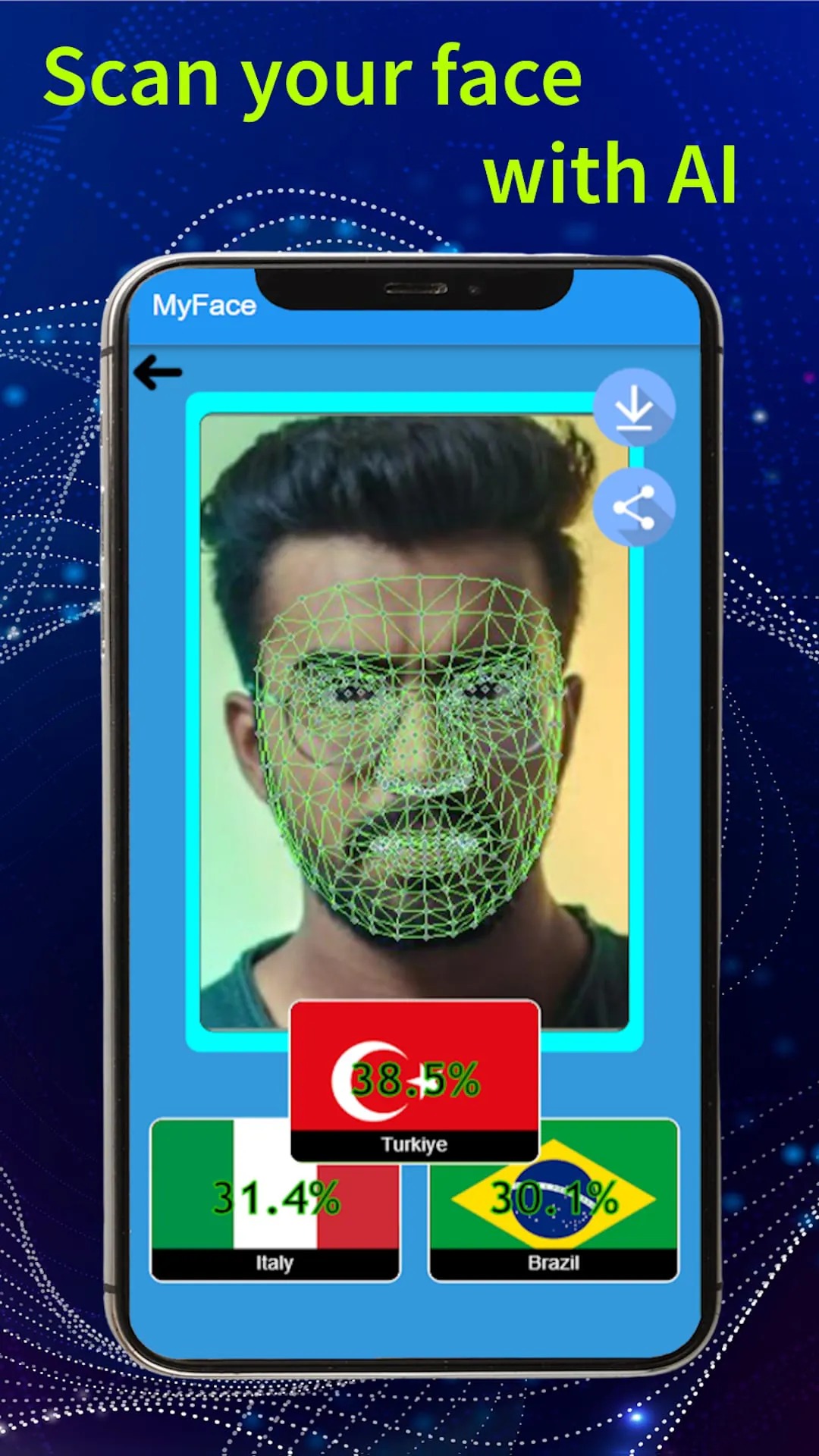
MyFace is presented as a complimentary application engineered to provide users with an estimation of their ethnic or national origins through the analysis of facial features. Leveraging the capabilities of a neural network, the application purports to deliver a percentage-based breakdown of a user's likely national heritage. The operational premise is straightforward: a user uploads a photograph, and the application processes this image to generate the aforementioned ethnic assessment. This accessibility and ease of use are central to MyFace's appeal, positioning it as a user-friendly tool for individuals curious about their ancestry or seeking to explore their potential ethnic backgrounds. The application's reliance on neural networks underscores its technological sophistication, suggesting a complex algorithmic process at work behind the scenes. The instantaneous nature of the results—achieved within a matter of seconds—further enhances the user experience, providing immediate gratification and fueling the exploratory nature of the application. However, it's important to acknowledge that any such application is inherently limited by the complexities of human genetics and the challenges of accurately mapping facial features to specific ethnicities. MyFace should be viewed as a form of entertainment, offering a speculative glimpse into one's potential heritage, rather than a definitive or scientifically rigorous determination of ethnic identity. The app's functionality is predicated on the vast datasets of facial features and corresponding ethnic data that inform the neural network's algorithms. These datasets, while extensive, may not fully represent the diversity of human populations or accurately reflect the nuances of ethnic blending and migration patterns throughout history. Consequently, the results produced by MyFace should be interpreted with caution and understood as estimates rather than precise measurements. While the application can be a fun and engaging way to explore ancestry, users should avoid placing undue weight on its findings or using them to make definitive statements about their ethnic identity. It's also essential to consider the potential biases that may be present in the data used to train the neural network. These biases can arise from the overrepresentation of certain ethnic groups or the underrepresentation of others, leading to skewed or inaccurate results. App developers must actively work to mitigate these biases and ensure that the application provides fair and equitable results for all users. Furthermore, the privacy implications of uploading personal photographs to the application should be carefully considered. Users should be aware of how their data is being used and take steps to protect their privacy by reading the application's privacy policy and adjusting their settings accordingly. Overall, MyFace offers a novel and accessible way to explore the concept of ethnic identity, but users should approach its findings with a critical and informed perspective.
The MyFace application operates on the principle of analyzing facial features to predict an individual's likely ethnic or national origins, employing a neural network to discern patterns and correlations between facial characteristics and known ethnic groups. This process involves the application scanning the uploaded photograph for a range of morphological traits, such as the shape of the eyes, nose, and jawline, the distance between facial features, and the overall structure of the face. These traits are then compared against a vast database of facial data associated with different ethnic populations, allowing the neural network to identify the closest matches and generate a percentage-based estimate of the user's likely ethnic composition. The accuracy of this process is contingent upon several factors, including the quality of the uploaded photograph, the diversity and completeness of the underlying database, and the sophistication of the neural network algorithms. A high-resolution photograph with good lighting and minimal obstruction of the face is more likely to yield accurate results than a blurry or poorly lit image. Similarly, a database that encompasses a wide range of ethnic groups and accounts for the variability within those groups will provide a more reliable basis for analysis. The neural network itself must be trained on a sufficiently large and representative dataset to avoid biases and ensure that it can accurately identify patterns in facial features. One of the key challenges in developing such an application is addressing the complexities of human ancestry and the interconnectedness of ethnic groups. Throughout history, populations have migrated, intermarried, and blended, resulting in a complex tapestry of genetic and cultural influences. This makes it difficult to assign individuals to specific ethnic categories based solely on their facial features. The MyFace application attempts to account for this complexity by providing a percentage-based breakdown of the user's likely ethnic composition, rather than assigning them to a single ethnic group. This approach acknowledges the fact that most individuals have ancestry from multiple ethnic groups and that their facial features may reflect this mixed heritage. However, it is important to recognize that even with this approach, the results generated by MyFace are still estimates and should not be taken as definitive statements about an individual's ethnic identity. The application is intended for entertainment purposes and should be used as a tool for exploration and discovery, rather than a source of definitive information.
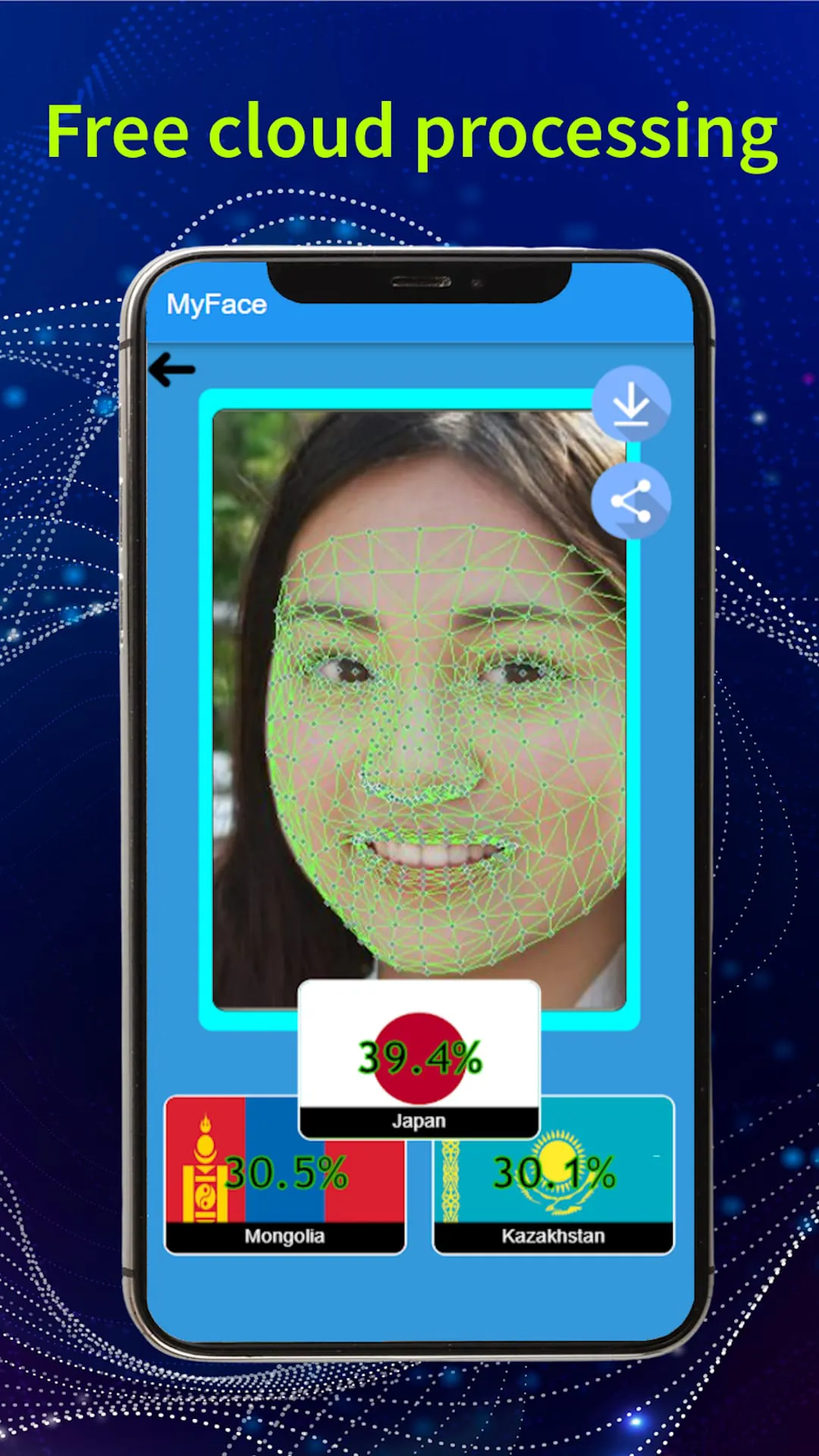
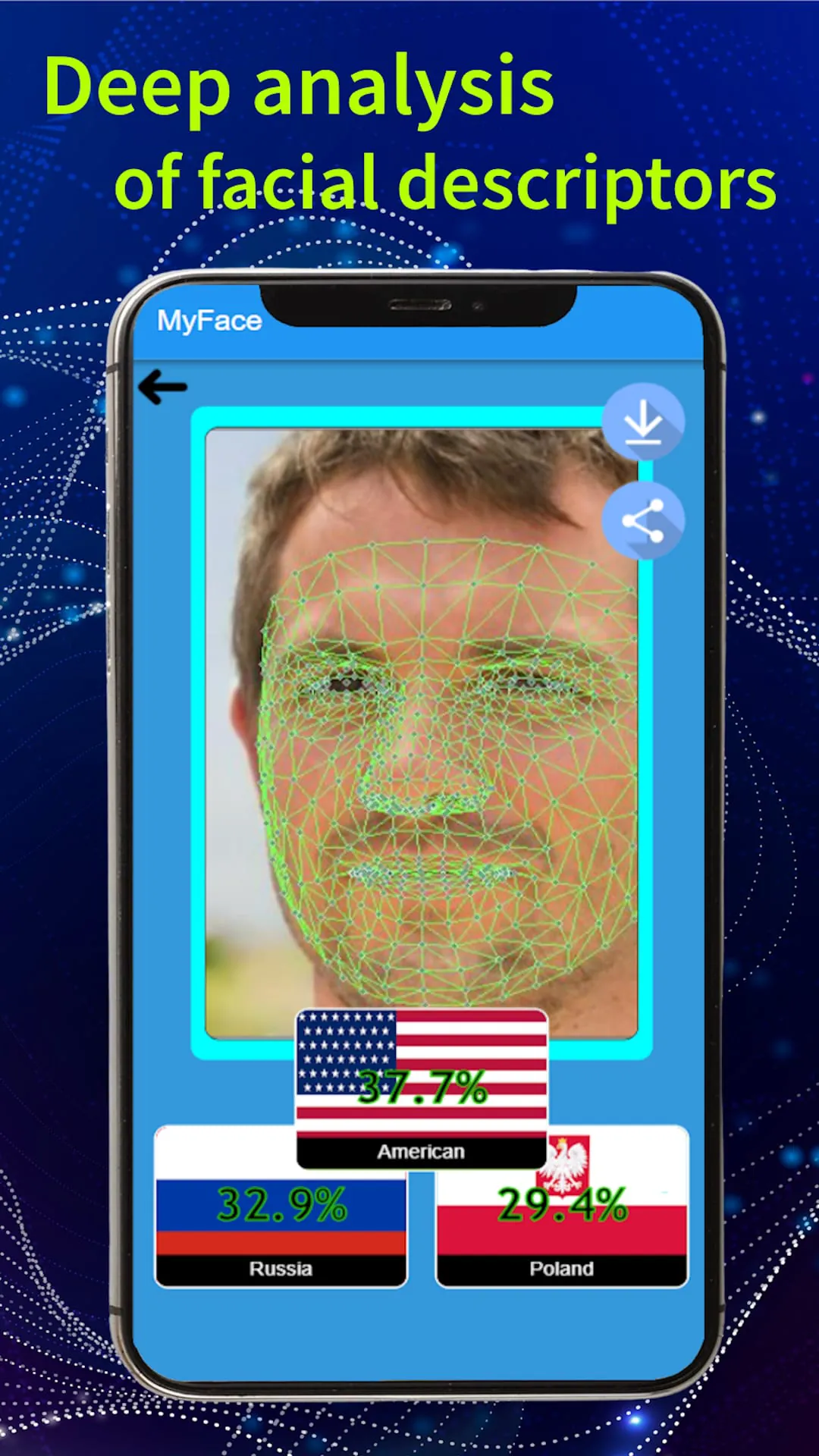
The user experience of MyFace is designed to be straightforward and intuitive, emphasizing ease of access and immediate results. Upon launching the application, users are typically presented with a prominent option to upload a photograph. This photograph serves as the primary input for the facial analysis process. The application may prompt users to grant permission to access their device's camera or photo library, depending on the platform and privacy settings. Once a photograph is selected, the application initiates the analysis process, which involves scanning the image for key facial features and comparing them against the database of ethnic facial data. This process is typically automated and requires minimal user intervention. The duration of the analysis may vary depending on the complexity of the image and the processing power of the device, but it is generally completed within a matter of seconds. Once the analysis is complete, the application displays the results in a clear and concise format. This typically includes a percentage-based breakdown of the user's likely ethnic composition, along with visual representations such as charts or maps. The application may also provide additional information about the ethnic groups identified, such as their geographic origins, cultural traditions, and historical background. This information can enhance the user's understanding of their potential heritage and provide a starting point for further exploration. The user interface of MyFace is designed to be visually appealing and engaging, with a focus on simplicity and clarity. The application may incorporate animations, graphics, and other visual elements to enhance the user experience and make the process of exploring ancestry more enjoyable. However, it is important to avoid overwhelming users with too much information or creating a cluttered interface. The goal is to provide a user-friendly and intuitive experience that encourages exploration and discovery. In addition to the core functionality of analyzing facial features, MyFace may also offer other features, such as the ability to save and share results, compare results with friends and family, and explore different ethnic groups in more detail. These features can enhance the user's engagement with the application and provide additional opportunities for learning and discovery. However, it is important to ensure that these features are implemented in a way that is consistent with the application's overall purpose and does not detract from the core functionality of analyzing facial features.




 APK
APK  Google Play
  iOS
iOS  2.20
2.20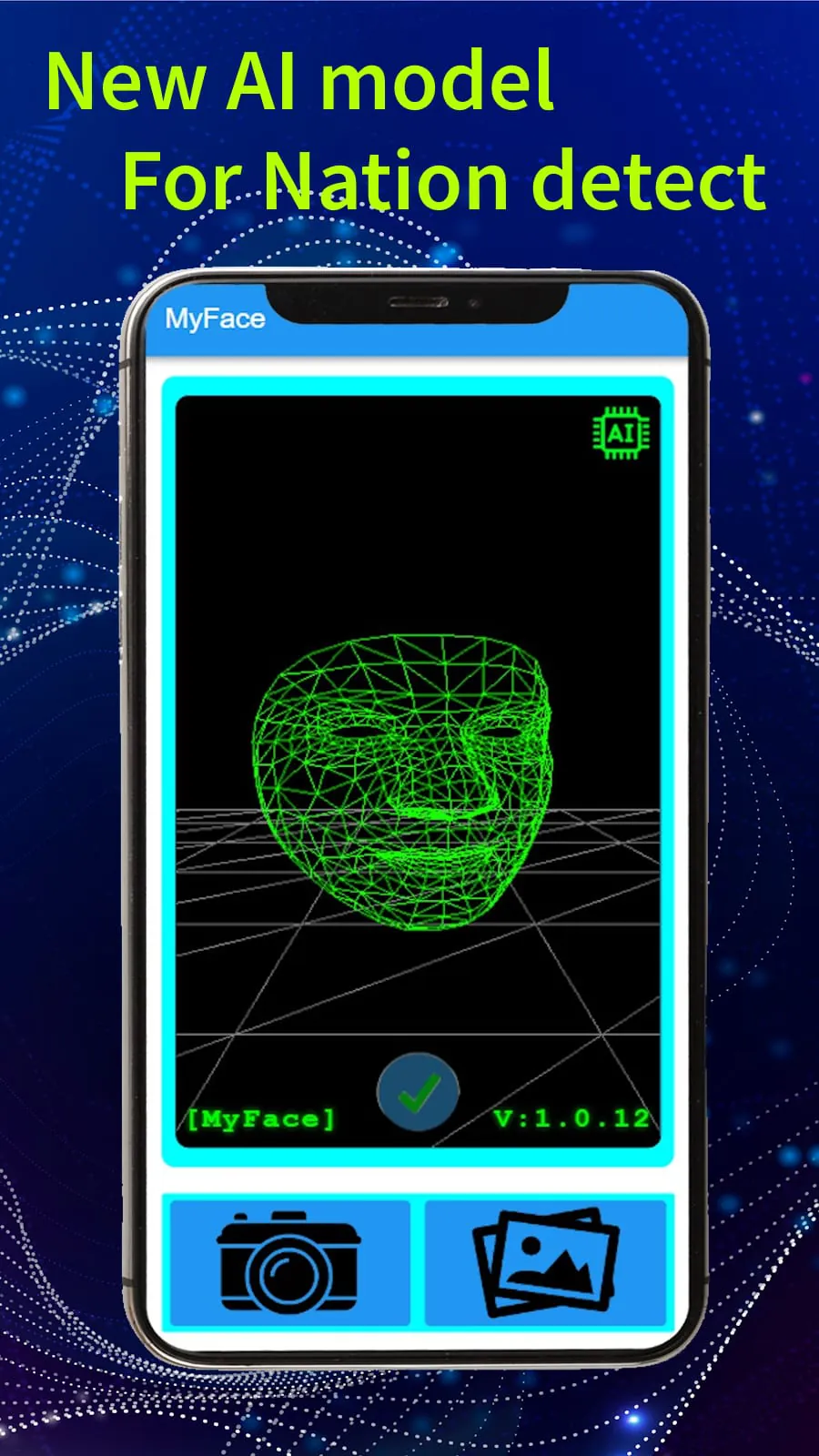
 Download