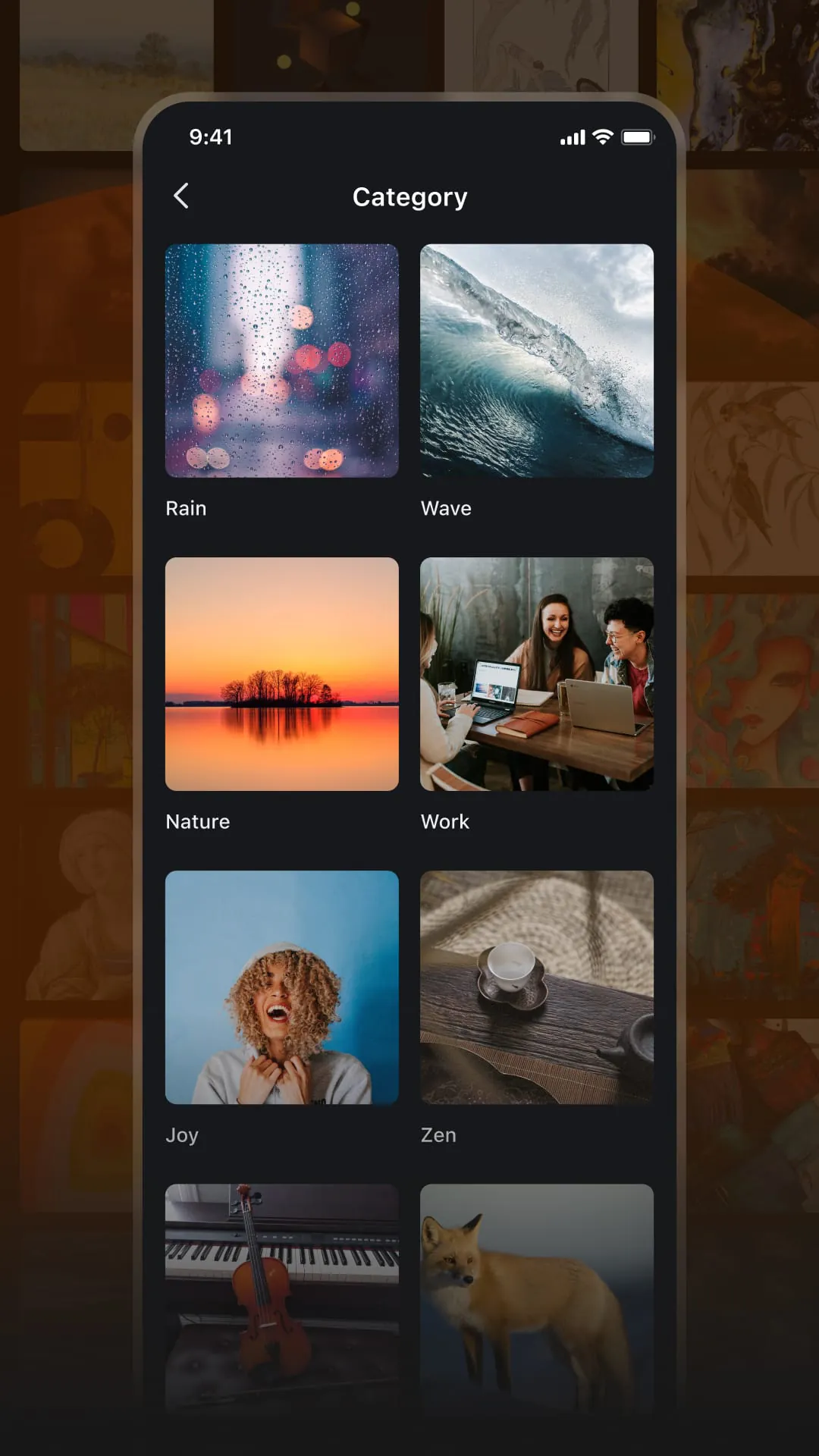
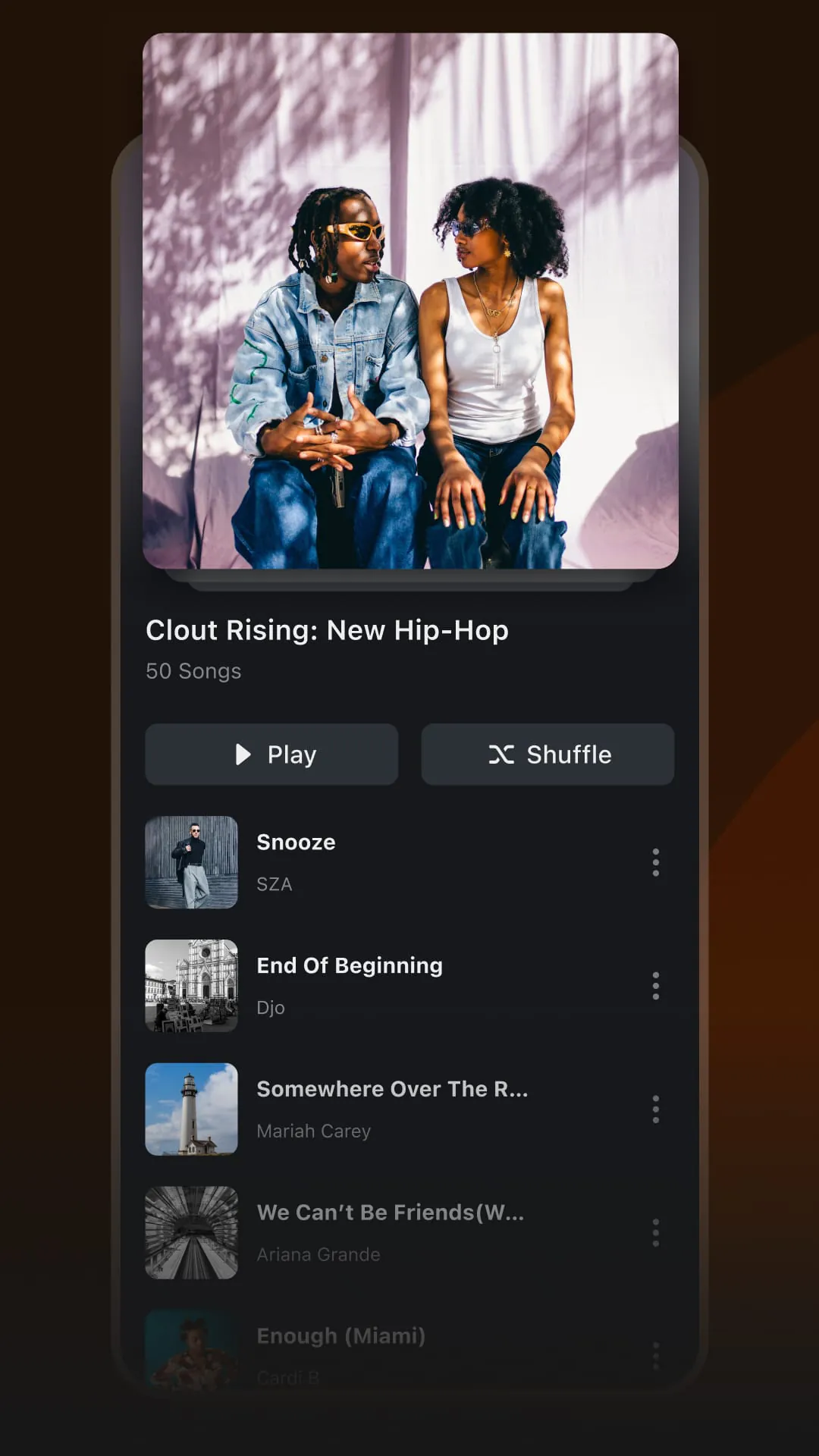
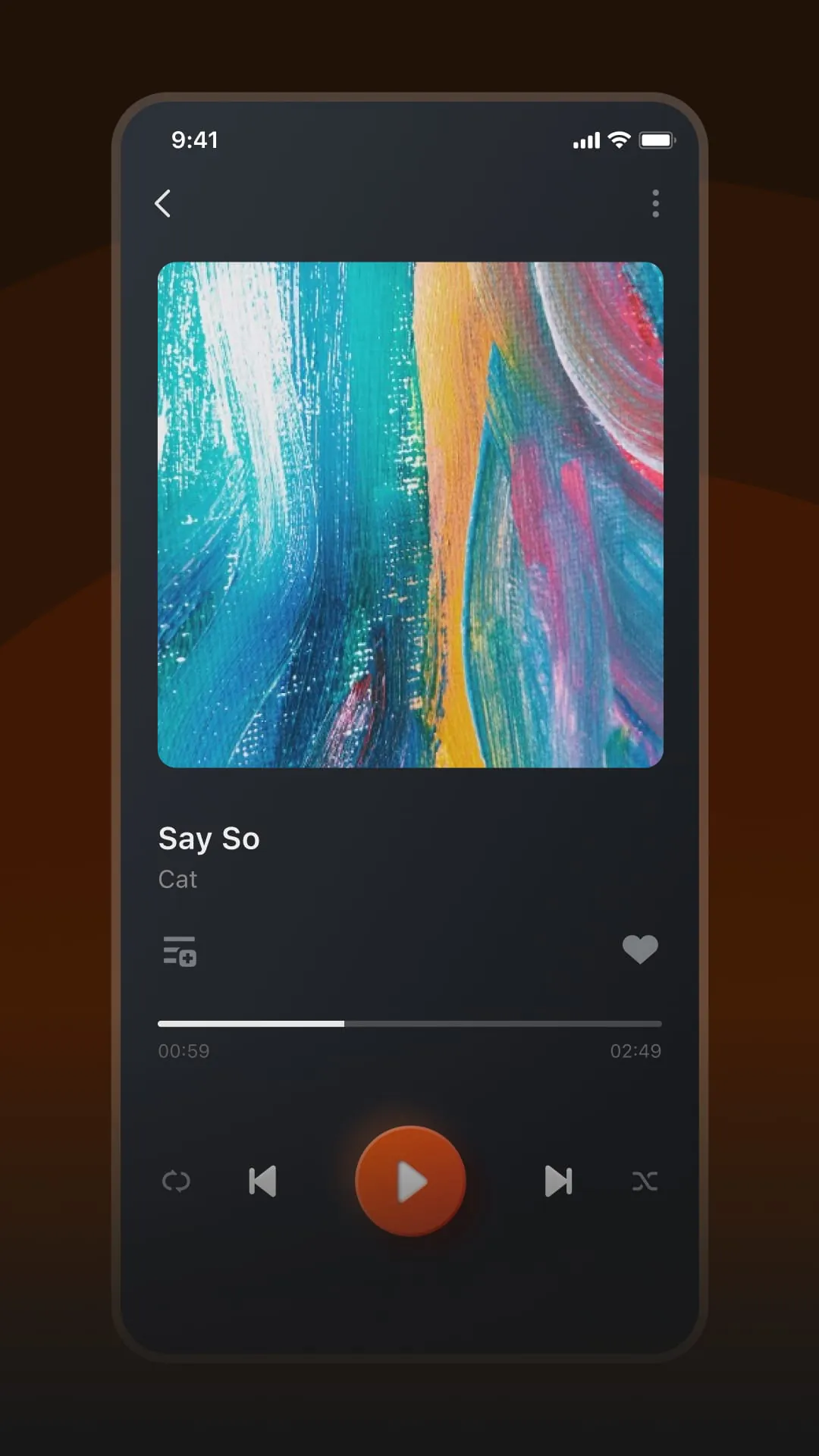
Musivibe is presented as a user-friendly, interactive, and powerful offline music player designed to enhance the music listening experience. The core concept revolves around providing users with a seamless and enjoyable way to access and organize their music library, regardless of internet connectivity. The application's key strength lies in its ability to categorize songs and sounds into various distinct categories, catering to diverse moods and activities. These categories include Rain, Ocean Waves, Nature, Work, Cheerful, Zen, Instruments, and Animals, offering users a wide array of options to suit their specific preferences. The sound categorization feature allows users to easily discover music that aligns with their current state of mind or the activity they are engaged in, whether it's relaxing to the soothing sounds of rain, focusing on work with ambient instrumental music, or energizing themselves with cheerful tunes. Furthermore, Musivibe empowers users to create and organize personalized playlists, enabling them to curate their music collections according to their individual tastes and preferences. This feature allows for a high degree of customization, allowing users to group songs based on genre, mood, artist, or any other criteria they deem relevant. The ability to create custom playlists enhances the overall user experience, providing a sense of ownership and control over their music library. The application also boasts a user-friendly in-app UI design, ensuring ease of navigation and intuitive operation. This is crucial for attracting and retaining users, as a complex or confusing interface can deter potential users and lead to frustration. The emphasis on user-friendliness suggests that Musivibe is designed to be accessible to a wide range of users, regardless of their technical expertise. In addition to its core features, Musivibe allows users to create, edit, stream, and share custom playlists, fostering a sense of community and allowing users to share their musical tastes with others. This social aspect can enhance user engagement and contribute to the application's overall appeal. The invitation for users to provide feedback and suggestions indicates a commitment to continuous improvement and a desire to cater to the evolving needs of its user base. The provided contact information (
[email protected]
) further reinforces this commitment to customer support and responsiveness. Overall, Musivibe positions itself as a comprehensive and user-centric offline music player that prioritizes ease of use, customization, and a diverse range of sound categories to cater to a wide spectrum of musical preferences. The application's focus on offline accessibility, personalized playlists, and a user-friendly interface suggests a strong understanding of the needs and desires of modern music listeners.
The design philosophy of Musivibe appears to be centered around providing a versatile and adaptable music listening experience that caters to a wide range of user preferences and situations. The emphasis on sound categories highlights the application's ability to adapt to different moods and activities, offering a curated selection of music that aligns with the user's current state of mind. For instance, the 'Rain' and 'Ocean Waves' categories are likely intended for relaxation and stress relief, while the 'Work' category may feature ambient or instrumental music designed to enhance focus and productivity. The 'Cheerful' category, on the other hand, would likely contain upbeat and energetic tracks to uplift the user's mood. The inclusion of categories like 'Zen', 'Instruments', and 'Animals' further demonstrates the application's diverse range of offerings, catering to niche interests and preferences. The ability to create and organize personalized playlists is another key aspect of Musivibe's design, empowering users to take control of their music library and curate their own unique listening experiences. This feature allows for a high degree of customization, enabling users to group songs based on any criteria they choose, whether it's genre, artist, mood, or activity. The user-friendly in-app UI design is crucial for ensuring that all of these features are accessible and easy to use, regardless of the user's technical expertise. A well-designed interface can significantly enhance the user experience, making it more enjoyable and intuitive to navigate the application's various features. The ability to create, edit, stream, and share custom playlists adds a social dimension to the application, allowing users to connect with others and share their musical tastes. This feature can foster a sense of community and encourage user engagement, contributing to the application's overall appeal. Furthermore, the invitation for user feedback and suggestions underscores the application's commitment to continuous improvement and its desire to cater to the evolving needs of its user base. This iterative approach to development can help ensure that Musivibe remains relevant and competitive in the ever-changing landscape of music streaming and playback applications. Overall, Musivibe's design philosophy appears to be driven by a desire to provide a versatile, customizable, and user-friendly music listening experience that caters to a wide range of preferences and situations. The emphasis on sound categories, personalized playlists, and a user-friendly interface suggests a strong understanding of the needs and desires of modern music listeners.
Musivibe's potential impact on the music player market lies in its combination of offline accessibility, personalized customization, and a focus on catering to specific moods and activities. In a world increasingly dominated by streaming services, the ability to access music offline remains a valuable asset, particularly for users who may not always have access to a reliable internet connection. Musivibe's offline functionality allows users to enjoy their music library without being tethered to the internet, making it an ideal choice for travel, commutes, or situations where data connectivity is limited. The personalized playlist feature further enhances the application's appeal, empowering users to curate their own unique listening experiences and take control of their music library. This level of customization is not always available in streaming services, which often rely on algorithmic recommendations that may not always align with the user's individual tastes. The sound categorization feature sets Musivibe apart from many other music players, offering a curated selection of music that aligns with specific moods and activities. This feature can be particularly appealing to users who seek music to enhance their relaxation, focus, or energy levels. By categorizing music based on its sonic characteristics and emotional impact, Musivibe simplifies the process of discovering music that suits the user's current state of mind. The user-friendly in-app UI design is crucial for ensuring that all of these features are accessible and easy to use, regardless of the user's technical expertise. A well-designed interface can significantly enhance the user experience, making it more enjoyable and intuitive to navigate the application's various features. The ability to create, edit, stream, and share custom playlists adds a social dimension to the application, allowing users to connect with others and share their musical tastes. This feature can foster a sense of community and encourage user engagement, contributing to the application's overall appeal. Musivibe's potential for growth and success will depend on its ability to effectively market its unique features and differentiate itself from the crowded field of music players. By emphasizing its offline accessibility, personalized customization, and focus on catering to specific moods and activities, Musivibe can carve out a niche for itself in the market and attract a loyal user base. Furthermore, continuous improvement and responsiveness to user feedback will be crucial for ensuring that the application remains relevant and competitive in the long term.





 APK
APK  Google Play
  iOS
iOS  4.70
4.70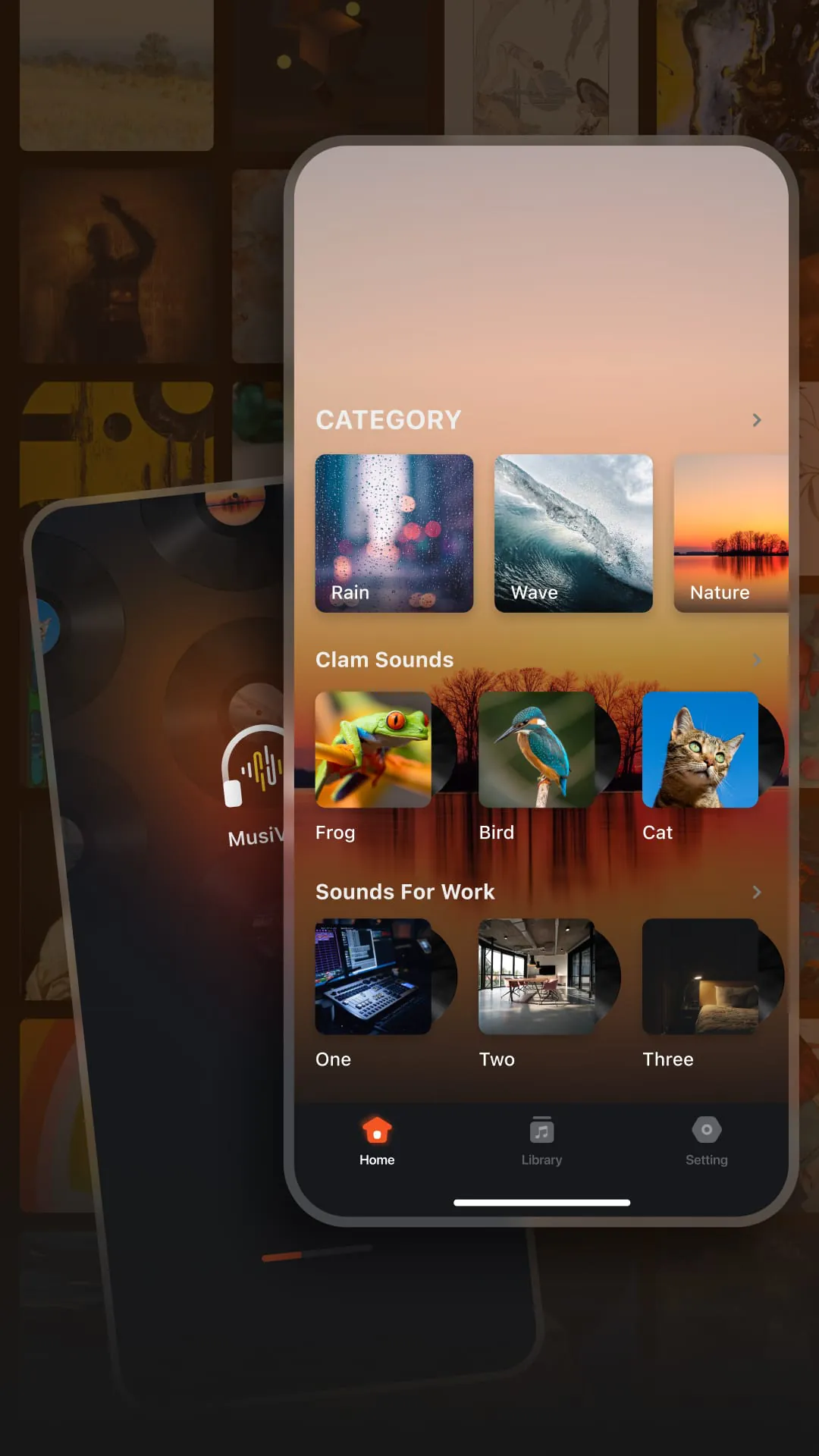
 Download