

ADVERTISEMENT
ADVERTISEMENT

Make Girlfriend Make Girlfriend
Category
CasualTag
attraction | Shape doors | Girlfriend | Personal preference
Rate
4.50
★★★★★
Reviews
500 +
Installs
50M +
Developer
ygnn
Content Rating
Everyone
Make your girlfriend image
 APK
APK  Google Play
  iOS
iOS  4.50
4.50ADVERTISEMENT
ADVERTISEMENT
Author's Review
appspicked Review
The prompt presents a bizarre and nonsensical premise: choosing 'shape doors' to 'make' a girlfriend. This immediately raises several red flags. The concept is illogical and deeply problematic, reducing human connection and relationships to a matter of selecting inanimate objects. It suggests a disturbing lack of understanding of human agency, consent, and the complexities of building meaningful relationships. The language used is both objectifying and dehumanizing, treating women as if they are products to be manufactured or assembled based on superficial preferences. The phrase 'what kind of girl you like?' further reinforces this problematic perspective, implying that individuals can be categorized and chosen based on pre-defined criteria, ignoring their unique personalities, experiences, and values. This approach is fundamentally flawed and perpetuates harmful stereotypes about relationships and gender roles. Instead of focusing on genuine connection, mutual respect, and emotional compatibility, the prompt promotes a shallow and transactional view of human interaction. It encourages a superficial assessment of individuals based on external characteristics, rather than appreciating their intrinsic worth and individuality. The idea of 'making' a girlfriend is particularly troubling, as it suggests a desire to control and manipulate another person to fit one's own desires. This is a dangerous and unethical approach to relationships, as it disregards the other person's autonomy and right to self-determination. A healthy relationship is built on mutual respect, trust, and equality, where both individuals are free to express themselves and pursue their own goals. Trying to 'make' someone into a girlfriend is a recipe for disaster, as it is likely to lead to resentment, conflict, and ultimately, the breakdown of the relationship. Furthermore, the prompt's focus on 'shape doors' as a means of attracting a partner is completely nonsensical and lacks any logical basis. There is no conceivable connection between selecting different types of doors and finding a compatible partner. This suggests a deep misunderstanding of the dynamics of attraction and the factors that contribute to successful relationships. Attraction is a complex phenomenon that is influenced by a multitude of factors, including personality, shared interests, values, and physical appearance. However, it is never simply a matter of choosing the right 'shape door.' Instead, it requires genuine connection, mutual respect, and a willingness to get to know someone on a deeper level. Ultimately, the prompt is deeply flawed and promotes a harmful and unrealistic view of relationships. It reduces human connection to a superficial and transactional process, ignoring the importance of genuine connection, mutual respect, and emotional compatibility. Instead of trying to 'make' a girlfriend by selecting 'shape doors,' individuals should focus on developing healthy communication skills, building genuine connections with others, and treating everyone with respect and dignity. This is the only way to build meaningful and fulfilling relationships that are based on love, trust, and mutual support. The entire premise is so absurd that it's difficult to take seriously, yet the underlying implications are concerning due to the objectification and simplification of human relationships.
The prompt’s suggestion that choosing 'shape doors' can lead to acquiring a girlfriend is not only illogical but also perpetuates a harmful and unrealistic view of relationships. It reduces the complexities of human connection to a simple act of selection, implying that people can be chosen based on superficial criteria rather than on genuine compatibility and mutual respect. This approach disregards the importance of personality, shared interests, values, and emotional connection, which are essential for building lasting and meaningful relationships. The concept of 'making' a girlfriend further exacerbates the problem by suggesting that women are objects to be created or manipulated according to one's preferences. This is a deeply objectifying and dehumanizing perspective that undermines the agency and autonomy of women. It implies that women are not individuals with their own thoughts, feelings, and desires, but rather passive objects to be molded into the ideal partner. This kind of thinking can lead to controlling and abusive behavior in relationships, as one partner attempts to impose their will on the other. A healthy relationship is built on equality, where both partners respect each other's boundaries and individuality. Trying to 'make' someone into a girlfriend is a recipe for disaster, as it will inevitably lead to resentment and conflict. Furthermore, the prompt's focus on external characteristics as the primary basis for attraction is misleading and superficial. While physical attraction can play a role in initial attraction, it is not the sole determinant of a successful relationship. Lasting relationships are built on deeper connections that involve shared values, intellectual stimulation, emotional support, and mutual respect. Choosing 'shape doors' is irrelevant to these essential qualities. Instead of focusing on superficial criteria, individuals should strive to develop genuine connections with others based on shared interests, values, and goals. This requires open communication, active listening, and a willingness to understand and appreciate the other person's perspective. It also requires a commitment to building trust and mutual respect, which are essential for creating a strong and lasting bond. Ultimately, the prompt's suggestion that choosing 'shape doors' can lead to acquiring a girlfriend is a harmful and unrealistic fantasy. It promotes a superficial and objectifying view of relationships that undermines the importance of genuine connection, mutual respect, and emotional compatibility. Instead of pursuing this misguided approach, individuals should focus on developing healthy communication skills, building genuine connections with others, and treating everyone with respect and dignity. This is the only way to build meaningful and fulfilling relationships that are based on love, trust, and mutual support. The idea that inanimate objects can influence the formation of a romantic relationship is absurd and demonstrates a lack of understanding of human interaction.
The central issue with the prompt lies in its reductionist view of human relationships, particularly the concept of finding a 'girlfriend.' The notion that one can 'choose a variety of shape doors to make your girlfriend' is not only illogical but also deeply problematic. It transforms the complex and nuanced process of forming a romantic connection into a superficial act of selection, akin to choosing items from a catalog. This approach completely disregards the essential elements of mutual attraction, shared values, emotional compatibility, and personal connection that are fundamental to any healthy relationship. The phrase 'Do you know what kind of girl you like?' further reinforces this objectification by implying that individuals can be categorized and selected based on pre-defined criteria. This perspective ignores the unique qualities and complexities of each person, reducing them to a set of desirable traits or characteristics. It also perpetuates harmful stereotypes and reinforces the idea that individuals should conform to certain expectations in order to be deemed worthy of a relationship. The act of 'making' a girlfriend suggests a disturbing level of control and manipulation, as if a person can be manufactured or assembled according to one's own desires. This undermines the agency and autonomy of the other individual, treating them as an object to be possessed rather than a partner to be cherished. A healthy relationship is built on mutual respect, equality, and the freedom for both individuals to express themselves and pursue their own goals. The idea of 'making' someone into a girlfriend is inherently incompatible with these principles. Furthermore, the connection between 'shape doors' and finding a partner is completely arbitrary and lacks any logical basis. There is no conceivable reason why the selection of different types of doors would have any influence on one's ability to form a meaningful relationship. This suggests a profound misunderstanding of the dynamics of human attraction and the factors that contribute to successful partnerships. Attraction is a complex phenomenon that is influenced by a multitude of factors, including personality, shared interests, values, and physical appearance. However, it is never simply a matter of choosing the right 'shape door.' Instead, it requires genuine connection, mutual respect, and a willingness to get to know someone on a deeper level. In conclusion, the prompt is deeply flawed and promotes a harmful and unrealistic view of relationships. It reduces human connection to a superficial and transactional process, ignoring the importance of genuine connection, mutual respect, and emotional compatibility. Instead of trying to 'make' a girlfriend by selecting 'shape doors,' individuals should focus on developing healthy communication skills, building genuine connections with others, and treating everyone with respect and dignity. This is the only way to build meaningful and fulfilling relationships that are based on love, trust, and mutual support. The entire premise is absurd and demonstrates a lack of understanding of the complexities of human relationships.
Screenshots
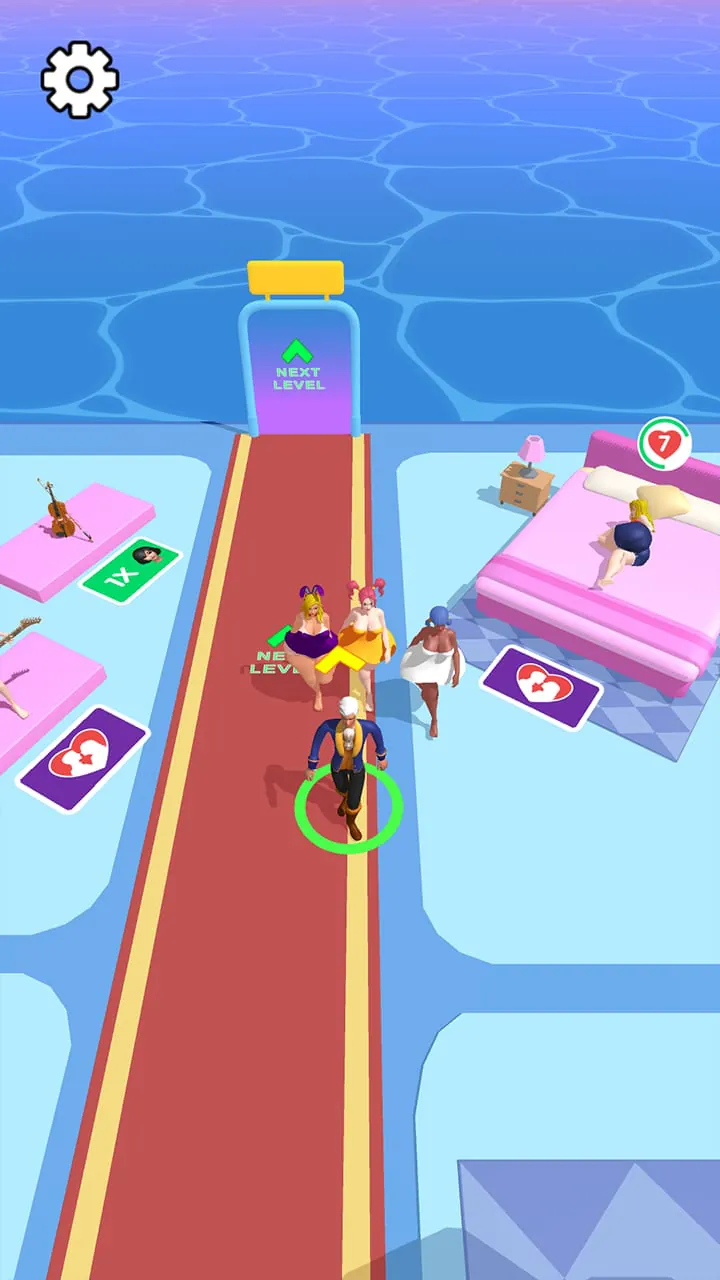
 Download
 Additional Information
Category
CasualVersion
Unknown
Tag
attraction | Shape doors | Girlfriend | Personal preference
Rate
4.50
★★★★★
Reviews
500 +
Installs
50M +
Developer
ygnn
Content Rating
Everyone
Make your girlfriend image
ADVERTISEMENT
ADVERTISEMENT
Previous Versions
ZIP files require a Split APKs Installer (e.g., SAI) from Google Play to install. Steps: 1. Download SAI from Google Play; 2. Open SAI and tap "Install APKs"; 3. Select the ZIP file; 4. Complete installation.
ADVERTISEMENT
You Might Like