



YALLA YALLA
Category
EventsTag
Digital Experience | CAN 2025 | Yalla App | FAN ID | e-visa
Rate
2.30
★★★★★
Reviews
500 +
Installs
500k +
Developer
FRMF – Fédération Royale Marocaine de Football
Content Rating
Everyone
Fan ID and E-visa for the TotalEnergies 2025 Africa Cup of Nations in Morocco
 APK
APK  Google Play
  iOS
iOS  2.30
2.30 Author's Review
Appspicked Review
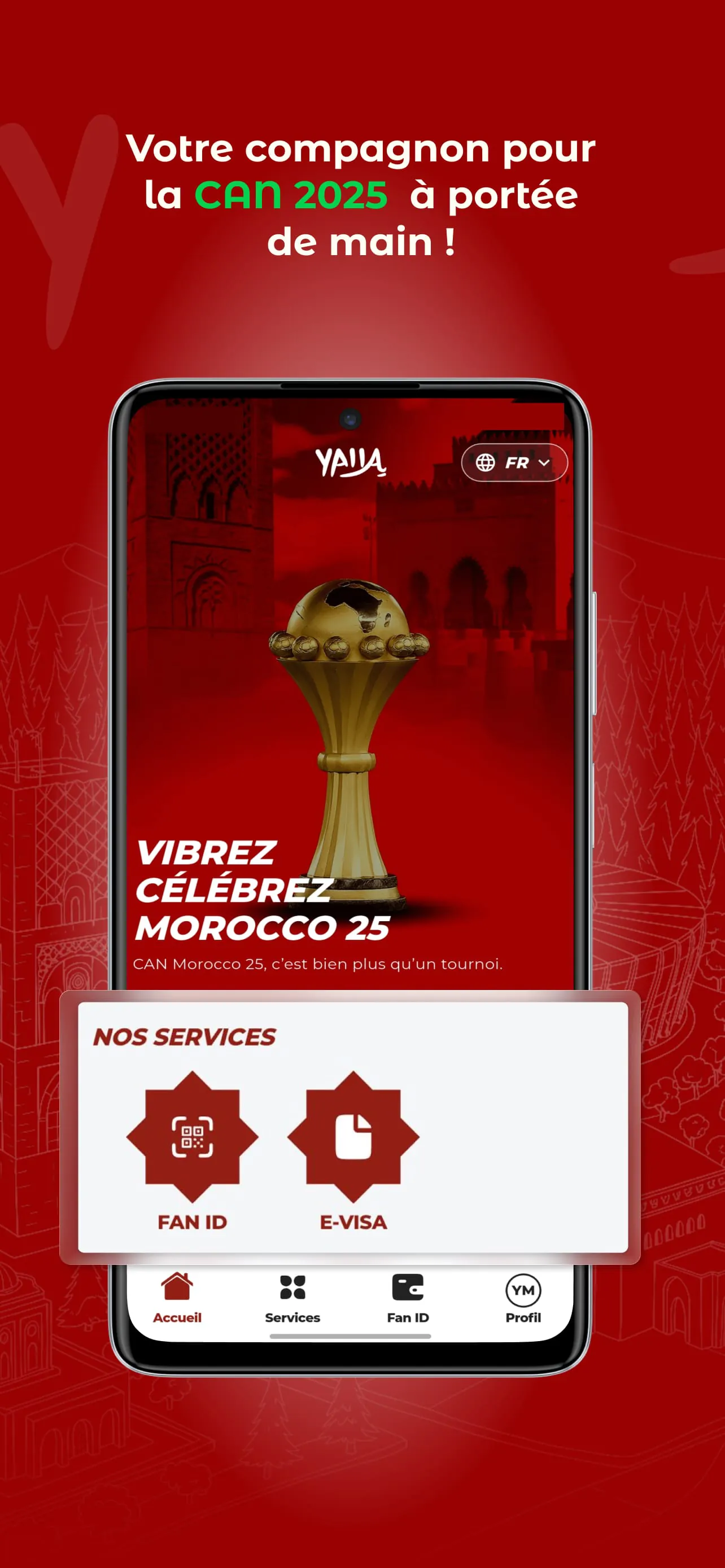
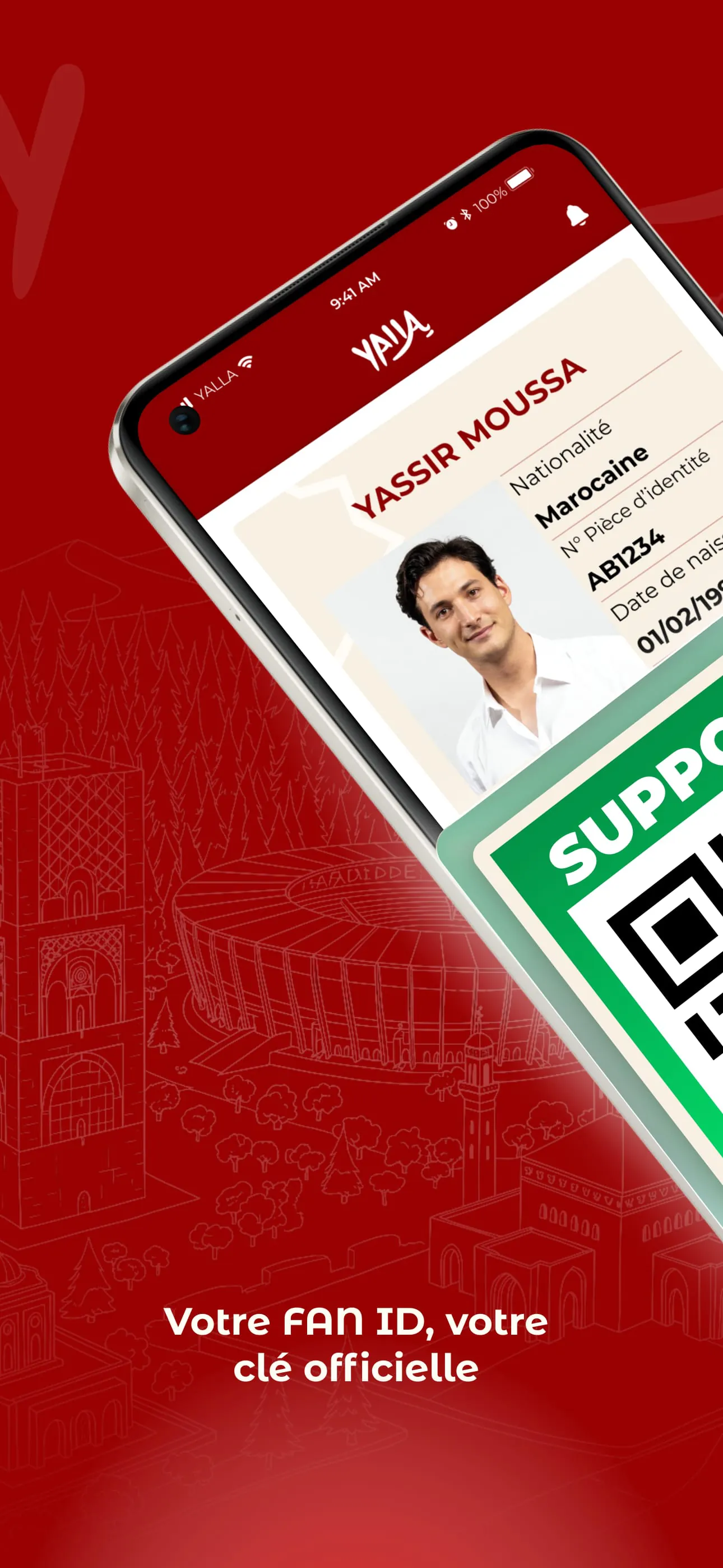
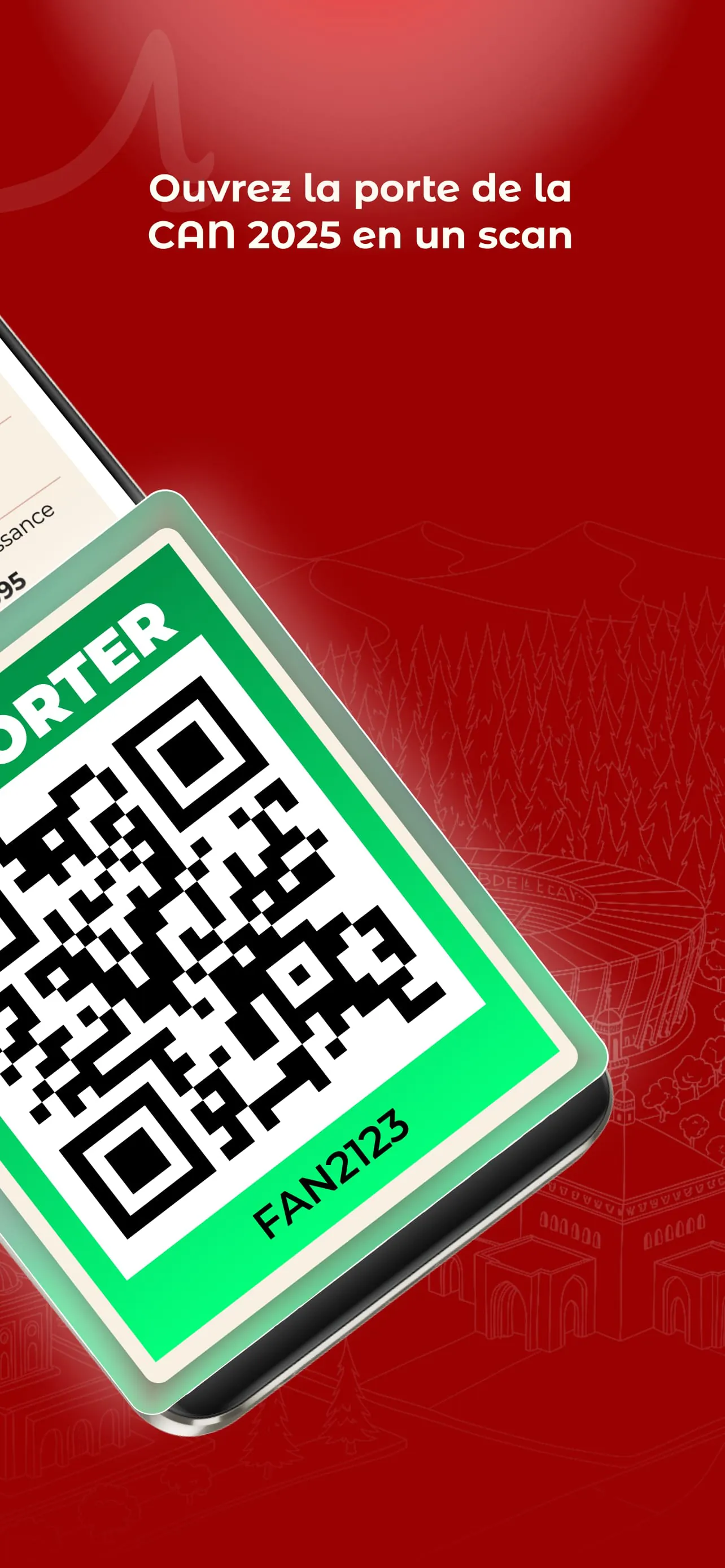
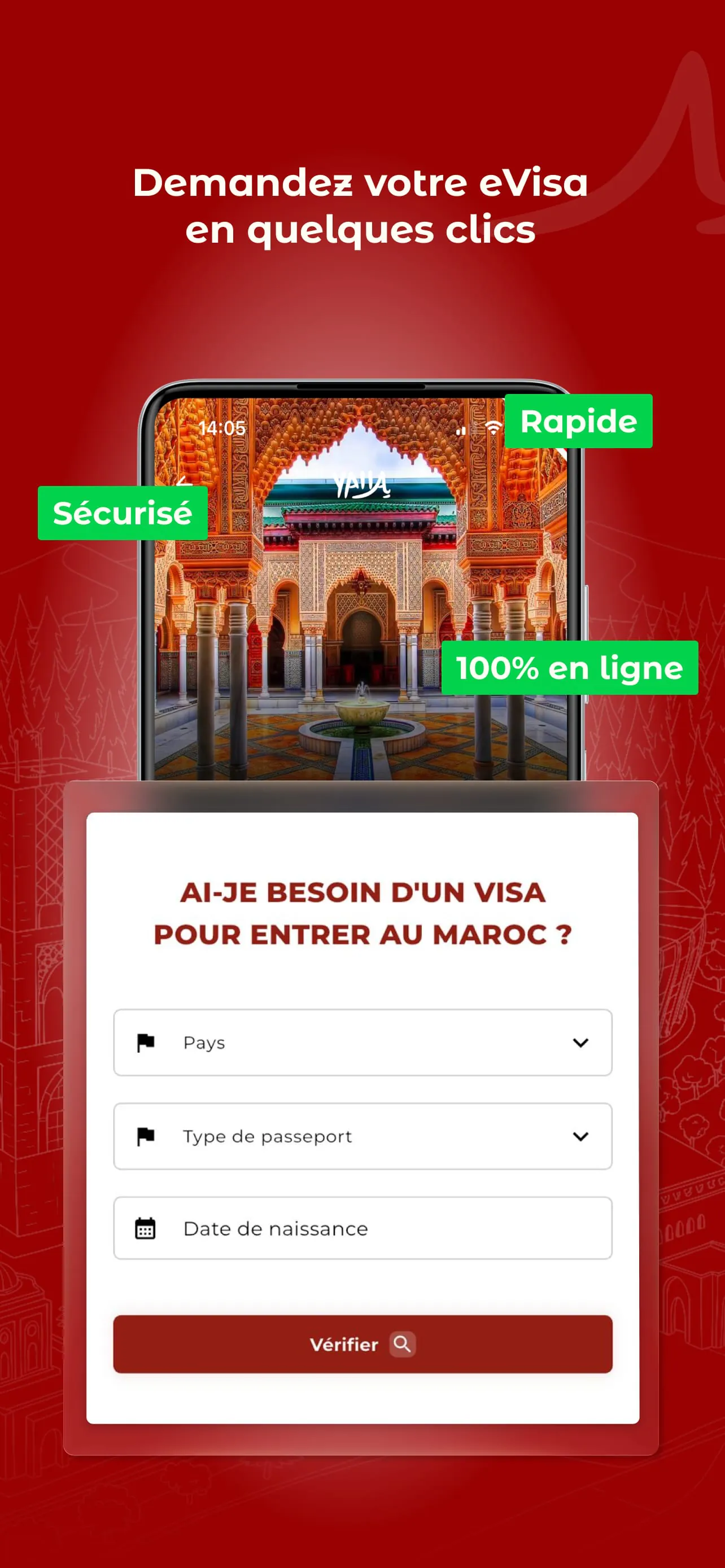
The TotalEnergies Africa Cup of Nations (CAN) 2025 in Morocco is set to be a landmark event, not just for the football on display, but also for the innovative digital ecosystem that has been meticulously crafted to enhance the experience for everyone involved. From passionate supporters and eager visitors to dedicated volunteers and meticulous organizers, the overarching goal is to provide a seamless, fully digitalized journey throughout the competition. This ambitious undertaking recognizes the increasing importance of technology in modern sporting events, aiming to create a more interactive, accessible, and efficient environment for all participants. The cornerstone of this digital transformation is the 'Yalla' application, designed as an indispensable tool for anyone wishing to fully immerse themselves in the CAN 2025 experience and its associated activities. This application is not merely an optional add-on; it serves as the central hub for accessing a wide range of services and information, making it essential for navigating the event effectively. One of the most critical functions of the Yalla application is its role in creating and managing the FAN ID. This FAN ID is mandatory for anyone wishing to gain entry to the stadiums and fan zones, highlighting the application's pivotal role in security and access control. By digitizing the FAN ID process, the organizers aim to streamline entry procedures, reduce waiting times, and improve overall security measures. The application simplifies what could otherwise be a complex and time-consuming process, ensuring that fans can access the venues quickly and efficiently. Furthermore, the Yalla application caters to the needs of international visitors by offering a streamlined process for applying for an e-visa online. This feature is particularly beneficial for fans traveling from countries that require visas to enter Morocco. The application simplifies the application process, providing a user-friendly interface that guides applicants through each step, ensuring they have all the necessary information and documentation. By integrating the e-visa application into the Yalla platform, the organizers are removing potential barriers to entry, encouraging greater participation from international fans. Beyond these core functions, the Yalla application serves as a central repository for all digital services related to the CAN 2025. This includes access to match schedules, team information, venue details, transportation options, and real-time updates. By centralizing these services, the application ensures that users have all the information they need at their fingertips, enhancing their overall experience and allowing them to fully enjoy the tournament. The development of the Yalla application and the broader digital ecosystem represents a significant investment in enhancing the fan experience and streamlining operations for the CAN 2025. This initiative underscores the commitment to leveraging technology to create a more engaging, accessible, and efficient event for all participants. The application's success will depend on its user-friendliness, reliability, and the extent to which it meets the needs of its diverse user base. As the tournament approaches, continuous improvements and updates will be crucial to ensure that the Yalla application remains a valuable and indispensable tool for everyone involved. Ultimately, the goal is to create a digital experience that complements the excitement on the field, leaving a lasting positive impression on all who attend the CAN 2025 in Morocco. The CAN 2025 digital ecosystem aims to improve efficiency, security, and overall satisfaction for all participants, showcasing Morocco's ability to host a world-class sporting event with a strong focus on innovation and technology.
The digital transformation spearheaded by the Yalla application is not merely about convenience; it's about creating a richer, more immersive experience for fans and participants alike. By centralizing essential services and information, the application aims to foster a sense of community and engagement, allowing fans to connect with each other and the event in new and meaningful ways. The integration of the FAN ID system is a prime example of how technology can be used to enhance security and streamline access control. By digitizing the identification process, the organizers can efficiently verify the identity of attendees, prevent unauthorized entry, and create a safer environment for everyone. This is particularly important in large-scale events where security concerns are paramount. The Yalla application simplifies the FAN ID registration process, making it easy for fans to obtain their credentials and access the venues without unnecessary delays. The e-visa application integration is another crucial aspect of the digital ecosystem, demonstrating a commitment to inclusivity and accessibility. By providing a streamlined online application process, the organizers are making it easier for international fans to travel to Morocco and experience the CAN 2025 firsthand. This is particularly important for fans from countries with complex visa requirements. The Yalla application guides applicants through each step of the process, providing clear instructions and ensuring that all necessary documentation is submitted correctly. This reduces the risk of errors and delays, making the visa application process more efficient and less stressful. Beyond the practical benefits of the Yalla application, it also serves as a platform for promoting the CAN 2025 and showcasing Moroccan culture. The application can be used to share information about the host cities, local attractions, and cultural events, encouraging visitors to explore the country and experience its rich heritage. This can help to create a more positive and memorable experience for fans, fostering goodwill and promoting tourism. The success of the digital ecosystem will depend on several factors, including the availability of reliable internet access, the user-friendliness of the Yalla application, and the effectiveness of the communication channels used to promote the application and its features. The organizers will need to ensure that adequate support is provided to users who encounter technical difficulties or have questions about the application. This could include providing online help resources, offering multilingual customer support, and deploying staff to assist fans at the venues. Continuous monitoring and evaluation will be essential to identify areas for improvement and ensure that the digital ecosystem is meeting the needs of its users. This could involve collecting feedback from fans, analyzing application usage data, and conducting user testing. The lessons learned from the CAN 2025 can be used to inform the development of future digital ecosystems for other sporting events and large-scale gatherings. The CAN 2025 digital ecosystem represents a significant investment in enhancing the fan experience and promoting Morocco as a modern, technologically advanced nation. By embracing innovation and leveraging technology, the organizers are setting a new standard for sporting events and creating a lasting legacy for the CAN 2025.
Looking beyond the immediate benefits of the CAN 2025, the digital infrastructure being developed has the potential to leave a lasting positive impact on Morocco's technology landscape. The expertise gained from building and managing this complex ecosystem can be applied to other sectors, driving innovation and economic growth. The Yalla application itself could be adapted and used for other events, such as conferences, festivals, and cultural celebrations. This would allow the organizers to leverage their investment and create a sustainable platform for promoting tourism and showcasing Moroccan culture. Furthermore, the data collected through the Yalla application can be used to gain valuable insights into the behavior and preferences of fans and visitors. This information can be used to improve the planning and execution of future events, personalize the fan experience, and develop targeted marketing campaigns. The digital ecosystem also has the potential to create new business opportunities for local companies. This could include developing mobile applications, providing IT support services, and creating digital content for the CAN 2025. The organizers can support these businesses by providing training, mentorship, and access to funding. In addition to the economic benefits, the digital ecosystem can also contribute to social development. By providing access to information and services through mobile devices, the organizers can empower citizens and promote digital inclusion. This is particularly important in rural areas where access to traditional services may be limited. The Yalla application could be used to provide information about healthcare, education, and government services, improving the quality of life for citizens in these areas. The success of the CAN 2025 digital ecosystem will depend on the collaboration of various stakeholders, including government agencies, private companies, and civil society organizations. The organizers will need to foster a spirit of partnership and create a supportive environment for innovation. This could involve establishing public-private partnerships, providing grants and incentives for research and development, and creating a regulatory framework that encourages innovation. As the CAN 2025 approaches, it is important to continue to promote the digital ecosystem and encourage fans and visitors to use the Yalla application. This could involve launching marketing campaigns, providing training sessions, and deploying staff to assist users at the venues. Continuous monitoring and evaluation will be essential to ensure that the digital ecosystem is meeting the needs of its users and achieving its objectives. This could involve collecting feedback from fans, analyzing application usage data, and conducting user testing. The CAN 2025 digital ecosystem is more than just a collection of technologies; it is a vision for a smarter, more connected future for Morocco. By embracing innovation and leveraging technology, the organizers are creating a lasting legacy that will benefit the country for years to come. The successful implementation of this digital ecosystem will not only enhance the experience of the CAN 2025 but also serve as a model for other sporting events and large-scale gatherings around the world. The commitment to digital transformation underscores Morocco's ambition to be a leader in technology and innovation, further solidifying its position on the global stage.
Screenshots
 Download
 Additional Information
Category
EventsVersion
Unknown
Tag
Digital Experience | CAN 2025 | Yalla App | FAN ID | e-visa
Rate
2.30
★★★★★
Reviews
500 +
Installs
500k +
Developer
FRMF – Fédération Royale Marocaine de Football
Content Rating
Everyone
Fan ID and E-visa for the TotalEnergies 2025 Africa Cup of Nations in Morocco
Previous Versions
ZIP files require a Split APKs Installer (e.g., SAI) from Google Play to install. Steps: 1. Download SAI from Google Play; 2. Open SAI and tap "Install APKs"; 3. Select the ZIP file; 4. Complete installation.
You Might Like