The core concept revolves around a 'Sandwich Runner' game where the player collects ingredients en route to a designated goal. The height or challenge associated with reaching this goal is directly influenced by the ingredients that the player chooses to pick up along the way. The central premise is that a sandwich will be consumed upon reaching the goal, and the reaction of the person eating the sandwich will vary significantly depending on the composition of the ingredients. This creates a dynamic and engaging gameplay loop where player choices have immediate and noticeable consequences. The quality of the ingredients is paramount, as the text explicitly states that 'bad ingredients makes eater sick,' introducing a risk-reward element to the selection process. This could manifest in various ways, such as reduced player performance, temporary debuffs, or even a complete failure to complete the level. Conversely, good ingredients could provide benefits, such as increased speed, improved health, or special abilities. The specific effects of the ingredients could be tied to their real-world properties, adding a layer of educational value to the game. For instance, ingredients rich in vitamins could provide a temporary health boost, while those high in sugar could lead to a short burst of speed followed by a crash. The element of surprise is also key, as the player may not always know the exact consequences of choosing a particular ingredient. This encourages experimentation and strategic decision-making. The game could also incorporate a crafting system, where players can combine ingredients to create unique sandwich recipes with specific effects. The complexity of the ingredients could range from basic components like bread, lettuce, and tomato to more exotic options such as rare spices, imported cheeses, and unusual meats. The game could also feature different types of bread, each with its own properties and effects. For example, whole wheat bread could provide a longer-lasting energy boost, while sourdough bread could have a slightly sour taste that affects the eater's mood. The visual representation of the ingredients could also be a significant factor in the game's appeal. The ingredients could be rendered in a realistic style, with detailed textures and vibrant colors. Alternatively, they could be stylized or cartoonish to create a more whimsical atmosphere. The game could also incorporate a nutritional information display, providing players with details about the calorie content, macronutrient breakdown, and vitamin and mineral composition of each ingredient. This could be a subtle way to promote healthy eating habits and raise awareness about the importance of a balanced diet. The overall tone of the game appears to be lighthearted and humorous, with a focus on fun and experimentation. The 'Sandwich Runner' concept has the potential to be a highly engaging and addictive experience, particularly if the ingredient effects are well-balanced and the gameplay is challenging but fair. The game could also be designed with multiplayer functionality, allowing players to compete against each other to create the most delicious or most outlandish sandwich possible.
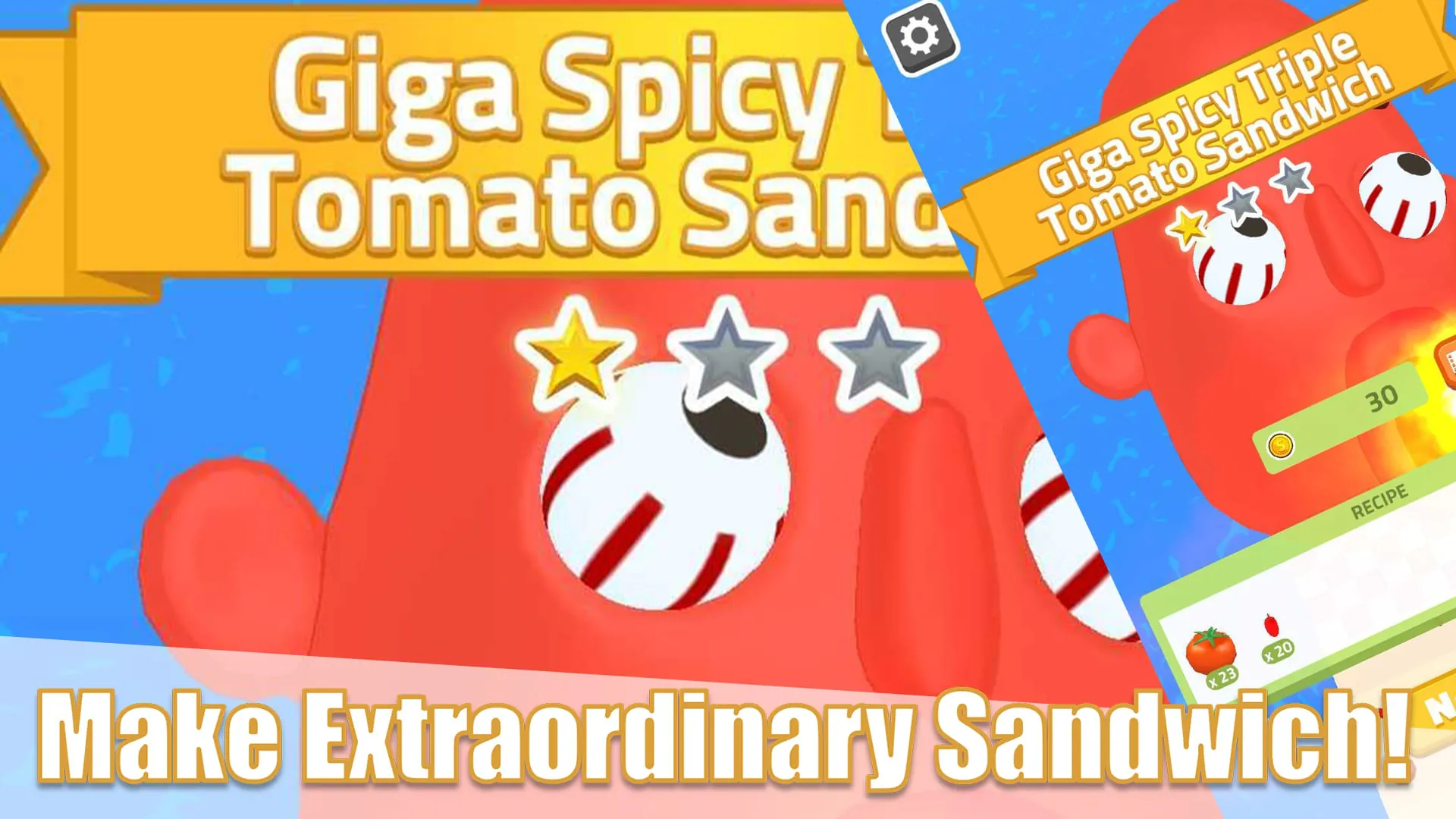
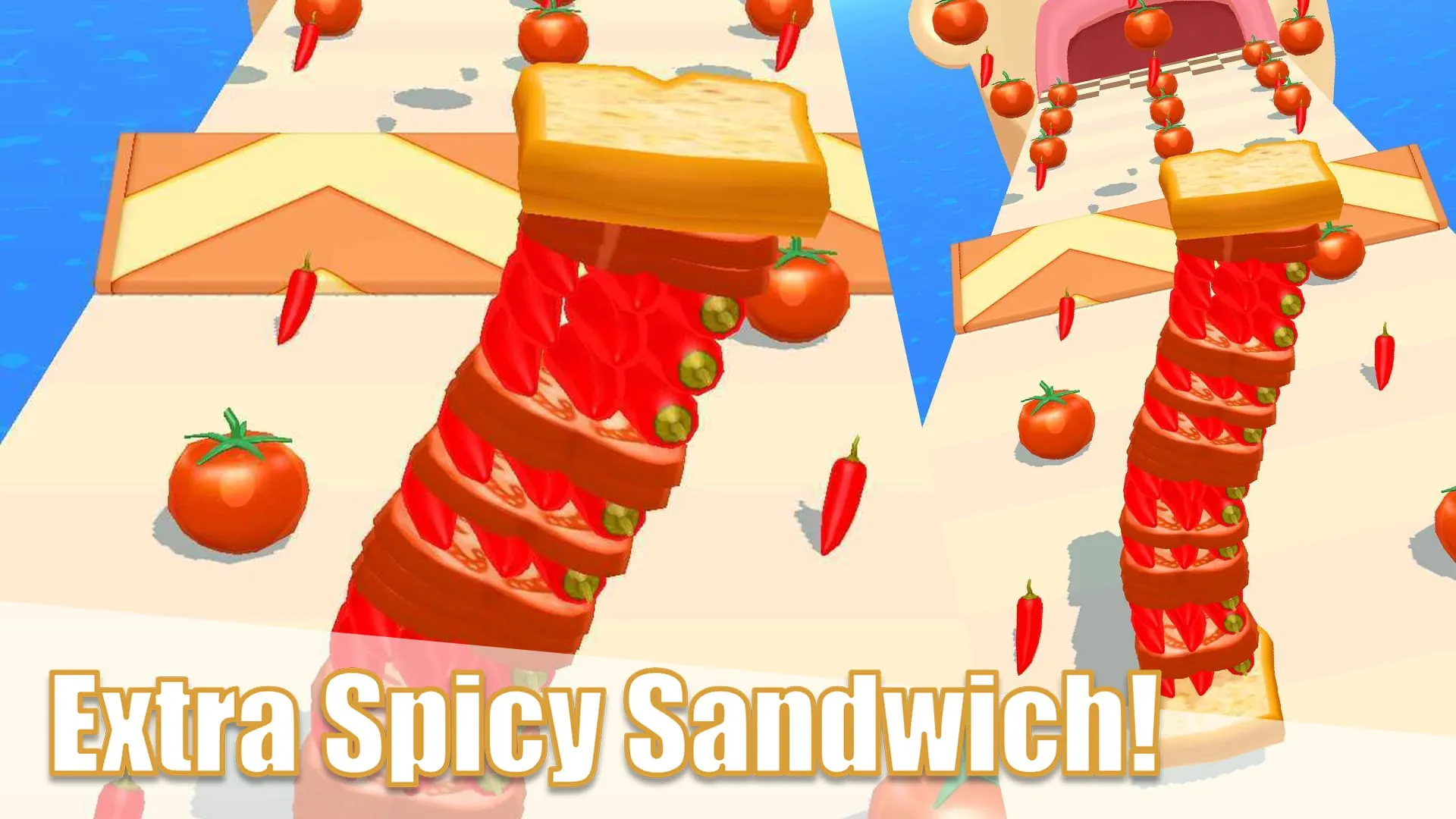
The text highlights a particularly interesting reaction to one specific ingredient: 'Red pepper makes eater breathe fire!' This detail adds a layer of fantastical humor to the game and suggests that the ingredient effects can be quite dramatic and unexpected. The fire-breathing effect could be purely visual, or it could have gameplay implications, such as damaging enemies or clearing obstacles. The red pepper effect could also be temporary, lasting only for a few seconds after the sandwich is consumed. The game could also incorporate a visual indicator to show when the player is about to breathe fire, such as a fiery aura around the character's mouth. The red pepper could also have a negative side effect, such as causing the eater to overheat and temporarily lose control. The fire-breathing effect could also be used strategically, such as to melt ice blocks or ignite explosive barrels. The game could also feature different types of red peppers, each with its own unique fire-breathing properties. For example, a habanero pepper could cause a more intense but shorter-lasting flame, while a ghost pepper could produce a wider but less powerful stream of fire. The visual design of the red peppers could also be varied, with different shapes, sizes, and colors. The game could also incorporate a heat meter, which tracks the eater's internal temperature. Eating too many spicy ingredients could cause the heat meter to rise, leading to negative consequences such as overheating or dehydration. The game could also feature water sources, which can be used to cool down the eater and reduce the heat meter. The red pepper effect could also be combined with other ingredient effects to create unique and unexpected results. For example, combining red pepper with ice cream could result in a flavor explosion, while combining it with chocolate could create a sweet and spicy treat. The game could also feature a recipe book, which provides players with information about different ingredient combinations and their effects. The recipe book could also be used to track the player's progress and unlock new ingredients. The game could also incorporate a social element, allowing players to share their favorite sandwich recipes with friends and other players. The 'Sandwich Runner' game has the potential to be a highly creative and engaging experience, with a wide range of possibilities for ingredient combinations and gameplay mechanics. The humorous tone and the unexpected ingredient effects could appeal to a wide audience, from casual gamers to hardcore enthusiasts. The game could also be adapted to different platforms, such as mobile devices, consoles, and PCs. The game could also be monetized through in-app purchases, such as new ingredients, recipes, and customization options. The game could also be supported by advertising, such as banner ads or video ads.
In essence, the game design appears to be centered on player agency and emergent gameplay. The simple act of 'picking up ingredients' becomes a crucial decision-making point, influencing not only the difficulty of reaching the goal but also the immediate and tangible outcome in the form of the eater's reaction. The variability in these reactions, ranging from positive effects to sickness and even fire-breathing, ensures that the game remains unpredictable and engaging. This framework allows for a wide range of content to be incorporated, from different ingredient types and effects to various level designs and challenges. The game could also incorporate a scoring system, which rewards players for creating the most delicious, most outlandish, or most strategically advantageous sandwich. The scoring system could also take into account the difficulty of reaching the goal, the rarity of the ingredients, and the overall aesthetic appeal of the sandwich. The game could also feature daily challenges, which task players with creating specific types of sandwiches or achieving certain goals. The daily challenges could be a good way to keep players engaged and coming back for more. The game could also incorporate a leaderboard, which ranks players based on their scores and achievements. The leaderboard could be a good way to foster competition and encourage players to improve their skills. The game could also feature a replay system, which allows players to watch recordings of their previous runs. The replay system could be a good way to learn from mistakes and discover new strategies. The game could also incorporate a tutorial mode, which introduces new players to the game's mechanics and features. The tutorial mode could be designed to be engaging and informative, providing players with the information they need to succeed. The game could also be localized into different languages, making it accessible to a wider audience. The localization process should be carefully managed to ensure that the game's tone and humor are preserved. The game could also be adapted to different cultural contexts, taking into account local customs and preferences. The 'Sandwich Runner' game has the potential to be a highly successful and innovative title, with a unique blend of gameplay mechanics, humor, and creativity. The game's simple premise and engaging gameplay loop could appeal to a wide audience, while its depth and complexity could provide a challenge for even the most experienced gamers. The game's potential for expansion and customization could ensure its long-term success and keep players coming back for more.





 APK
APK  Google Play
  iOS
iOS  4.10
4.10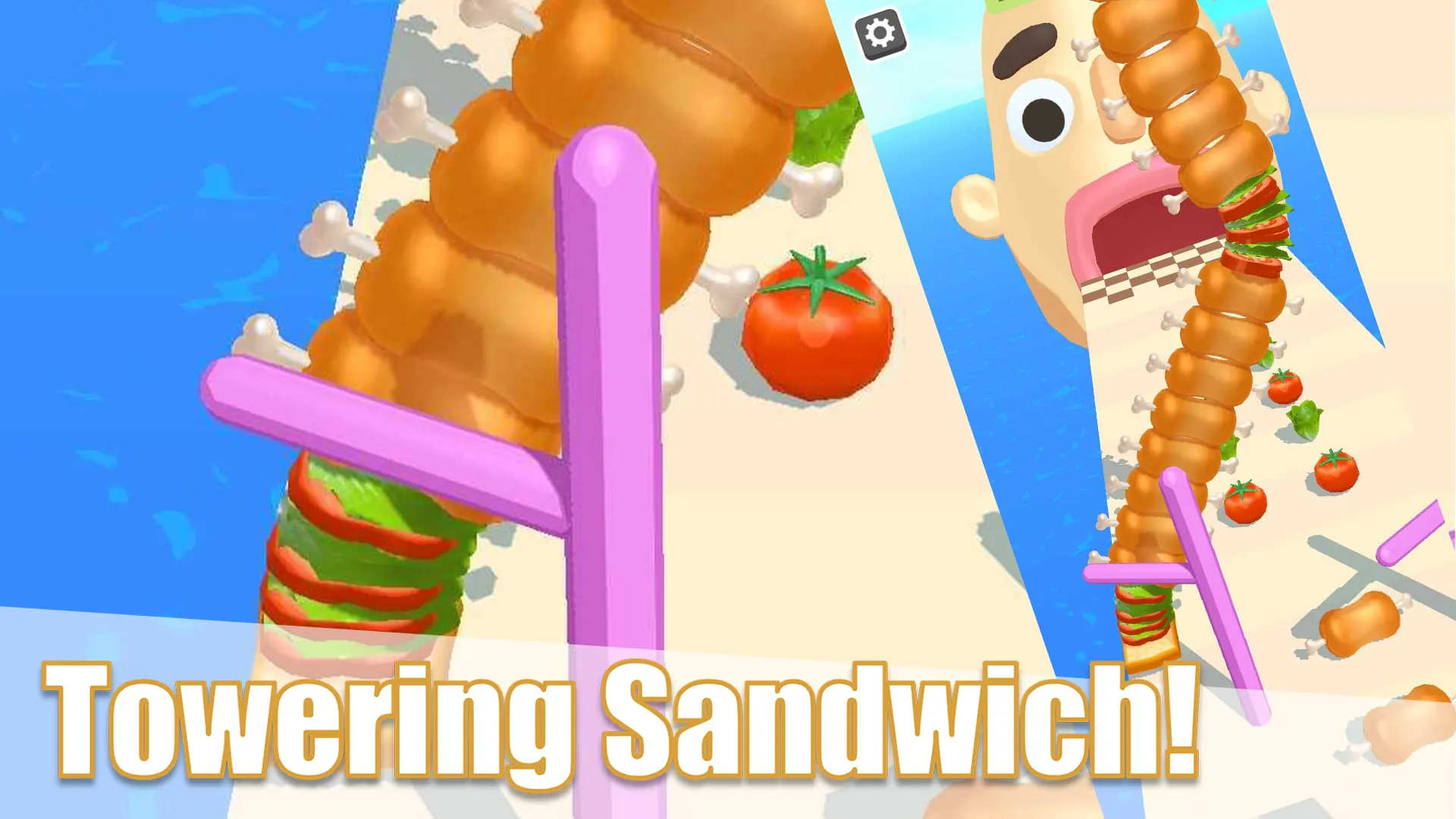

 Download