


ADVERTISEMENT
ADVERTISEMENT

I Am Monkey I Am Monkey
Category
SimulationTag
VR experience | zoo monkey | interactive sandbox | visitor behavior | immersive gameplay
Rate
4.70
★★★★★
Reviews
500 +
Installs
10M +
Developer
Estoty
Content Rating
Everyone
In I Am Monkey you live behind bars, but your world is full of choices.
 APK
APK  Google Play
  iOS
iOS  4.70
4.70ADVERTISEMENT
ADVERTISEMENT
Author's Review
appspicked Review
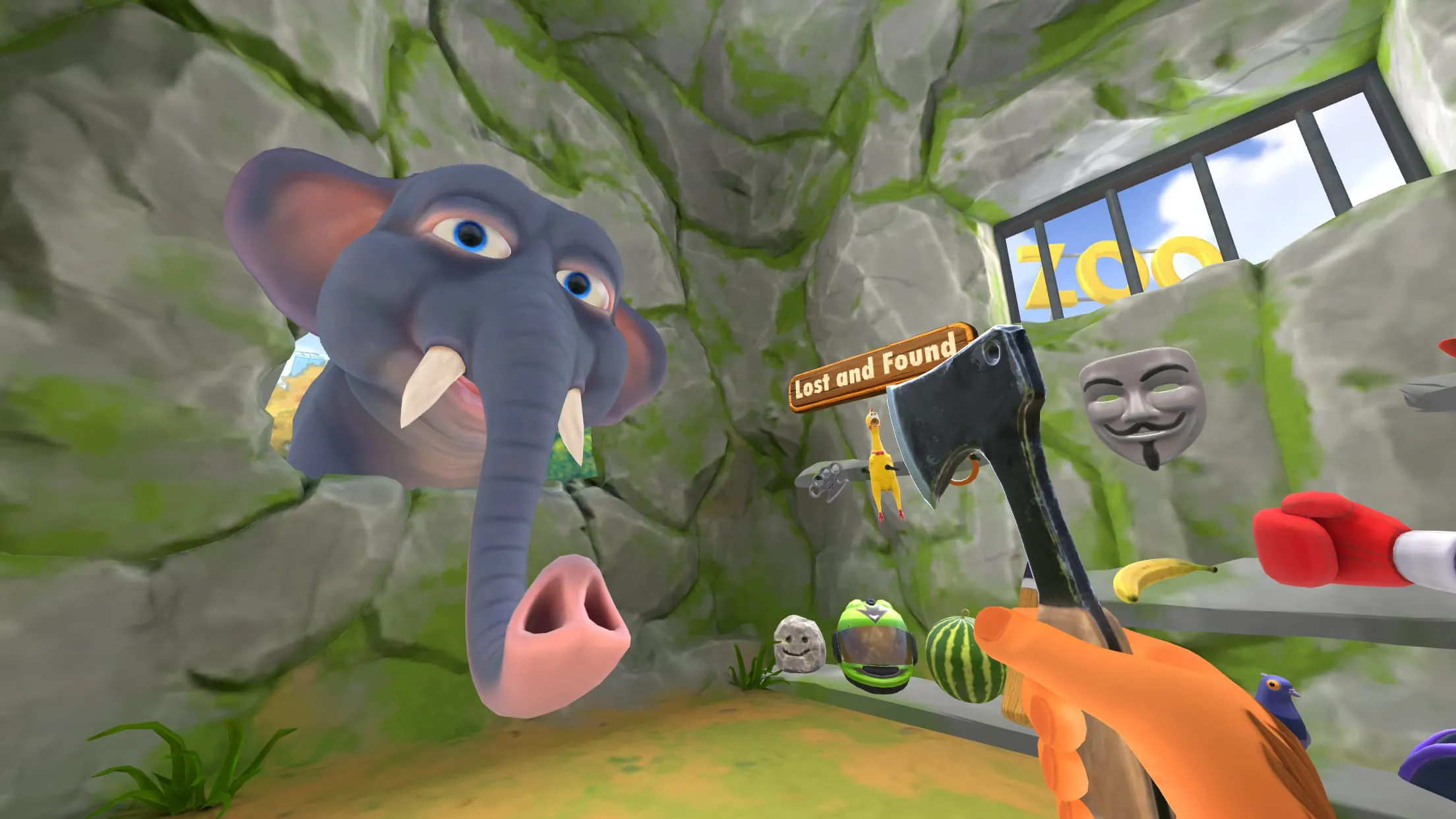
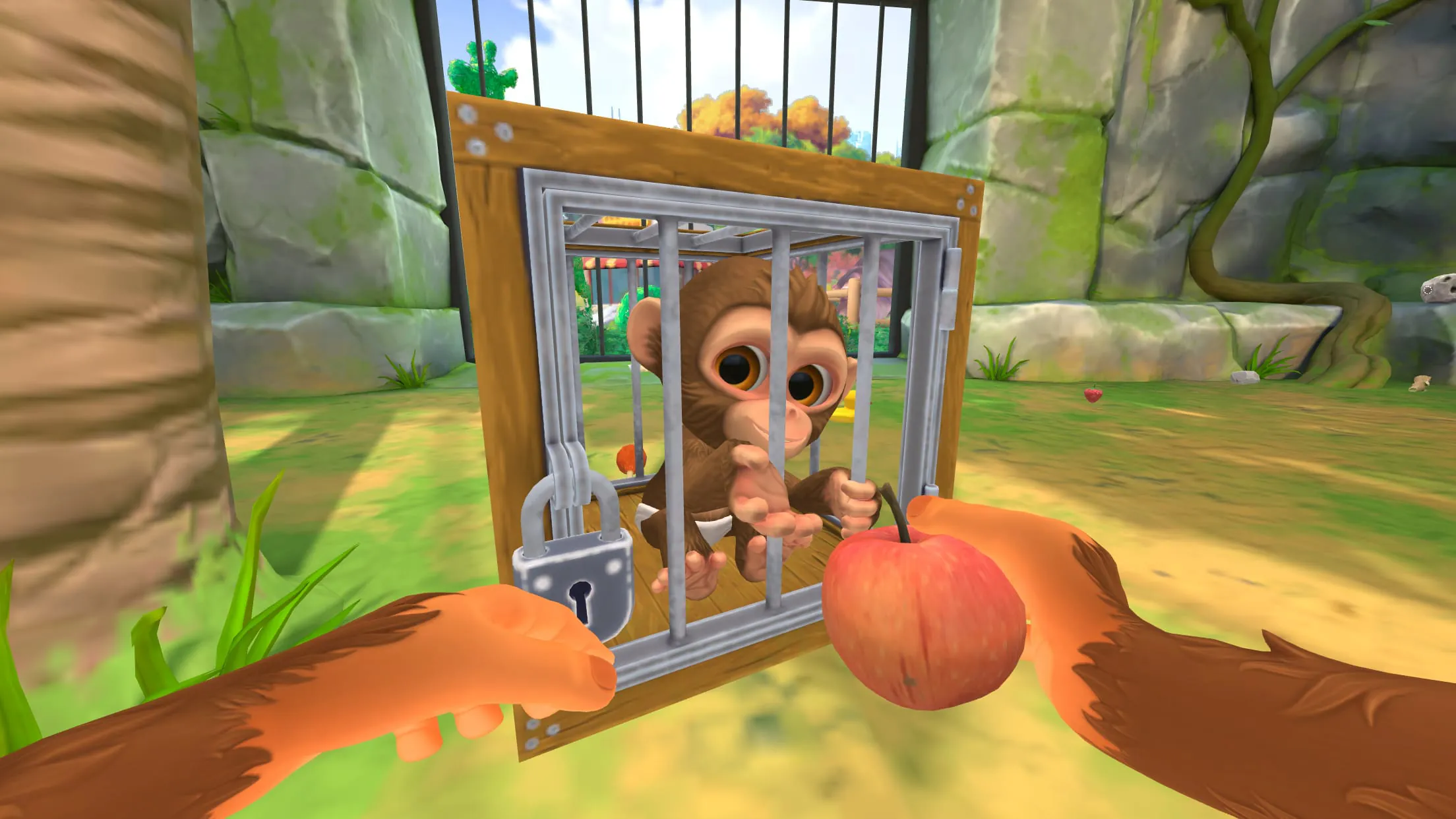
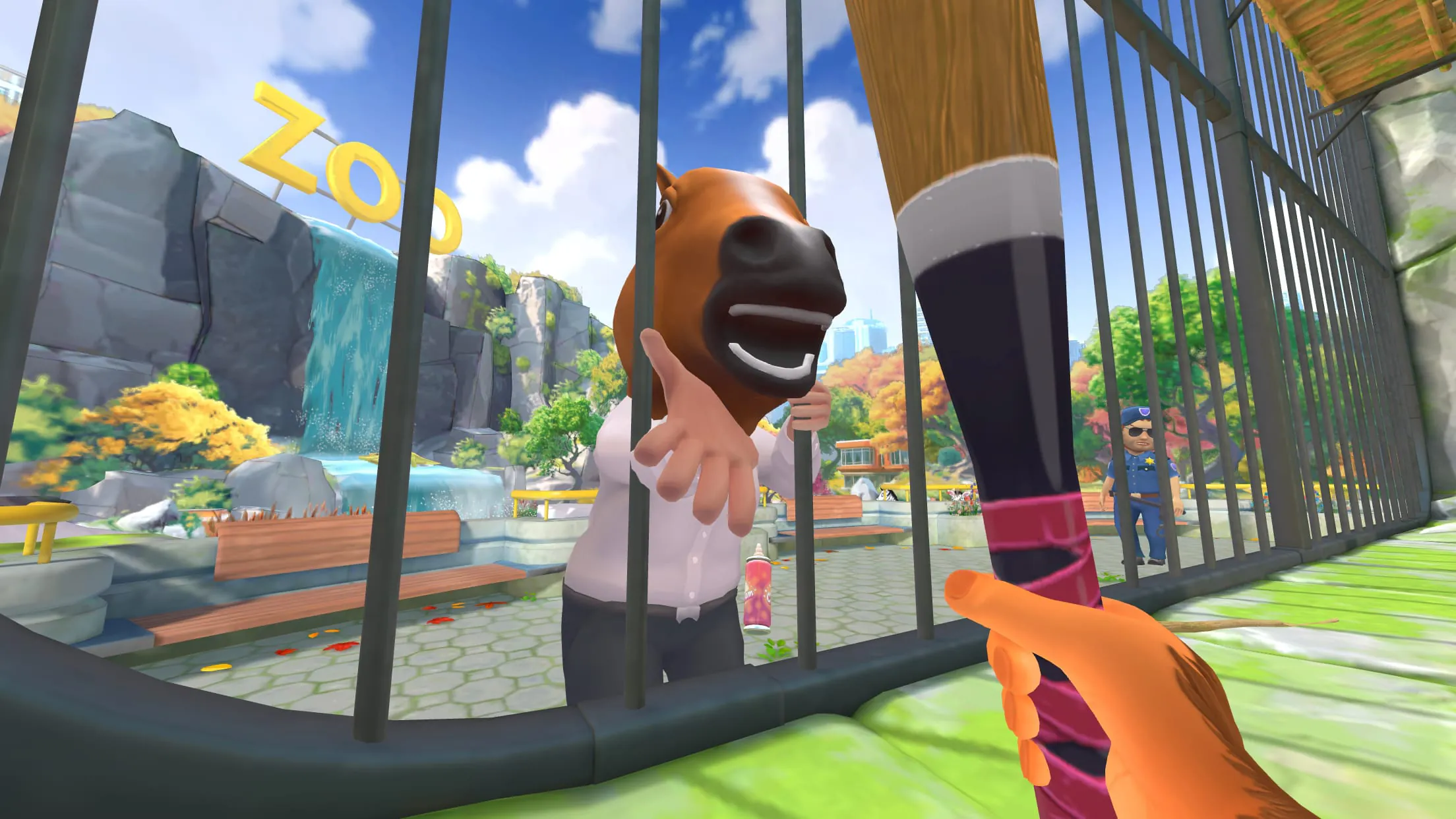
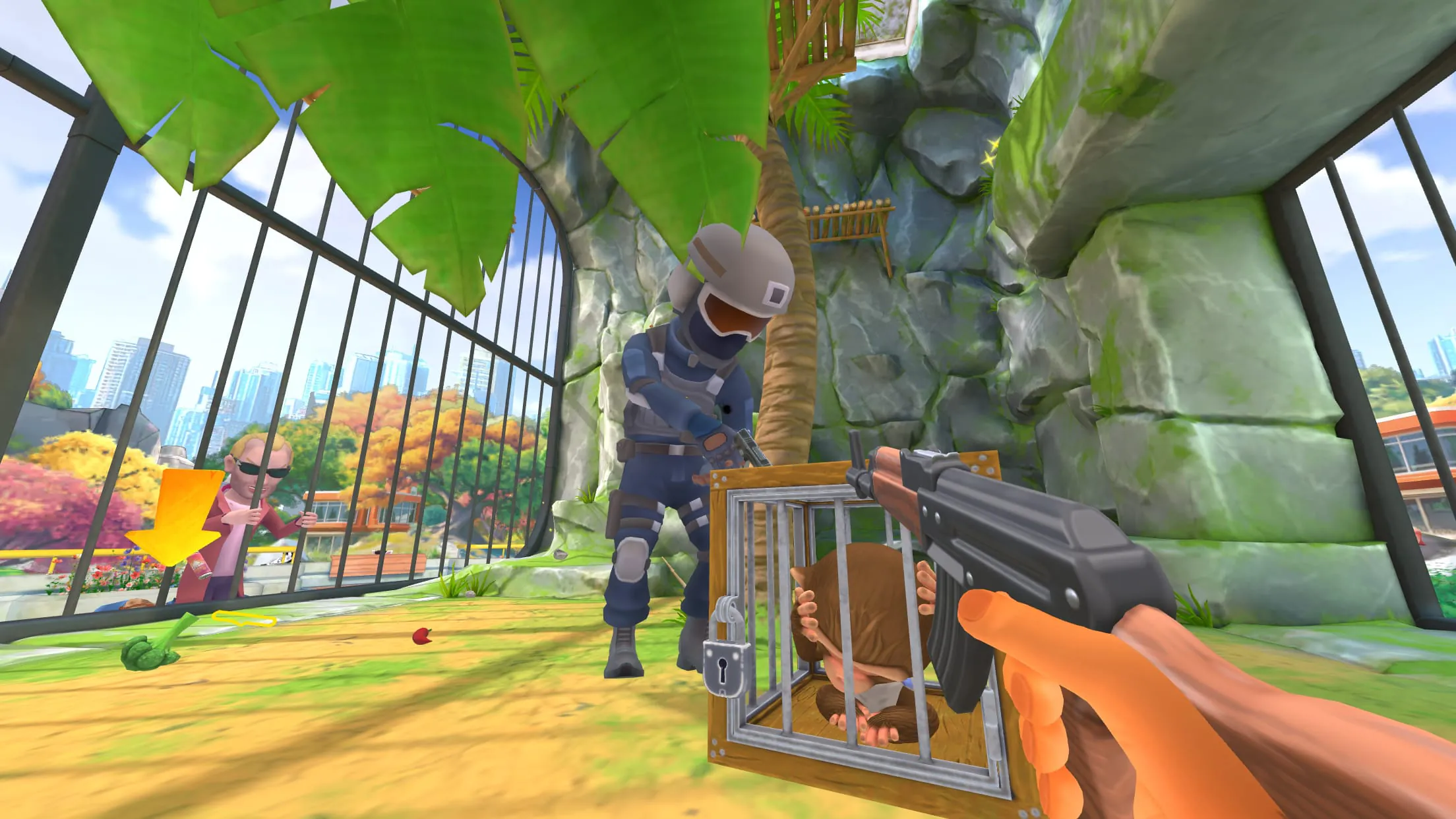
I Am Monkey presents a captivating adaptation of a popular VR experience, immersing players in the life of a zoo monkey confined within its cage. This interactive environment transforms the zoo space into a dynamic playground where the monkey's interactions with visitors drive the narrative. The game distinguishes itself through its detailed simulation of the zoo environment, allowing players to fully inhabit the role of the monkey. Every aspect of the cage, from the bars and floor to the various gifts offered by visitors, is rendered with high fidelity and interactivity, ensuring that each gaming session feels unique and unpredictable. The visitors themselves are a diverse group, each with their own distinct personalities and behaviors. Some approach the monkey with kindness and generosity, while others are noisy, mocking, or even aggressive. These varied encounters significantly influence the atmosphere of the cage, creating moments that range from lighthearted comedy to intense tension. Players, as the monkey, have the ability to respond to these interactions in various ways, choosing to charm, ignore, or resist the advances of the visitors. This element of choice adds depth to the gameplay, allowing players to shape the story of their little monkey in meaningful ways. The game leverages the power of VR to create a truly immersive experience. By placing players directly into the perspective of the zoo animal, I Am Monkey offers a unique and thought-provoking glimpse into the life of a captive creature. The sandbox nature of the game further enhances the immersive quality, allowing players to experiment with different interactions and behaviors without being constrained by a rigid storyline. This freedom to explore and interact with the environment encourages creativity and fosters a deeper connection with the virtual world. The gameplay mechanics are designed to be both engaging and intuitive. Players can grab, eat, or throw objects such as bananas and cameras, further enhancing the interactive nature of the experience. They can also manipulate their environment, interacting with the bars, floor, and gifts in ways that impact the overall atmosphere of the cage. This high level of interactivity, combined with the unpredictable behavior of the visitors, ensures that each session is filled with surprises and unexpected moments. The game masterfully blends humor and tension, creating a dynamic and emotionally resonant experience. The playful interactions with the visitors are often humorous, while the more aggressive encounters can generate a sense of unease and tension. This careful balance of emotions keeps players engaged and invested in the story of their little monkey. Ultimately, I Am Monkey is more than just a game; it is an interactive experience that explores themes of captivity, freedom, and the human-animal relationship. By immersing players in the life of a zoo monkey, the game encourages them to reflect on these important issues and to consider the ethical implications of keeping animals in captivity. The game's unique blend of immersive gameplay, sandbox interactivity, and thought-provoking themes makes it a standout title in the VR landscape. It is a game that will stay with players long after they have taken off their headsets, prompting them to contemplate the complex relationship between humans and animals in a new and profound way. The game mechanics are expertly designed to maximize the sense of immersion and agency, allowing players to truly feel like they are living the life of a zoo monkey. The attention to detail in the rendering of the cage environment, the realistic behaviors of the visitors, and the responsive controls all contribute to the overall sense of presence. This level of immersion is crucial to the game's ability to evoke empathy and understanding in the player, encouraging them to connect with the virtual monkey on an emotional level.
The interactive elements of I Am Monkey are a cornerstone of its appeal, transforming the zoo enclosure into a vibrant, reactive space. Objects like bananas, cameras, and other items donated by visitors are not mere window dressing; they are integral to the gameplay, offering a range of possibilities for interaction. The monkey can seize these items, consume them, or even hurl them, turning the mundane act of living in a cage into a dynamic, engaging experience. This interactivity extends to the very structure of the cage itself. The bars, the floor, and every offering from the visitors are designed to respond to the monkey's actions, creating a constantly evolving environment. This level of detail ensures that each session feels fresh and alive, as the player explores the myriad ways in which they can manipulate their surroundings. The unpredictable behavior of the visitors further enhances the interactive nature of the game. Each visitor arrives with their own unique personality and set of expectations, leading to encounters that can range from heartwarming to unsettling. The monkey's reactions to these visitors, whether charming, ignoring, or resisting, shape the narrative and create a sense of agency within the confines of the cage. This interplay between the monkey and the visitors is a key element of the gameplay, driving the story forward and creating moments of both comedy and tension. The game's sandbox design allows for a high degree of player freedom, encouraging experimentation and exploration. There are no predetermined goals or objectives, allowing players to create their own stories within the confines of the zoo. This open-ended approach to gameplay fosters creativity and encourages players to think outside the box, discovering new ways to interact with their environment and the visitors. The ability to grab visitors' objects, or even the visitors themselves, adds another layer of interactivity to the game. This feature allows players to push the boundaries of what is possible within the game world, creating unexpected and often humorous scenarios. However, it also raises ethical questions about the treatment of animals in captivity, as players are forced to confront the power dynamics inherent in the zoo environment. The game's interactive elements are not just about fun and games; they are also about creating a sense of empathy and understanding. By allowing players to fully embody the role of the zoo monkey, I Am Monkey encourages them to consider the animal's perspective and to reflect on the ethical implications of keeping animals in captivity. This thoughtful approach to gameplay sets I Am Monkey apart from other VR experiences, making it a truly memorable and thought-provoking title. The attention to detail in the design of the interactive elements is remarkable, creating a world that feels both realistic and engaging. The responsiveness of the environment, the varied behaviors of the visitors, and the freedom to experiment all contribute to the overall sense of immersion. This level of interactivity is crucial to the game's success, allowing players to truly connect with the virtual monkey and to experience the world from its perspective. The constant stream of new objects and interactions keeps the gameplay fresh and exciting, ensuring that players will want to return to the cage again and again. The game's ability to seamlessly blend humor, tension, and thought-provoking themes is a testament to its clever design and execution. The interactive elements are not just about providing entertainment; they are about creating a meaningful and impactful experience that will stay with players long after they have taken off their headsets.
I Am Monkey transcends the typical gaming experience by offering a sandbox environment rich with possibilities, blending playful amusement with profound, thought-provoking interactions. The game's strength lies in its ability to create a space where players can explore the nuances of captivity, freedom, and the multifaceted relationship between humans and animals. As the monkey, players are not confined to a linear storyline but are instead empowered to shape their own narrative through interactions with a diverse cast of visitors. Each visitor presents a unique persona, ranging from those who are kind and compassionate to others who exhibit mockery or aggression. These encounters significantly impact the atmosphere within the cage, generating moments of levity, disorder, and suspense. The game's physics engine and object interaction system amplify the sense of immersion, allowing players to manipulate objects such as bananas, cameras, and other items left by visitors. These objects can be grabbed, eaten, or thrown, adding another layer of depth to the gameplay. Moreover, the environment itself is highly interactive, with the bars, floor, and gifts from visitors all responding dynamically to the monkey's actions. This creates a sense of presence and allows players to feel truly connected to their virtual surroundings. The game mechanics are designed to encourage experimentation and creativity. Players are free to explore the limits of their environment and to discover new ways to interact with the visitors. This open-ended approach to gameplay fosters a sense of ownership and encourages players to develop their own unique strategies for navigating the challenges of captivity. The game's blend of humor and tension is particularly effective. The playful interactions with some visitors can lead to moments of genuine amusement, while the more hostile encounters can create a palpable sense of unease. This emotional range keeps players engaged and invested in the monkey's story. Furthermore, the game subtly raises ethical questions about the treatment of animals in captivity. By placing players in the role of the monkey, I Am Monkey encourages them to consider the animal's perspective and to reflect on the moral implications of keeping animals in zoos. This thoughtful approach to gameplay sets I Am Monkey apart from other VR experiences, making it a truly memorable and impactful title. The game's sandbox interactivity is not just about providing entertainment; it is about creating a space for exploration, discovery, and reflection. The ability to experiment with different interactions and behaviors allows players to learn about themselves and the world around them. The game's open-ended nature encourages creativity and problem-solving, while its ethical themes promote empathy and understanding. Ultimately, I Am Monkey is a game that will stay with players long after they have taken off their headsets. Its unique blend of immersive gameplay, sandbox interactivity, and thought-provoking themes makes it a standout title in the VR landscape. The game's ability to evoke empathy and understanding in the player is particularly noteworthy. By allowing players to fully embody the role of the zoo monkey, I Am Monkey encourages them to consider the animal's perspective and to reflect on the ethical implications of keeping animals in captivity. This thoughtful approach to gameplay sets I Am Monkey apart from other VR experiences, making it a truly memorable and impactful title. The constant stream of new objects and interactions keeps the gameplay fresh and exciting, ensuring that players will want to return to the cage again and again. The game's ability to seamlessly blend humor, tension, and thought-provoking themes is a testament to its clever design and execution.
Screenshots
 Download
 Additional Information
Category
SimulationVersion
Unknown
Tag
VR experience | zoo monkey | interactive sandbox | visitor behavior | immersive gameplay
Rate
4.70
★★★★★
Reviews
500 +
Installs
10M +
Developer
Estoty
Content Rating
Everyone
In I Am Monkey you live behind bars, but your world is full of choices.
ADVERTISEMENT
ADVERTISEMENT
Previous Versions
ZIP files require a Split APKs Installer (e.g., SAI) from Google Play to install. Steps: 1. Download SAI from Google Play; 2. Open SAI and tap "Install APKs"; 3. Select the ZIP file; 4. Complete installation.
ADVERTISEMENT
You Might Like