


ADVERTISEMENT
ADVERTISEMENT

PAC PAC
Category
ArcadeVersion
V2.1.1
Tag
pac | maze | pacman
Rate
4.20
★★★★★
Reviews
500 +
Installs
10M +
Developer
BANDAI NAMCO Entertainment Europe
Content Rating
Everyone
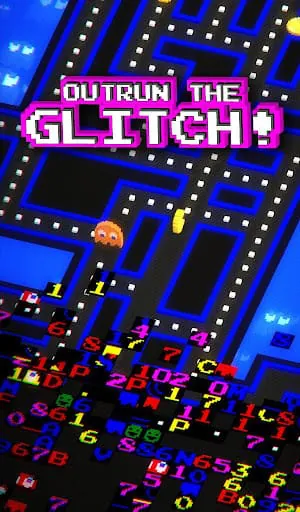
From the creators of Crossy Road, PAC-MAN 256 is the maze that never ends.
 APK
APK  Google Play
  iOS
iOS  4.20
4.20ADVERTISEMENT
ADVERTISEMENT
Author's Review
appspicked Review
Screenshots



Additional Information
Category
ArcadeVersion
V2.1.1
Tag
pac | maze | pacman
Rate
4.20
★★★★★
Reviews
500 +
Installs
10M +
Developer
BANDAI NAMCO Entertainment Europe
Content Rating
Everyone
From the creators of Crossy Road, PAC-MAN 256 is the maze that never ends.
ADVERTISEMENT
ADVERTISEMENT
Previous Versions
ZIP files require a Split APKs Installer (e.g., SAI) from Google Play to install. Steps: 1. Download SAI from Google Play; 2. Open SAI and tap "Install APKs"; 3. Select the ZIP file; 4. Complete installation.
V2.1.1

Package Name
eu.bandainamcoent.pacman256
Version Name
V2.1.1
Version Code
V2.1.1
File Size
69.84 MB
Update time
2024-1-21
V2.1.0
Package Name
eu.bandainamcoent.pacman256
Version Name
V2.1.0
Version Code
V2.1.0
File Size
69.96 MB
Update time
2023-11-27
V1.4.0
Package Name
eu.bandainamcoent.pacman256
Version Name
V1.4.0
Version Code
V1.4.0
File Size
41.7 MB
Update time
2016-4-26
V1.3.0
Package Name
eu.bandainamcoent.pacman256
Version Name
V1.3.0
Version Code
V1.3.0
File Size
35.6 MB
Update time
2016-3-22
V1.2.1
Package Name
eu.bandainamcoent.pacman256
Version Name
V1.2.1
Version Code
V1.2.1
File Size
29.6 MB
Update time
2016-2-1
ADVERTISEMENT
You Might Like