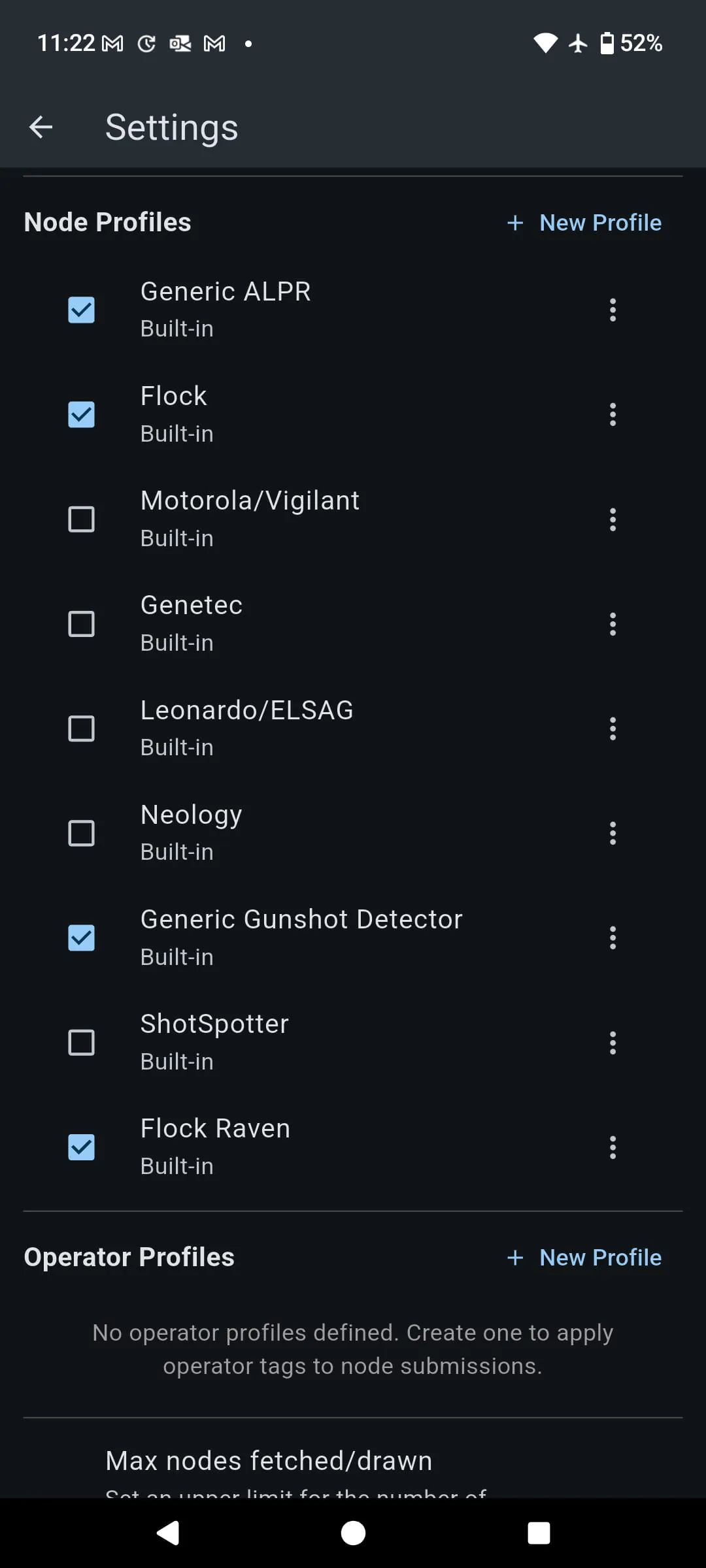
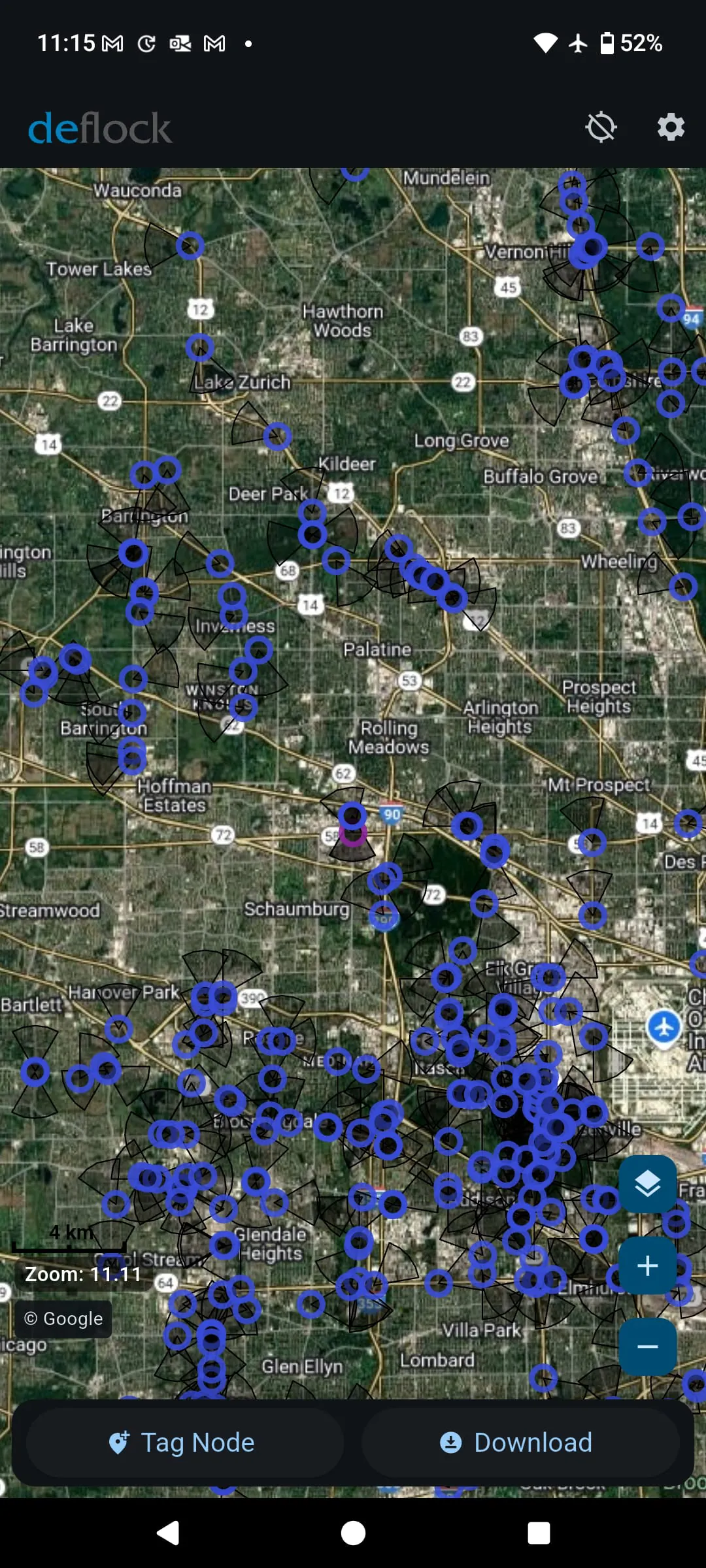
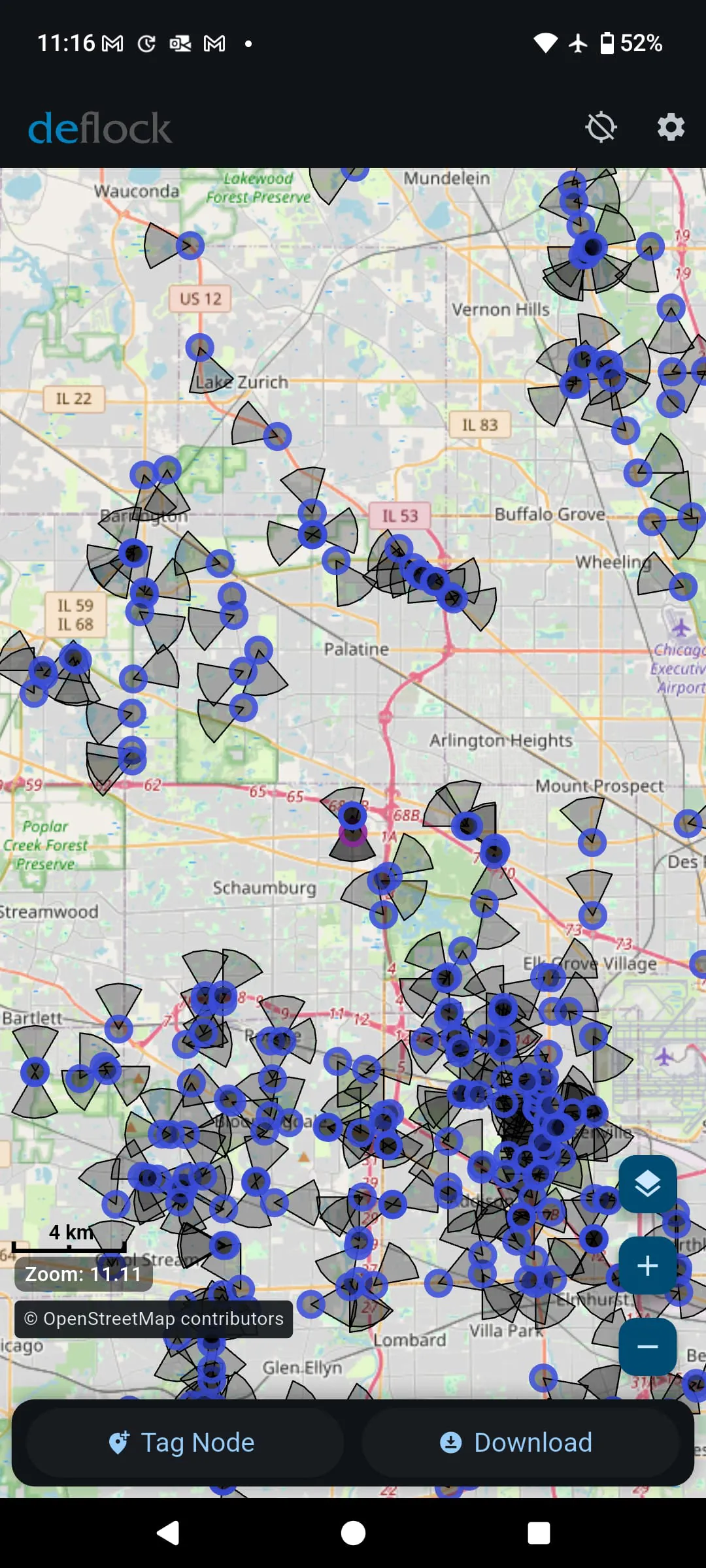
DeFlock emerges as a pivotal tool in the evolving landscape of surveillance technology, designed to empower individuals with knowledge and control over the pervasive presence of automated license plate readers (ALPRs) and other surveillance infrastructure in their communities. The core mission of DeFlock is to illuminate the widespread deployment of ALPR technology, an increasingly ubiquitous form of surveillance that often operates with minimal public awareness or understanding. These systems, which automatically capture and record license plate data, raise significant concerns about personal privacy and civil liberties. DeFlock directly addresses these concerns by providing a user-friendly platform that allows individuals to discover, report, and map the locations of ALPRs and other surveillance devices. This transparency is crucial in fostering informed public discourse and enabling communities to make informed decisions about the balance between security and privacy. The application's functionality extends beyond simply identifying ALPRs; it also encompasses a broader range of surveillance technologies, including AI-powered surveillance cameras and gunshot detectors. By mapping these devices, DeFlock paints a comprehensive picture of the surveillance landscape, allowing users to understand the extent to which they are being monitored in their daily lives. This heightened awareness can empower individuals to take steps to protect their privacy, advocate for responsible surveillance practices, and engage in informed discussions with policymakers and community leaders. The user interface of DeFlock is designed to be intuitive and accessible, ensuring that individuals with varying levels of technical expertise can easily navigate the application and contribute to the community-driven mapping effort. The reporting feature allows users to document the presence of new surveillance devices, adding to the collective knowledge base and enhancing the accuracy of the map. This crowdsourced approach leverages the power of collective observation to create a more complete and up-to-date picture of the surveillance environment. DeFlock's commitment to privacy is evident in its design and functionality. The application explicitly states that it does not collect, track, or analyze user data. This privacy-first approach distinguishes DeFlock from many other location-based applications that often monetize user data for advertising or other purposes. By prioritizing user privacy, DeFlock fosters trust and encourages participation, creating a virtuous cycle of community engagement and data accuracy. The use of OpenStreetMap as the underlying mapping platform further underscores DeFlock's commitment to open source principles and community collaboration. OpenStreetMap is a collaborative project to create a free and editable map of the world, maintained by a global community of mappers. By leveraging OpenStreetMap, DeFlock benefits from the vast and continuously growing dataset, while also contributing to the ongoing development of this valuable public resource. This synergistic relationship exemplifies the power of open source collaboration in addressing complex societal challenges. DeFlock serves as a vital tool for promoting transparency, raising awareness, and empowering individuals to take control of their privacy in an increasingly surveilled world. Its community-driven approach, privacy-first design, and reliance on open source technologies make it a model for responsible and effective surveillance awareness.
The significance of DeFlock lies in its ability to transform the often opaque world of surveillance into a transparent and accessible landscape. Many individuals are unaware of the extent to which they are being monitored by ALPRs and other surveillance technologies. This lack of awareness can lead to a sense of powerlessness and a diminished ability to protect their privacy. DeFlock directly addresses this issue by providing a user-friendly platform that allows individuals to visualize and understand the surveillance infrastructure in their communities. By mapping the locations of ALPRs, AI-powered cameras, and gunshot detectors, DeFlock creates a tangible representation of the surveillance environment, making it easier for individuals to grasp the scale and scope of the monitoring activities. This heightened awareness can empower individuals to make more informed decisions about their behavior and movements, taking steps to minimize their exposure to surveillance. For example, individuals may choose to alter their routes, avoid certain areas, or advocate for changes in local surveillance policies. The community-driven aspect of DeFlock is crucial to its success. By allowing users to report new surveillance devices, the application leverages the collective knowledge and vigilance of the community to create a more comprehensive and accurate map. This crowdsourced approach ensures that the map remains up-to-date and reflects the ever-changing surveillance landscape. The reporting feature also provides a valuable feedback mechanism, allowing users to share information and collaborate on identifying and documenting surveillance devices. This collaborative spirit fosters a sense of shared responsibility and empowers individuals to take collective action to protect their privacy. The privacy-first design of DeFlock is another key differentiator. In an era of increasing data breaches and privacy violations, DeFlock's commitment to not collecting, tracking, or analyzing user data is a refreshing and reassuring stance. This privacy-centric approach builds trust with users and encourages participation, knowing that their data will not be used for commercial or surveillance purposes. The absence of ads further enhances the user experience, eliminating distractions and ensuring that the focus remains on the core mission of surveillance awareness. DeFlock's reliance on OpenStreetMap is also noteworthy. OpenStreetMap is a valuable public resource that provides a free and editable map of the world. By leveraging OpenStreetMap, DeFlock avoids the need to rely on proprietary mapping platforms, ensuring that the application remains open, accessible, and independent. The use of OpenStreetMap also aligns with DeFlock's commitment to community collaboration, as OpenStreetMap is maintained by a global community of mappers who contribute their time and expertise to create a comprehensive and accurate map. DeFlock serves as a model for how technology can be used to empower individuals, promote transparency, and protect privacy in the face of increasing surveillance.
In conclusion, DeFlock represents a significant step forward in the effort to balance security and privacy in the age of ubiquitous surveillance. The application's ability to illuminate the hidden world of ALPRs and other surveillance technologies empowers individuals to make informed decisions, advocate for responsible policies, and take control of their privacy. The community-driven approach ensures that the map remains up-to-date and reflects the ever-changing surveillance landscape, while the privacy-first design builds trust and encourages participation. The reliance on OpenStreetMap further underscores DeFlock's commitment to open source principles and community collaboration. The impact of DeFlock extends beyond simply mapping surveillance devices. The application also serves as an educational tool, raising awareness about the potential threats to privacy and civil liberties posed by unchecked surveillance. By providing information and resources, DeFlock empowers individuals to become more informed and engaged citizens, capable of advocating for policies that protect their rights. The application also facilitates dialogue between communities and policymakers, creating a platform for constructive discussions about the appropriate balance between security and privacy. By fostering transparency and promoting informed decision-making, DeFlock contributes to a more democratic and accountable surveillance environment. The future of DeFlock is bright. As surveillance technologies continue to evolve and proliferate, the need for tools like DeFlock will only grow. The application's open source nature and community-driven approach ensure that it can adapt to changing circumstances and remain a valuable resource for individuals and communities around the world. Potential future developments could include the integration of additional data sources, such as government records and public databases, to further enhance the accuracy and completeness of the map. The application could also be expanded to include features that allow users to report privacy violations and advocate for changes in local surveillance policies. Ultimately, DeFlock's success will depend on its ability to continue to empower individuals, promote transparency, and foster a more informed and engaged citizenry. By remaining true to its core mission and values, DeFlock can play a vital role in shaping the future of surveillance technology and ensuring that it is used in a responsible and accountable manner. DeFlock is more than just an app; it's a movement towards greater transparency and control in an increasingly surveilled world, putting power back in the hands of the people.





 APK
APK  Google Play
  iOS
iOS  4.60
4.60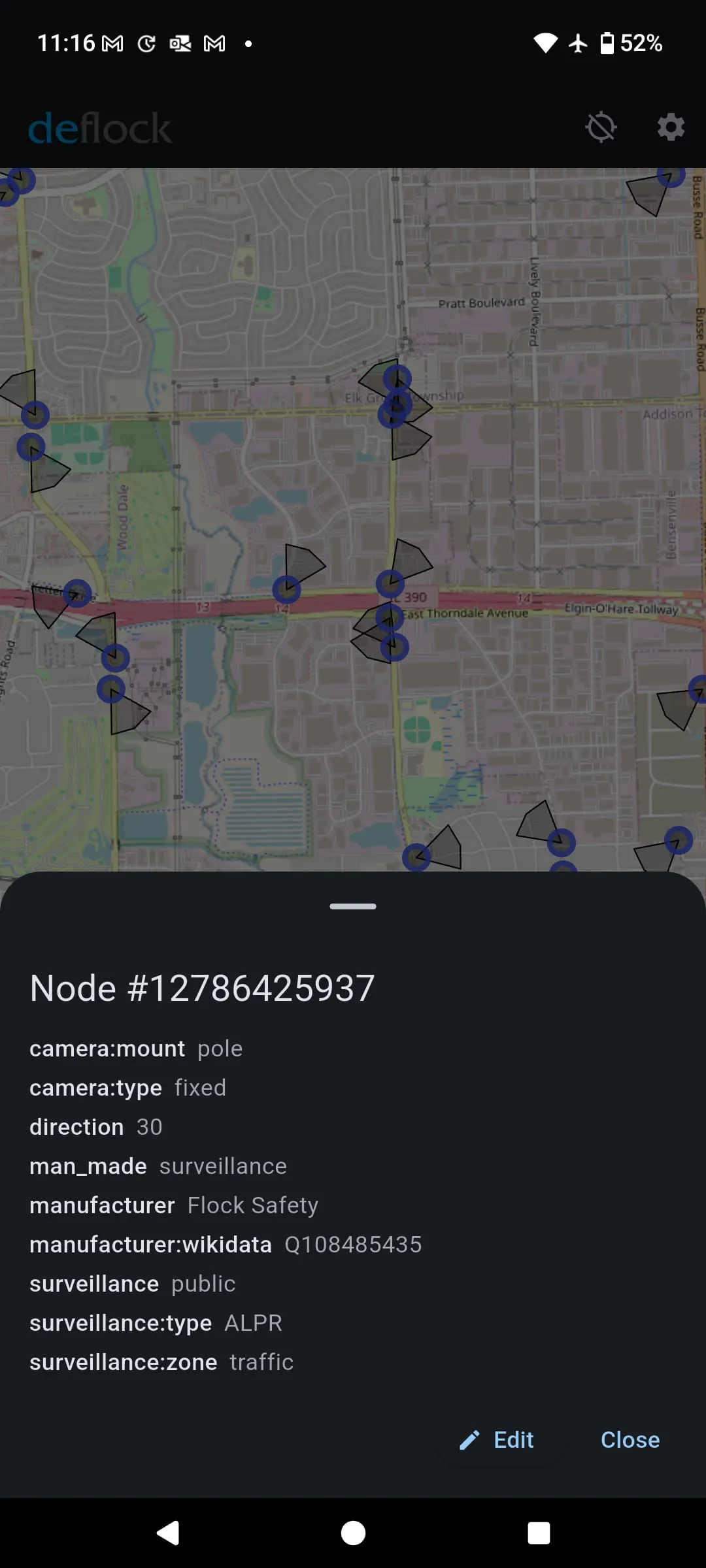
 Download