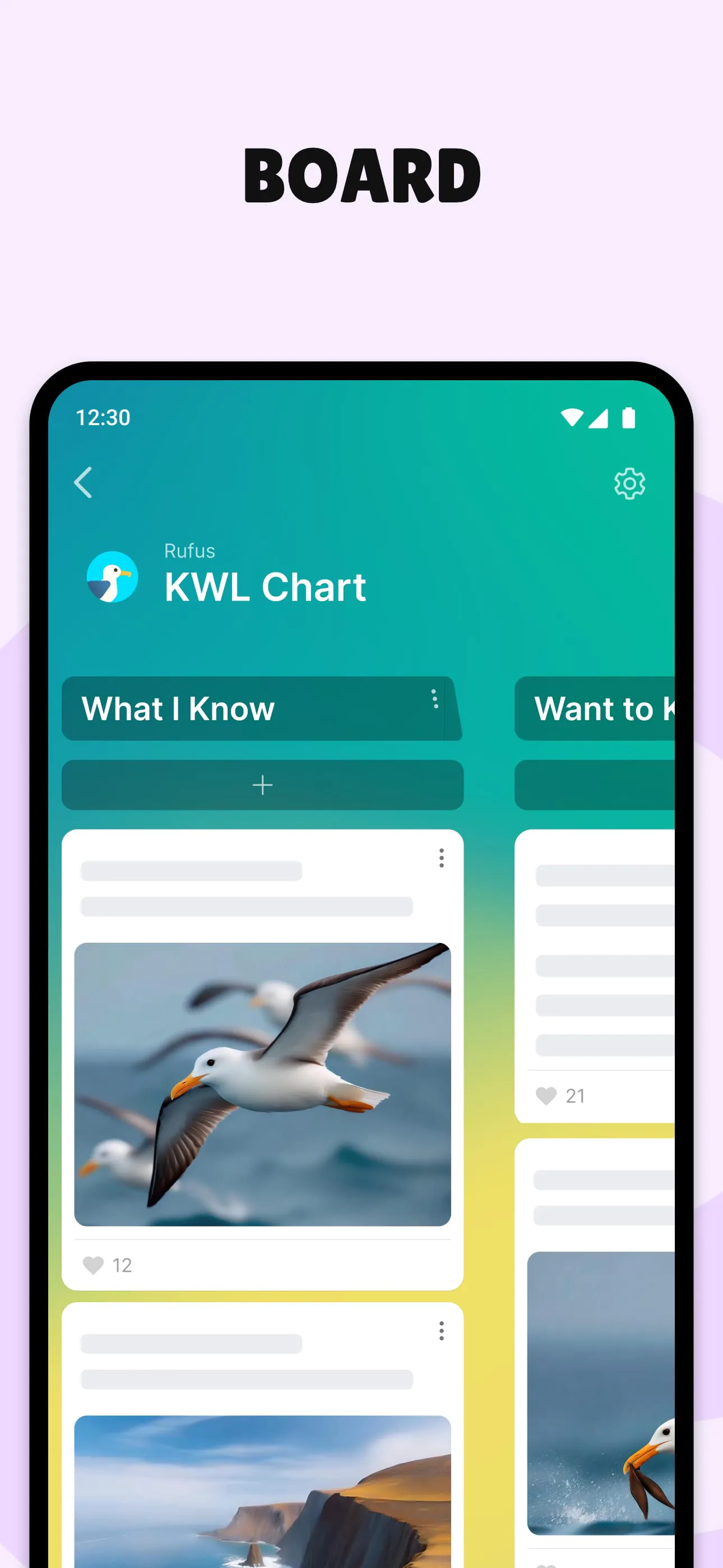
Padlet is presented as a versatile and visually appealing platform designed for a wide array of users, particularly those who identify as visual thinkers and learners. The core functionality revolves around the creation of digital boards and canvases that facilitate the collection, organization, and presentation of diverse content. These boards serve as dynamic spaces where users can consolidate information from various sources, arrange it in a logical and visually engaging manner, and subsequently share it with others. The platform distinguishes between boards, which are primarily intended for content aggregation and structured presentation, and sandboxes, which offer a more free-form environment akin to a digital whiteboard. Sandboxes are particularly well-suited for interactive lessons, collaborative worksheets, and brainstorming sessions, providing a flexible space for real-time collaboration and idea generation. The text emphasizes the widespread adoption of Padlet, citing a user base of over 40 million active users per month worldwide. This substantial user base underscores the platform's popularity and its perceived value across various sectors and applications. The versatility of Padlet is further highlighted through a diverse range of use cases, including the creation of interactive lessons, the design of collaborative worksheets, brainstorming sessions, slideshow presentations, the construction of meeting agendas, the solicitation of feedback, collaborative file management with clients, the storage of instructional videos, the sharing of marketing assets, and even the management of real-estate listings on a map. This extensive list demonstrates the adaptability of Padlet to different contexts and its potential to enhance productivity, collaboration, and communication across various professional and educational settings. The platform's emphasis on visual organization and collaborative features suggests that it is designed to cater to different learning styles and to foster a more engaging and interactive learning experience. Furthermore, the ability to integrate various types of media, such as videos, images, and documents, makes it a comprehensive tool for content creation and dissemination. Overall, Padlet is portrayed as a user-friendly and powerful platform that empowers users to create visually compelling and interactive content, collaborate effectively with others, and streamline various workflows. Its widespread adoption and diverse range of use cases suggest that it has become an indispensable tool for many individuals and organizations looking to enhance their productivity and communication capabilities.
The diverse applications of Padlet across various sectors highlight its adaptability and potential to transform traditional workflows. In education, for instance, Padlet can be used to create interactive lessons that engage students and foster a more collaborative learning environment. Teachers can design collaborative worksheets that encourage students to work together and share their ideas in real-time. The platform's brainstorming capabilities make it an ideal tool for generating ideas and exploring different perspectives. Students can use Padlet to create presentations that are both visually appealing and informative. The ability to integrate multimedia elements, such as videos and images, allows for a more engaging and dynamic presentation experience. In the business world, Padlet can be used to build meeting agendas that are organized and easy to follow. Teams can use the platform to solicit feedback from colleagues and clients, ensuring that everyone is on the same page. The collaborative file management features enable teams to work together on documents and projects seamlessly. Marketing teams can use Padlet to share marketing assets with clients and stakeholders, ensuring that everyone has access to the latest information. Real estate agents can use the platform to manage real estate listings on a map, providing potential buyers with a visual overview of available properties. The ability to customize the look and feel of Padlet boards allows users to create a branded experience that aligns with their organization's identity. The platform's ease of use and intuitive interface make it accessible to users of all technical skill levels. The real-time collaboration features ensure that everyone can contribute to the project simultaneously, regardless of their location. The ability to integrate with other popular tools and platforms further enhances Padlet's functionality and makes it a valuable addition to any workflow. The emphasis on visual communication and collaboration suggests that Padlet is designed to promote creativity and innovation. By providing a platform for sharing ideas and collaborating on projects, Padlet empowers users to think outside the box and come up with new and innovative solutions.
The reference to Dostoevsky at the beginning and end of the provided text adds a layer of intellectual and philosophical depth to the description of Padlet. The statement that "Dostoevsky said that beauty will save the world" suggests that the platform's visual appeal and aesthetic design are not merely superficial but are integral to its functionality and purpose. The implication is that Padlet's beautiful boards and canvases have the potential to inspire creativity, enhance communication, and foster a more engaging learning experience. The concluding statement that "Dostoevsky would have loved Padlet" reinforces this connection between beauty and utility. It suggests that the platform's emphasis on visual organization and collaborative features aligns with Dostoevsky's belief in the transformative power of beauty. This philosophical framework provides a unique perspective on Padlet's value proposition. It positions the platform not just as a tool for productivity and collaboration but as a means of creating a more beautiful and meaningful world. The text subtly implies that by using Padlet, individuals and organizations can contribute to this vision by creating visually appealing content, fostering collaborative relationships, and promoting a more engaging and enriching experience. The integration of philosophical concepts with the description of Padlet's features and benefits elevates the platform beyond a mere technological tool. It suggests that Padlet is a platform with a higher purpose: to empower users to create beautiful and meaningful content that can have a positive impact on the world. The emphasis on visual communication and collaboration aligns with contemporary trends in education and business. The ability to create engaging and interactive content is increasingly important in a world saturated with information. Padlet provides a platform for users to cut through the noise and communicate their ideas effectively. The collaborative features enable teams to work together more efficiently and creatively, fostering a more inclusive and productive environment. Overall, Padlet is presented as a versatile and visually appealing platform that empowers users to create beautiful and meaningful content, collaborate effectively with others, and contribute to a more engaging and enriching world.





 APK
APK  Google Play
  iOS
iOS  4.10
4.10


 Download