

Heic to JPG Converter Heic to JPG Converter
Category
PhotographyTag
jpeg | Image Compression | HEIC | File Format | HEIF
Rate
4.70
★★★★★
Reviews
500 +
Installs
100k +
Developer
Smart Photo Editor & Mobile Tools
Content Rating
Everyone
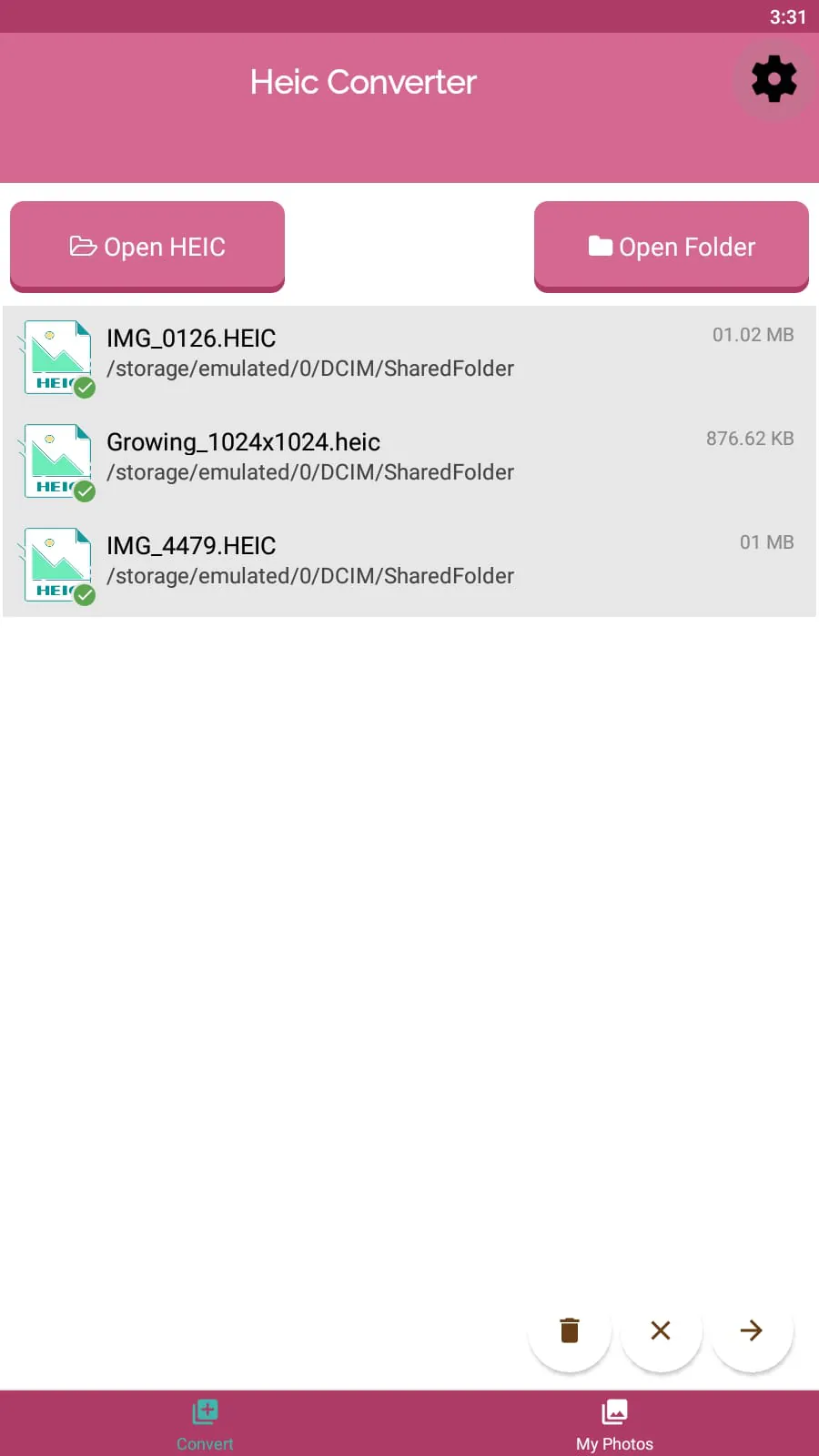
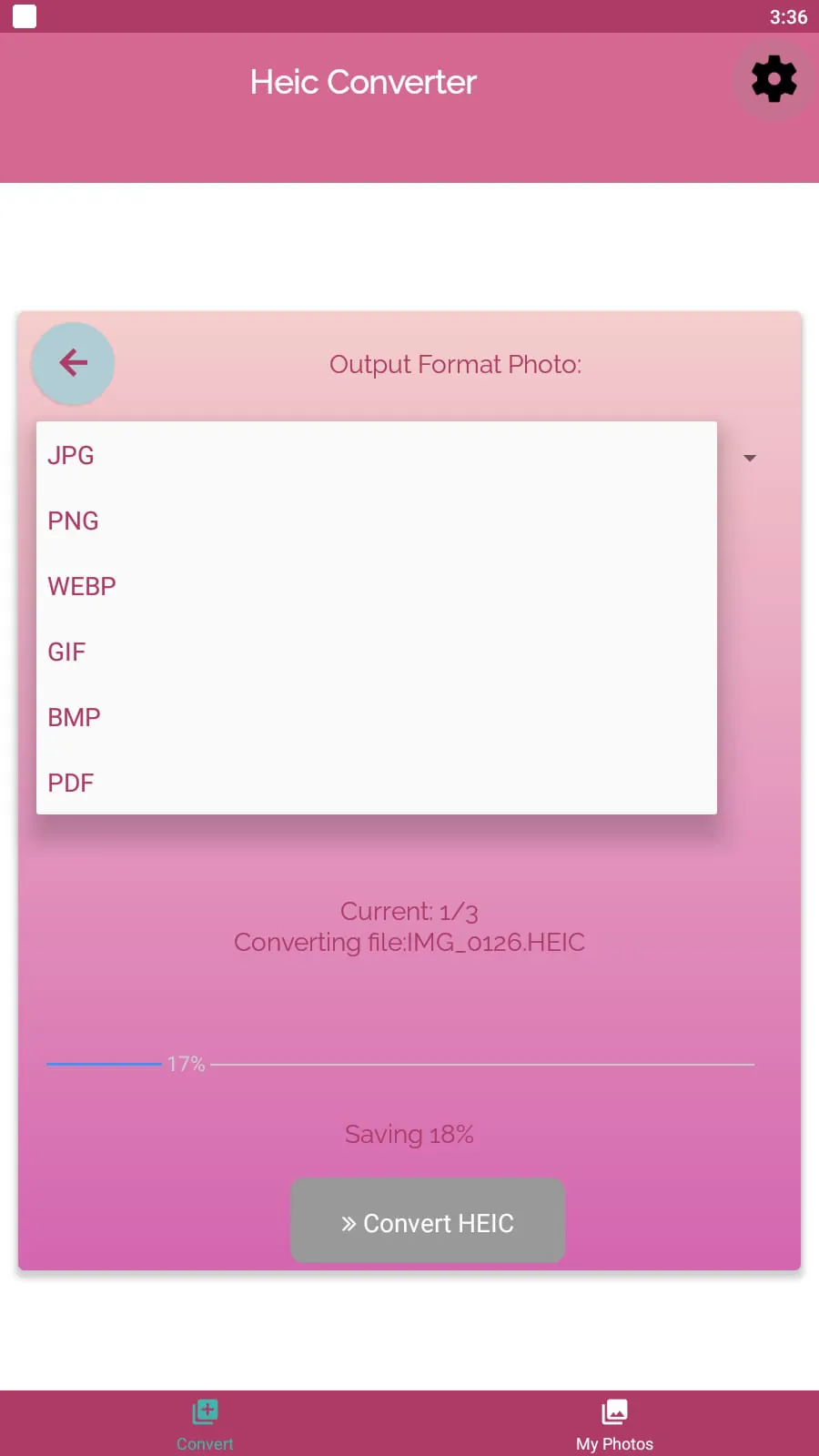
Convert HEIC files to JPG, PNG, PDF and supports multiple files converter
 APK
APK  Google Play
  iOS
iOS  4.70
4.70 Author's Review
Appspicked Review
The advent of the High Efficiency Image File Format (HEIC) marks a significant leap forward in image compression and storage technology, offering a compelling alternative to the widely used JPEG format. HEIC, adopted by Apple for its iOS devices, leverages modern file compression methods to achieve substantial reductions in file size while simultaneously enhancing image quality. This innovation addresses the growing demand for efficient storage solutions in the face of ever-increasing photo volumes on smartphones and tablets. The core advantage of HEIC lies in its ability to store more image data within a smaller file size compared to JPEG. This efficiency stems from advanced compression algorithms that minimize redundancy and optimize data representation. As a result, users can store twice as many photos on their devices without sacrificing image quality. This is particularly beneficial for users who frequently capture high-resolution photos and videos, as it alleviates storage constraints and reduces the need for frequent data transfers or cloud storage subscriptions. Moreover, HEIC images exhibit superior visual fidelity compared to JPEGs. The format supports 16-bit deep color, enabling a wider range of colors and finer gradations. This results in images that appear more vibrant, detailed, and true to life. The enhanced color depth also contributes to smoother transitions and reduced banding artifacts, particularly in areas with subtle color variations. From a technical standpoint, HEIC is based on the High Efficiency Video Coding (HEVC) standard, which is also used for video compression. This allows HEIC to leverage the same advanced compression techniques employed in video encoding, resulting in significant efficiency gains. The HEVC standard incorporates sophisticated algorithms for motion estimation, transform coding, and entropy coding, which collectively contribute to its superior compression performance. In addition to its compression efficiency and image quality advantages, HEIC also offers support for advanced features such as transparency, animation, and burst photography. Transparency allows for the creation of images with transparent backgrounds, which are useful for graphic design and web development. Animation enables the creation of animated GIFs and short video clips. Burst photography allows for the capture of a rapid sequence of images, which can be useful for capturing action shots or creating time-lapse videos. The adoption of HEIC by Apple has spurred its widespread adoption across the mobile ecosystem. However, compatibility issues remain a challenge, as older devices and operating systems may not natively support the format. This can create difficulties when sharing HEIC images with users who have older devices or who are using different operating systems. To address these compatibility issues, various tools and converters have been developed to convert HEIC images to more widely supported formats such as JPEG and PNG. These converters typically employ algorithms that decode the HEIC image and re-encode it in the desired format. The conversion process may involve some loss of image quality, depending on the specific algorithms used and the compression settings selected. Despite the compatibility challenges, HEIC represents a significant advancement in image compression technology. Its superior compression efficiency and image quality advantages make it a compelling alternative to JPEG, particularly for mobile devices with limited storage capacity. As the technology matures and compatibility improves, HEIC is poised to become the dominant image format in the future.
The primary hurdle in the widespread adoption of HEIC lies in its limited compatibility with older operating systems and devices. Windows, for instance, does not natively support HEIC images, requiring users to install additional codecs or rely on third-party software to view and convert them. Similarly, older versions of macOS and Android may lack native HEIC support, necessitating the use of alternative methods for accessing and manipulating these images. This compatibility barrier poses a significant inconvenience for users who frequently share images across different platforms and devices. When sending HEIC images to recipients with incompatible systems, the images may not be displayed correctly, or they may require manual conversion before they can be viewed. This can lead to frustration and confusion, particularly for users who are not tech-savvy. To overcome the compatibility limitations of HEIC, various conversion tools and services have emerged. These tools enable users to convert HEIC images to more widely supported formats such as JPEG, PNG, and GIF. The conversion process typically involves decoding the HEIC image and re-encoding it in the desired format. While conversion can resolve compatibility issues, it may also introduce some degree of quality loss. Depending on the specific algorithms used and the compression settings selected, the converted image may exhibit reduced sharpness, color accuracy, or detail compared to the original HEIC image. Therefore, it is essential to choose a reputable conversion tool and to carefully consider the trade-offs between compatibility and image quality. In addition to conversion tools, some cloud storage services and social media platforms offer automatic HEIC conversion upon upload. This allows users to seamlessly share HEIC images without having to worry about compatibility issues. The service automatically converts the image to a more widely supported format before displaying it to other users. However, it is important to note that automatic conversion may also result in some quality loss, depending on the specific algorithms used by the service. As HEIC gains wider adoption and support, the compatibility issues are gradually diminishing. Newer versions of Windows and macOS now offer native HEIC support, eliminating the need for additional codecs or software. Similarly, many Android devices now come with built-in HEIC decoders, allowing users to view and manipulate HEIC images without any additional steps. However, compatibility remains a concern for users with older devices or those who frequently share images with users on different platforms. To mitigate these compatibility challenges, it is advisable to use a combination of strategies, including HEIC conversion tools, cloud storage services with automatic conversion, and communication with recipients to ensure they can properly view the images. By taking these steps, users can minimize the risk of compatibility issues and ensure that their HEIC images are accessible to everyone.
Despite the compatibility hurdles, the advantages of HEIC in terms of storage efficiency and image quality are undeniable. The format's ability to store more image data within a smaller file size makes it an attractive option for users with limited storage capacity on their devices. The superior image quality, with its enhanced color depth and reduced artifacts, further enhances the appeal of HEIC. As technology evolves and storage capacities increase, the need for efficient image compression becomes even more critical. High-resolution photos and videos are becoming increasingly prevalent, demanding more efficient storage solutions. HEIC addresses this need by providing a format that can store these large files without compromising image quality. The format's support for advanced features such as transparency, animation, and burst photography further expands its versatility and usefulness. Transparency allows for the creation of images with transparent backgrounds, which are useful for graphic design and web development. Animation enables the creation of animated GIFs and short video clips. Burst photography allows for the capture of a rapid sequence of images, which can be useful for capturing action shots or creating time-lapse videos. The adoption of HEIC by Apple has played a significant role in driving its adoption across the mobile ecosystem. Apple's decision to use HEIC as the default image format for its iOS devices has encouraged other manufacturers and software developers to support the format. As a result, HEIC is becoming increasingly prevalent in mobile devices, cloud storage services, and social media platforms. The transition from JPEG to HEIC is a gradual process, as compatibility issues and user preferences need to be addressed. However, the advantages of HEIC are clear, and the format is poised to become the dominant image format in the future. As technology evolves and compatibility improves, HEIC will likely replace JPEG as the preferred format for storing and sharing images. This will result in more efficient storage, better image quality, and a more seamless user experience. In conclusion, HEIC represents a significant advancement in image compression technology. Its superior compression efficiency, image quality, and advanced features make it a compelling alternative to JPEG. While compatibility issues remain a challenge, the advantages of HEIC are undeniable, and the format is poised to become the dominant image format in the future. As technology evolves and compatibility improves, HEIC will likely replace JPEG as the preferred format for storing and sharing images, resulting in more efficient storage, better image quality, and a more seamless user experience.
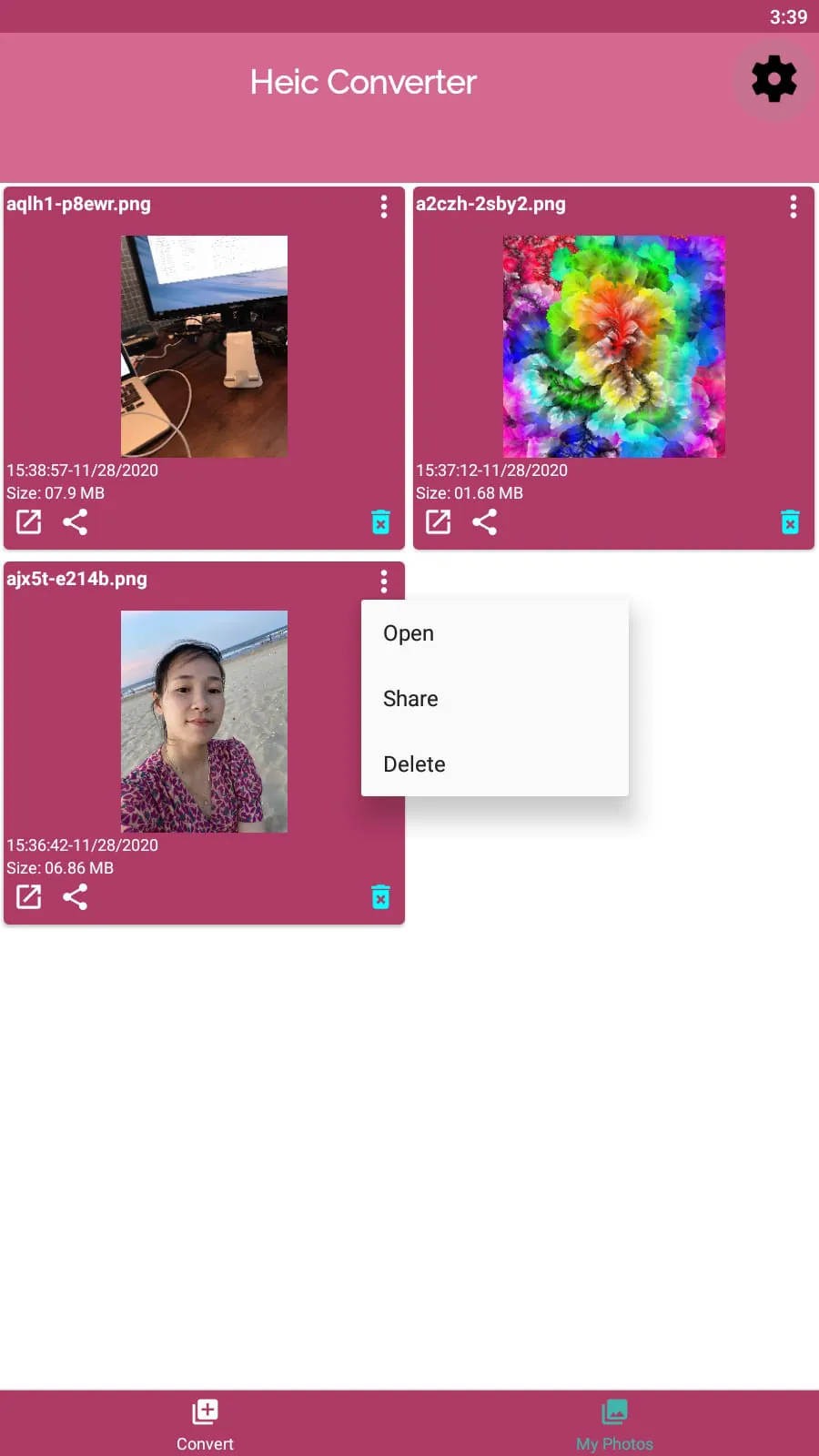
Screenshots

 Download
 Additional Information
Category
PhotographyVersion
Unknown
Tag
jpeg | Image Compression | HEIC | File Format | HEIF
Rate
4.70
★★★★★
Reviews
500 +
Installs
100k +
Developer
Smart Photo Editor & Mobile Tools
Content Rating
Everyone
Convert HEIC files to JPG, PNG, PDF and supports multiple files converter
Previous Versions
ZIP files require a Split APKs Installer (e.g., SAI) from Google Play to install. Steps: 1. Download SAI from Google Play; 2. Open SAI and tap "Install APKs"; 3. Select the ZIP file; 4. Complete installation.
You Might Like