



Coupon24 Coupon24
Category
ShoppingTag
Digital Coupons | Mobile Redemption | Online Savings
Rate
4.70
★★★★★
Reviews
500 +
Installs
100k +
Developer
SigmaLedger, Inc
Content Rating
Everyone
Save with Coupons and Promotions
 APK
APK  Google Play
  iOS
iOS  4.70
4.70 Author's Review
Appspicked Review
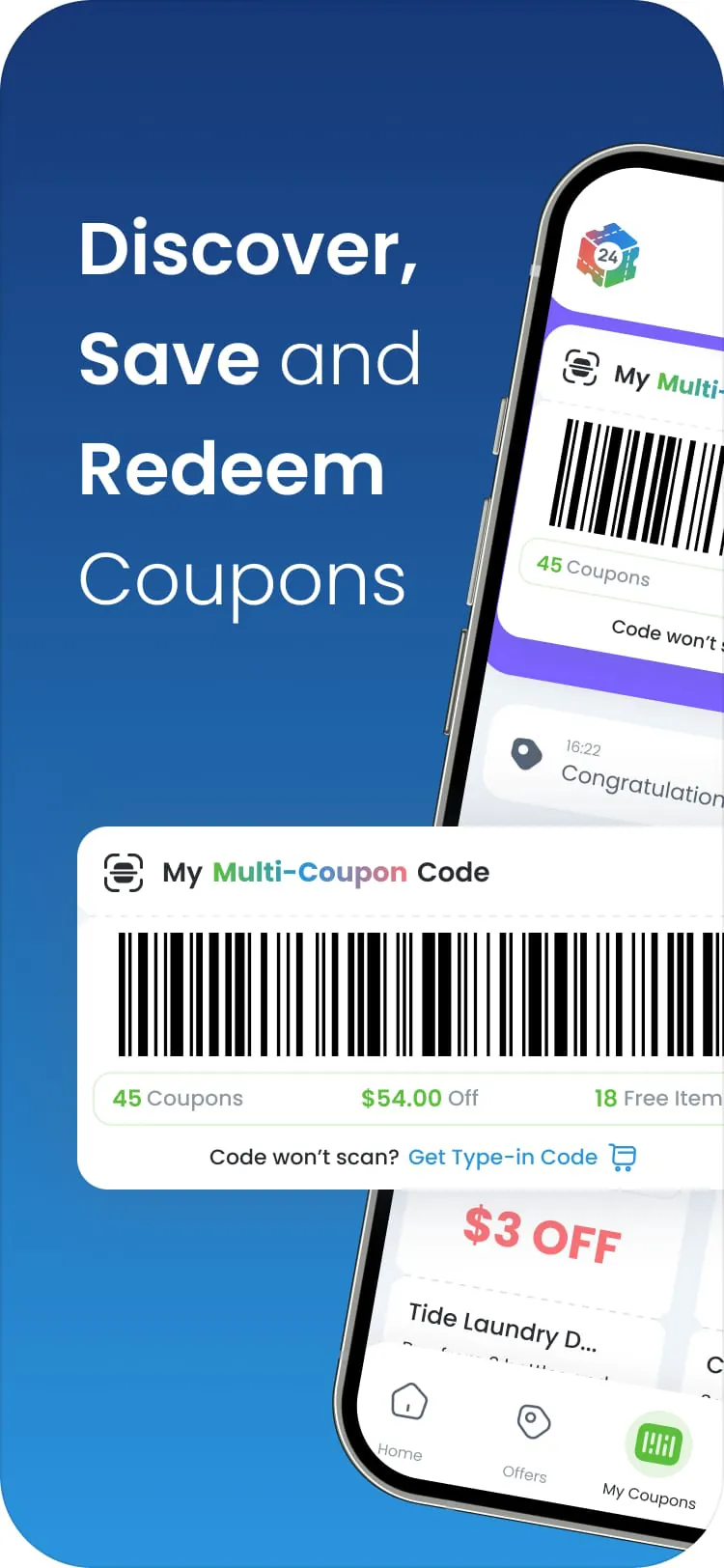
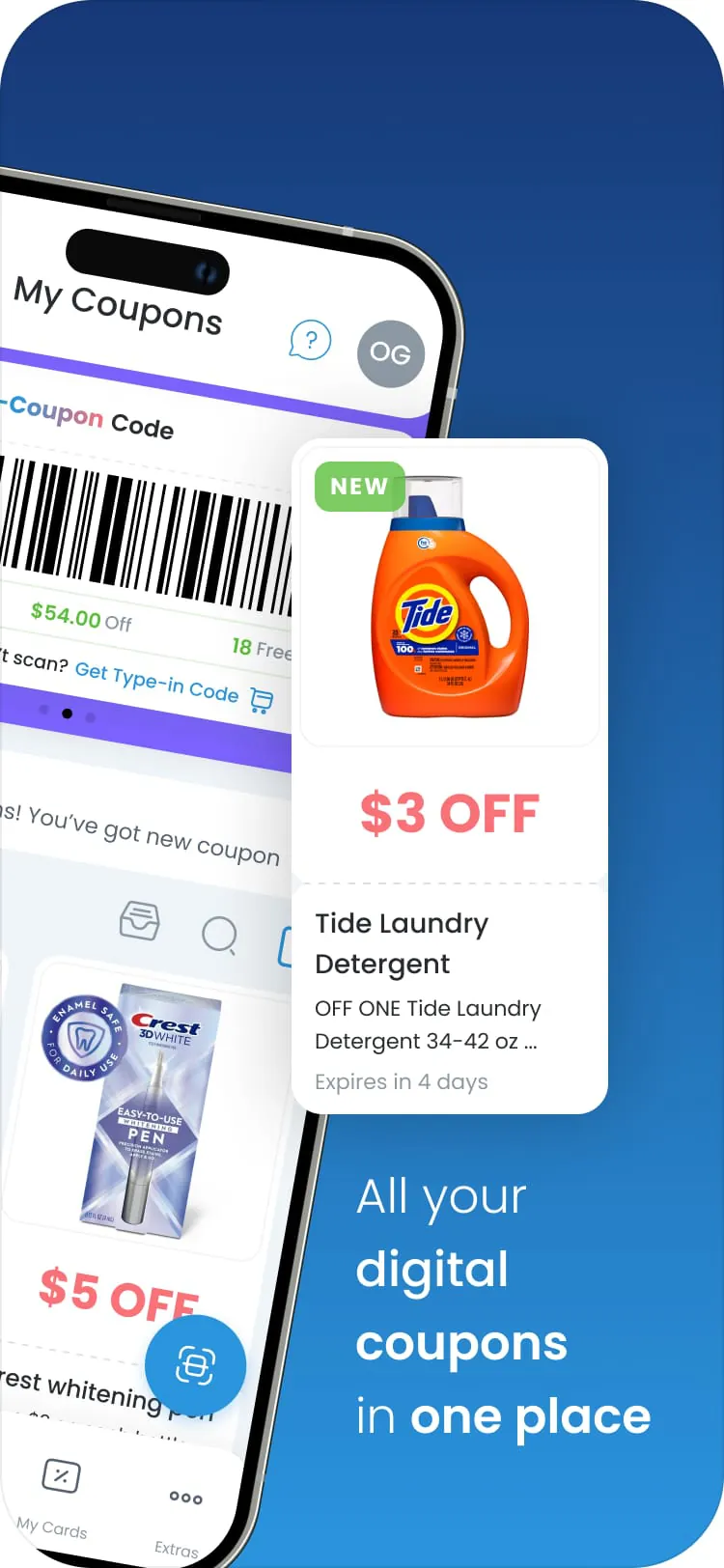
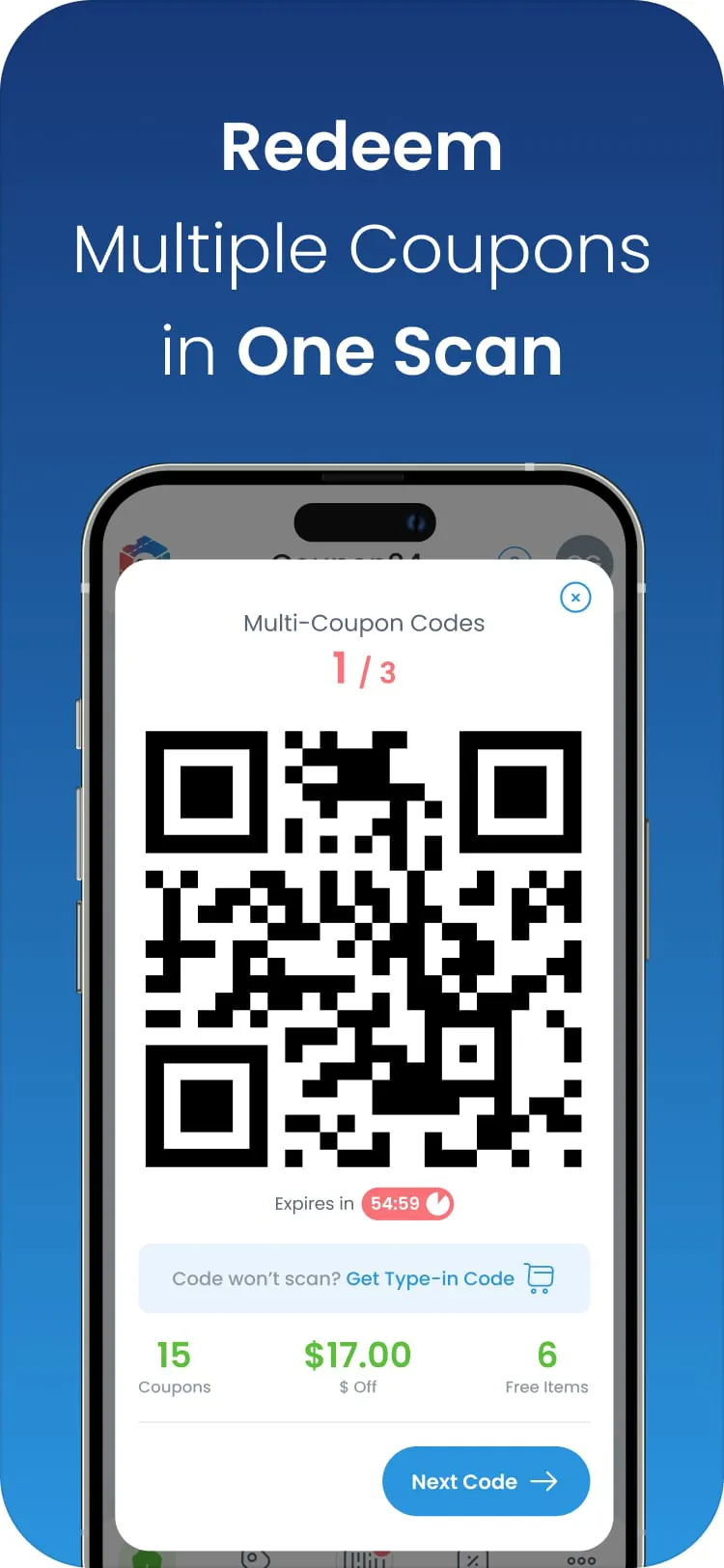
The concept of digitally discovering, storing, and redeeming coupons represents a significant shift in consumer behavior and retail strategies. This transformation is driven by the widespread adoption of smartphones and the increasing consumer demand for convenience, personalization, and value. The ability to find coupons directly on a mobile device eliminates the need for traditional methods such as clipping from newspapers or magazines, or relying on mailed flyers. This immediacy allows consumers to access potential savings at any time and from any location, whether they are at home planning their shopping trip, in a store comparing prices, or even at the point of purchase. Furthermore, the digital format enables a more interactive and engaging experience. Coupons can be presented with rich media such as images and videos, providing additional product information and brand storytelling. This enhances the perceived value of the coupon and motivates consumers to make a purchase. The storage aspect of digital coupons addresses the common problem of lost or forgotten paper coupons. By storing coupons on their phones, consumers can easily organize and manage their potential savings. Many mobile coupon platforms offer features such as expiration reminders and categorization, further enhancing the user experience. The redemption process is also streamlined through digital channels. In brick-and-mortar stores, coupons can be redeemed by scanning a barcode or QR code on the phone screen. For online stores, the coupon code can be automatically applied at checkout. This seamless integration eliminates the friction associated with traditional coupon redemption and encourages greater coupon usage. The shift to digital coupons also benefits retailers by providing them with valuable data and insights into consumer behavior. By tracking coupon usage, retailers can gain a better understanding of which products and promotions are most effective. This data can be used to optimize marketing campaigns, personalize offers, and improve the overall customer experience. Moreover, digital coupons offer a more environmentally friendly alternative to paper coupons. By reducing the need for printing and distribution, digital coupons contribute to a more sustainable retail ecosystem. The impact of digital coupons extends beyond individual transactions. They also play a role in shaping broader trends in the retail industry, such as the rise of mobile commerce and the increasing importance of customer loyalty programs. As technology continues to evolve, we can expect to see even more innovative applications of digital coupons, such as location-based offers, personalized recommendations, and integration with social media platforms. The future of coupons is undoubtedly digital, and retailers who embrace this trend will be well-positioned to succeed in the increasingly competitive marketplace.
The ability to redeem coupons in both brick-and-mortar and online stores is a critical component of a successful digital coupon platform. This omnichannel approach ensures that consumers can take advantage of savings regardless of where they choose to shop. For brick-and-mortar stores, the integration of digital coupons requires investment in technology and infrastructure. Stores need to have the capability to scan barcodes or QR codes from mobile devices at the point of sale. They also need to train their employees on how to properly process digital coupons. Despite these challenges, the benefits of accepting digital coupons in brick-and-mortar stores are significant. Digital coupons can drive foot traffic to stores, increase sales, and improve customer loyalty. They also provide retailers with a more efficient and accurate way to track coupon usage. For online stores, the redemption of digital coupons is typically a simpler process. Consumers can enter a coupon code at checkout to receive the discount. However, online retailers still need to ensure that their systems are properly integrated with the coupon platform and that the redemption process is seamless and user-friendly. In addition to technology and infrastructure, successful digital coupon programs also require effective marketing and communication. Retailers need to promote their digital coupon offerings to consumers through various channels, such as email, social media, and in-store signage. They also need to clearly communicate the terms and conditions of the coupons, such as expiration dates and product restrictions. Furthermore, retailers need to monitor the performance of their digital coupon programs and make adjustments as needed. This includes tracking coupon usage, analyzing customer feedback, and experimenting with different promotions. The key to success is to continuously optimize the program to maximize its effectiveness. The integration of digital coupons with loyalty programs can further enhance their value. By linking coupons to loyalty accounts, retailers can offer personalized discounts and rewards to their most valuable customers. This can help to increase customer engagement and loyalty. The use of data analytics is also critical for optimizing digital coupon programs. By analyzing data on coupon usage, customer demographics, and purchase history, retailers can gain valuable insights into consumer behavior. This information can be used to target coupons more effectively and to personalize the shopping experience. As digital coupons become more prevalent, retailers will need to adapt their strategies to remain competitive. This includes investing in technology, marketing effectively, and continuously optimizing their programs. The retailers who embrace digital coupons and integrate them seamlessly into their operations will be best positioned to succeed in the future.
The convergence of digital couponing with mobile technology and omnichannel retail strategies is reshaping the landscape of consumer promotions and purchasing decisions. This synergy creates a dynamic environment where consumers are empowered with instant access to savings, personalized offers, and seamless redemption experiences across various shopping channels. Mobile technology serves as the central hub for this transformation, enabling consumers to discover, store, and redeem coupons directly on their smartphones or tablets. This eliminates the need for traditional paper coupons, which are often cumbersome to manage, easily lost, and environmentally unsustainable. The convenience and accessibility of mobile coupons have significantly increased coupon usage rates, as consumers can now effortlessly browse available offers, save them for later use, and redeem them at the point of purchase with a simple scan or tap. Omnichannel retail strategies further amplify the impact of digital couponing by providing consumers with consistent and integrated shopping experiences across both brick-and-mortar and online stores. This means that consumers can discover a coupon online, save it to their mobile device, and then redeem it in-store, or vice versa. This seamless integration enhances the overall shopping experience and encourages consumers to engage with retailers across multiple touchpoints. Furthermore, digital couponing enables retailers to gather valuable data and insights into consumer behavior, preferences, and purchasing patterns. By tracking coupon usage, redemption rates, and customer demographics, retailers can gain a deeper understanding of which promotions are most effective, which customer segments are most responsive, and how to optimize their marketing efforts for maximum impact. This data-driven approach allows retailers to personalize offers, target specific customer segments, and tailor their promotions to individual preferences, resulting in increased sales, improved customer loyalty, and enhanced profitability. The future of digital couponing is likely to be characterized by even greater personalization, integration with emerging technologies, and a continued focus on enhancing the consumer experience. We can expect to see more sophisticated AI-powered recommendation engines that automatically suggest relevant coupons based on individual preferences and past purchase history. We can also anticipate the integration of digital coupons with augmented reality (AR) and virtual reality (VR) technologies, creating immersive and interactive shopping experiences. As digital couponing continues to evolve, it will undoubtedly play an increasingly important role in shaping the future of retail and consumer behavior.
Screenshots
 Download
 Additional Information
Category
ShoppingVersion
Unknown
Tag
Digital Coupons | Mobile Redemption | Online Savings
Rate
4.70
★★★★★
Reviews
500 +
Installs
100k +
Developer
SigmaLedger, Inc
Content Rating
Everyone
Save with Coupons and Promotions
Previous Versions
ZIP files require a Split APKs Installer (e.g., SAI) from Google Play to install. Steps: 1. Download SAI from Google Play; 2. Open SAI and tap "Install APKs"; 3. Select the ZIP file; 4. Complete installation.
You Might Like