


ADVERTISEMENT
ADVERTISEMENT

Parklink Parklink
Category
ToolsTag
Parking Management | ParkLink app | camera-based parking | payment security | urban mobility
Rate
0.00
★★★★★
Reviews
500 +
Installs
100k +
Developer
Bember
Content Rating
Everyone
Parking without the hassle
 APK
APK  Google Play
  iOS
iOS  0.00
0.00ADVERTISEMENT
ADVERTISEMENT
Author's Review
appspicked Review
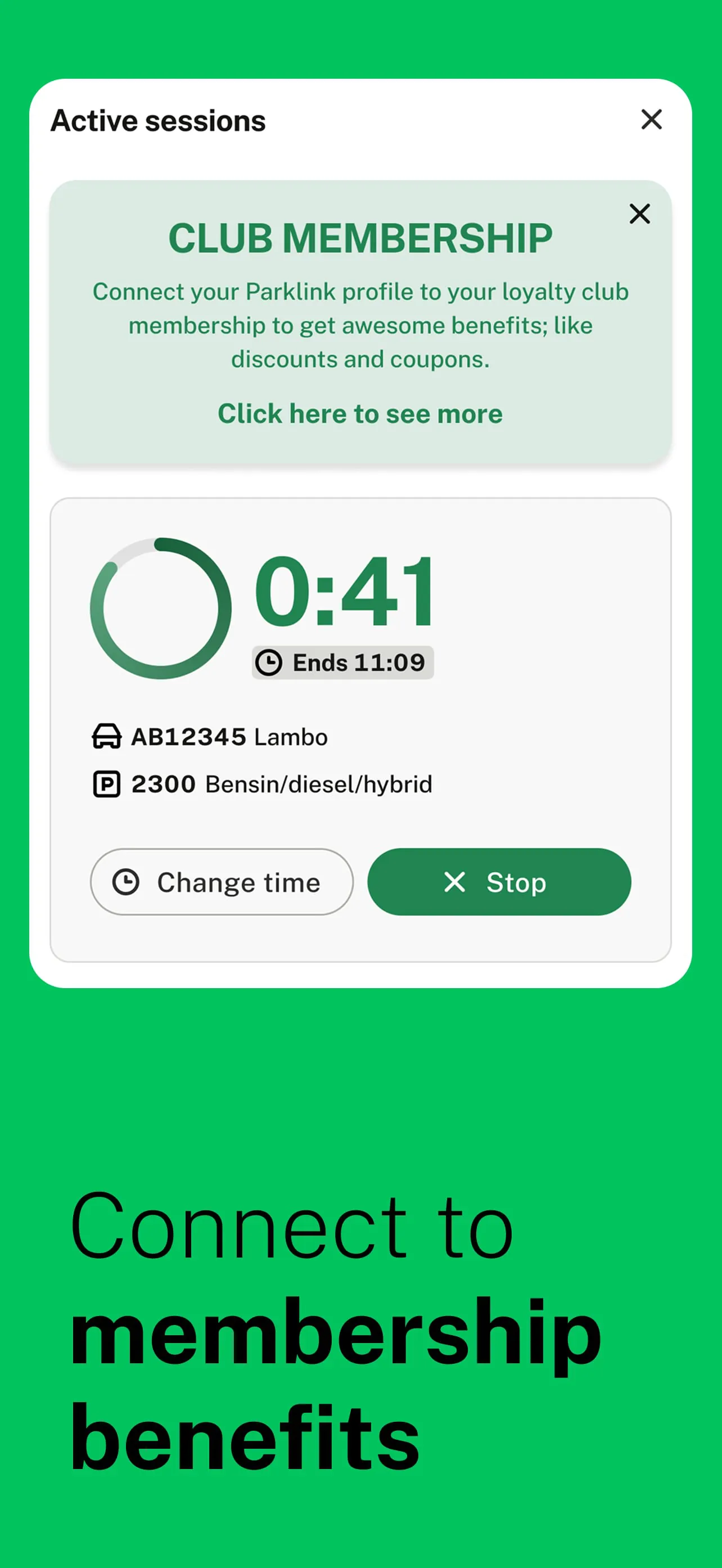
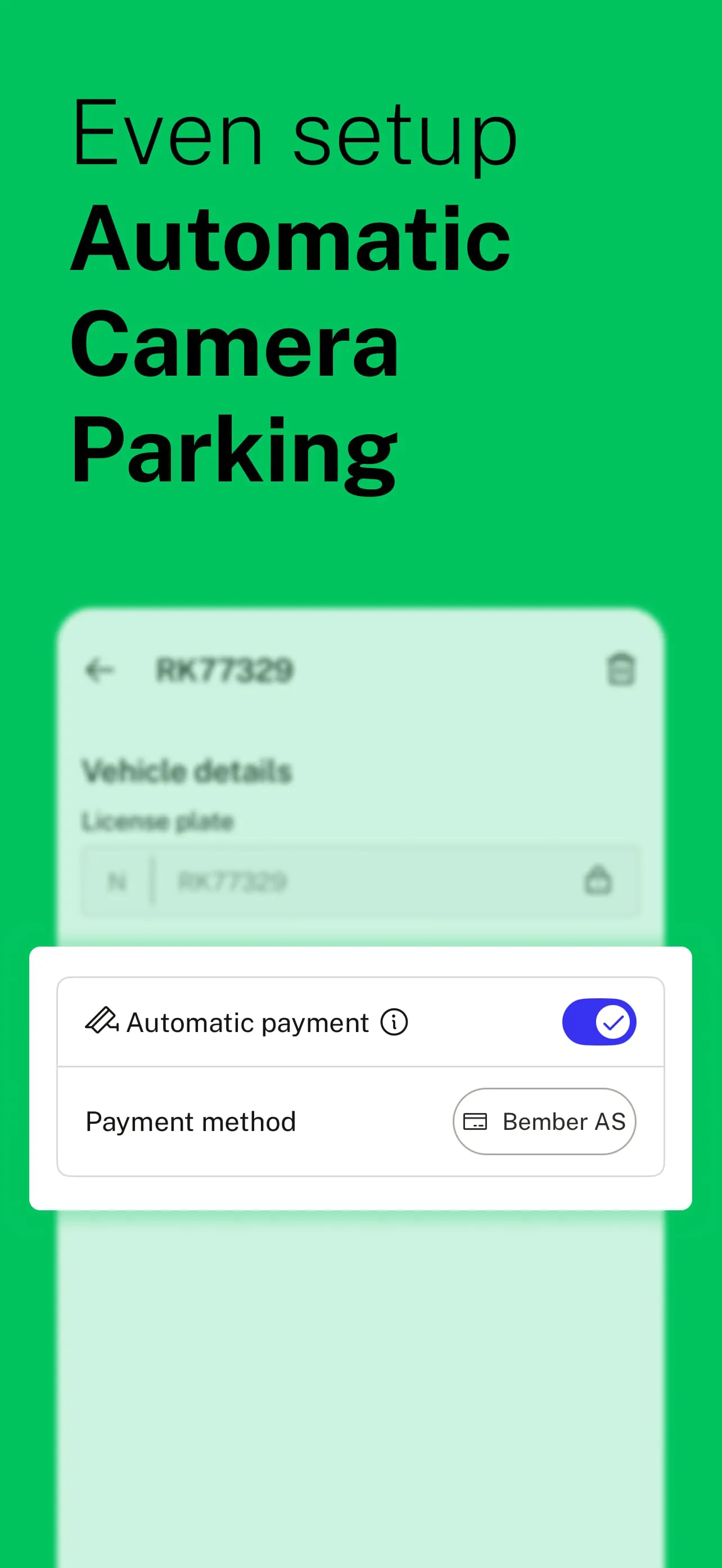
ParkLink is emerging as a pivotal application in the rapidly evolving landscape of parking management, particularly within the context of camera-based parking systems. The text highlights ParkLink's role as a leading app facilitating access and payment in parking lots equipped with camera technology, signaling a shift towards more automated and user-friendly parking solutions. This innovation addresses several long-standing challenges associated with traditional parking systems, such as the need for physical tickets, manual payment processes, and potential disputes over parking duration. By leveraging camera technology, ParkLink streamlines the entire parking experience, from entry to exit, offering a seamless and efficient process for both drivers and parking operators. The app's functionality extends beyond mere payment processing; it integrates features that allow users to locate available parking spaces, monitor parking time, and receive notifications, enhancing the overall convenience and usability of parking services. The deployment of camera-based parking systems represents a significant advancement in urban mobility, contributing to reduced traffic congestion, improved parking utilization, and enhanced customer satisfaction. As ParkLink expands its coverage to more parking lots across the country, it is poised to become an indispensable tool for drivers seeking a hassle-free parking experience. The app's integration with various payment methods, including credit cards and mobile payment platforms, further enhances its accessibility and convenience. Moreover, ParkLink's commitment to user security is evident in its adherence to stringent data protection protocols, ensuring that users' personal and financial information is safeguarded against unauthorized access. The app's developers are continuously working to improve its functionality and expand its features, incorporating user feedback to optimize the parking experience. This iterative approach to development ensures that ParkLink remains at the forefront of parking technology, adapting to the evolving needs of drivers and parking operators alike. The broader implications of ParkLink's success extend beyond the immediate benefits of improved parking convenience. By promoting the adoption of camera-based parking systems, the app contributes to the development of smarter and more sustainable urban environments. The data collected by these systems can be used to optimize traffic flow, reduce carbon emissions, and improve overall urban planning. In addition, the app's integration with other smart city initiatives, such as public transportation and navigation systems, can further enhance its value and impact. As cities around the world grapple with the challenges of increasing urbanization and traffic congestion, innovative solutions like ParkLink are essential for creating more livable and sustainable urban environments. The app's ability to streamline parking processes, reduce traffic congestion, and enhance user convenience makes it a valuable asset for both drivers and city planners. The future of parking management is undoubtedly intertwined with the continued development and adoption of technologies like ParkLink, which promise to transform the way we park and navigate our cities.
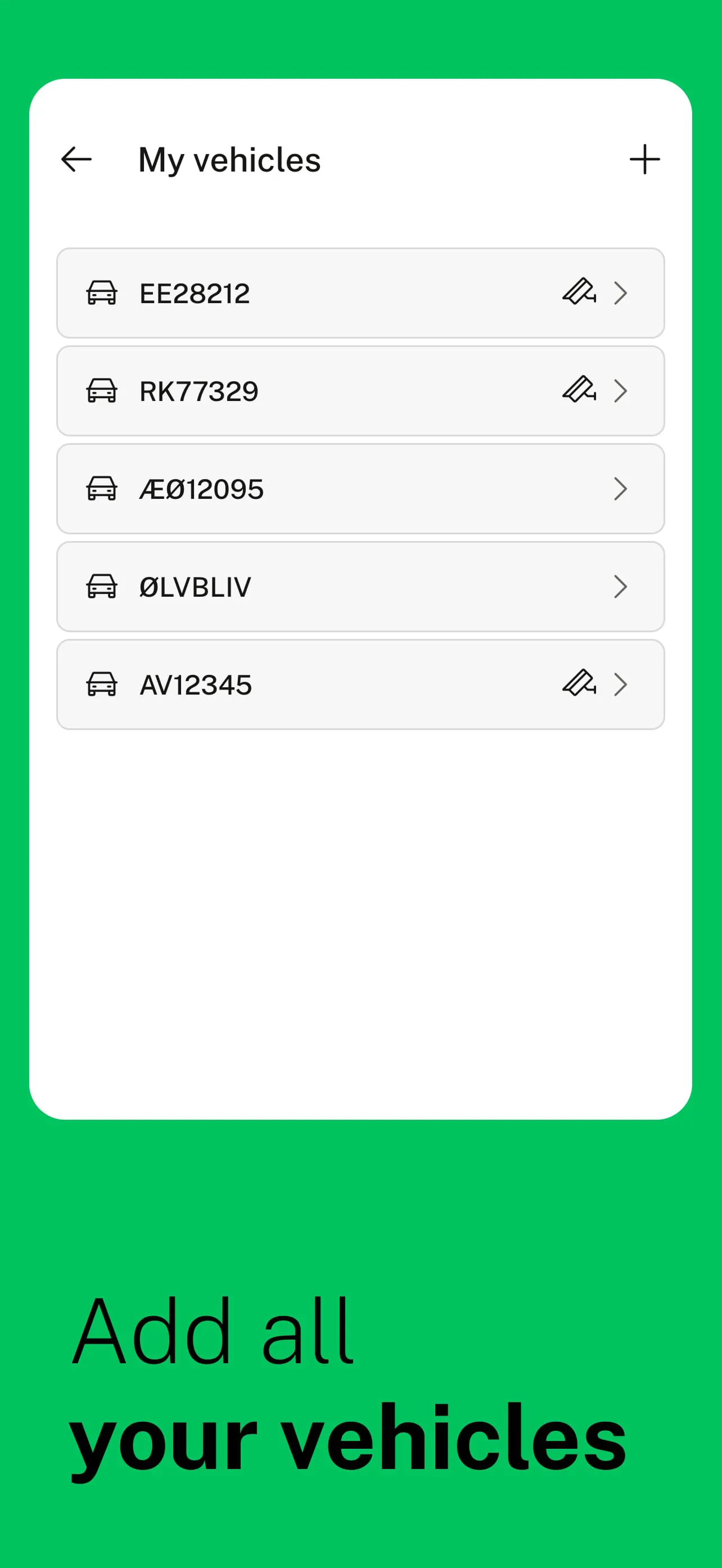
The implementation of camera-based parking systems, as facilitated by apps like ParkLink, marks a significant departure from traditional parking management practices. These systems utilize advanced image recognition technology to automatically identify vehicles entering and exiting parking lots, eliminating the need for manual ticketing and payment processes. This automation not only streamlines the parking experience for drivers but also reduces operational costs for parking operators. The cameras capture vehicle license plates and record entry and exit times, enabling accurate calculation of parking fees. Drivers can then pay for their parking using the ParkLink app, which integrates with various payment methods, including credit cards, mobile wallets, and online banking platforms. The app also provides users with real-time information on parking availability, pricing, and directions, further enhancing the convenience and efficiency of the parking process. In addition to its user-facing features, ParkLink offers a comprehensive management platform for parking operators, providing tools for monitoring parking occupancy, managing pricing, and generating reports. This platform enables operators to optimize their parking operations, improve revenue management, and enhance customer service. The transition to camera-based parking systems also has significant environmental benefits. By reducing the need for paper tickets and manual payment processes, these systems contribute to waste reduction and energy conservation. Moreover, the improved efficiency of parking operations can help to reduce traffic congestion and lower carbon emissions. The adoption of ParkLink and similar apps is driven by a growing demand for more convenient and sustainable parking solutions. As urban populations continue to grow and traffic congestion worsens, drivers are increasingly seeking ways to simplify their parking experience and reduce their environmental impact. Parking operators, in turn, are looking for ways to improve their efficiency, reduce costs, and enhance customer satisfaction. Camera-based parking systems offer a win-win solution for both drivers and operators, providing a more efficient, convenient, and sustainable approach to parking management. The future of parking is likely to be increasingly automated and technology-driven, with apps like ParkLink playing a central role in shaping the parking experience. The continued development and adoption of these technologies will contribute to creating smarter, more sustainable, and more livable urban environments. The integration of parking systems with other smart city initiatives, such as public transportation and traffic management systems, will further enhance their value and impact. As cities around the world embrace the concept of smart cities, parking management will become an increasingly important component of urban planning and development.
The mention of potential extra security steps, such as BankID, required by some banks when entering payment card details, highlights the growing importance of security in online transactions. This measure is aimed at protecting users from fraud and unauthorized access to their financial information. While it may add an extra step to the payment process, it is ultimately intended to enhance the security and integrity of online transactions. The text assures users that they can still park immediately and postpone entering card details for 48 hours, providing a convenient workaround for those who may not have their BankID or other security credentials readily available. This flexibility allows users to avoid delays and disruptions to their parking experience while still ensuring the security of their payment information. The implementation of these security measures is a reflection of the increasing sophistication of cyber threats and the need for robust security protocols to protect users' financial data. Banks and other financial institutions are continuously working to improve their security systems and adapt to the evolving threat landscape. Users, in turn, need to be vigilant and take steps to protect their own financial information, such as using strong passwords, avoiding suspicious links, and regularly monitoring their accounts for unauthorized activity. The combination of robust security measures and user awareness is essential for maintaining the integrity and security of online transactions. The text's reference to postponing card details entry for 48 hours demonstrates a commitment to user convenience while still prioritizing security. This approach allows users to complete their parking transaction without immediate interruption while still adhering to security protocols. The balance between security and convenience is a key consideration in the design of online payment systems, and the ability to postpone card details entry is a valuable feature that enhances the user experience. As online transactions become increasingly prevalent, the need for robust security measures will continue to grow. Banks and other financial institutions will need to continue investing in security technologies and protocols to protect users from fraud and unauthorized access. Users, in turn, will need to remain vigilant and take steps to protect their own financial information. The ongoing collaboration between financial institutions and users is essential for maintaining the security and integrity of online transactions. The future of online payments will likely be characterized by even more sophisticated security measures, such as biometric authentication and artificial intelligence-powered fraud detection systems. These technologies will further enhance the security and convenience of online transactions, making them even more accessible and user-friendly.
The ParkLink app's nationwide expansion plan signals a strategic vision to revolutionize parking management across the entire country. This ambitious undertaking involves integrating diverse parking lots into a unified network, streamlining parking operations for both drivers and operators on a national scale. The app's growing presence will simplify parking navigation, payment processing, and overall parking accessibility for users traveling to different locations. The integration of various parking facilities under the ParkLink umbrella is poised to address longstanding parking challenges such as confusing payment systems, difficulty finding available spaces, and time-consuming entry and exit procedures. By offering a standardized user experience across all participating parking lots, ParkLink aims to eliminate the frustrations and uncertainties associated with parking in unfamiliar areas. This national expansion aligns with the increasing demand for seamless and technology-driven parking solutions in urban and suburban environments. As more cities and towns embrace smart city initiatives, the role of innovative parking apps like ParkLink becomes increasingly crucial in optimizing traffic flow, reducing congestion, and enhancing overall urban mobility. The app's data analytics capabilities can also provide valuable insights into parking patterns, enabling city planners to make informed decisions about parking infrastructure and traffic management strategies. Moreover, ParkLink's nationwide presence can foster collaboration between parking operators, allowing them to share best practices, optimize pricing strategies, and improve overall parking efficiency. The app's commitment to user satisfaction is evident in its continuous efforts to enhance its features, expand its network, and provide reliable customer support. As ParkLink continues to expand its reach, it is poised to become an indispensable tool for drivers seeking a convenient and stress-free parking experience throughout the country. The app's success will depend on its ability to maintain its user-friendly interface, integrate with a wide range of parking facilities, and adapt to the evolving needs of drivers and parking operators. The future of parking management is undoubtedly intertwined with the continued development and adoption of technologies like ParkLink, which promise to transform the way we park and navigate our cities.
Screenshots
 Download
 Additional Information
Category
ToolsVersion
Unknown
Tag
Parking Management | ParkLink app | camera-based parking | payment security | urban mobility
Rate
0.00
★★★★★
Reviews
500 +
Installs
100k +
Developer
Bember
Content Rating
Everyone
Parking without the hassle
ADVERTISEMENT
ADVERTISEMENT
Previous Versions
ZIP files require a Split APKs Installer (e.g., SAI) from Google Play to install. Steps: 1. Download SAI from Google Play; 2. Open SAI and tap "Install APKs"; 3. Select the ZIP file; 4. Complete installation.
ADVERTISEMENT
You Might Like