Computer File Explorer, often referred to simply as File Explorer or Windows Explorer, is the fundamental file management application built into the Microsoft Windows operating system. It provides a graphical user interface for users to navigate, view, organize, and access all the files, folders, drives, and network locations stored on their computer, serving as the central hub for digital content management and system navigation.
Key Features
The File Explorer application is packed with essential functionalities designed for efficient file handling. Its core features include a comprehensive navigation pane for quick access to key locations like Desktop, Documents, and Downloads, as well as detailed file preview and properties panes. It supports robust search functionality with filter options, multiple view modes such as Details, List, and Large Icons for customized browsing, and seamless integration with cloud storage services like OneDrive. Furthermore, it offers capabilities for file compression (zipping) and extraction, sharing options, and quick access to frequently used folders and recent files.
Pros & Cons
- Pros: It is completely free and pre-installed, requiring no additional download. The interface is deeply integrated with Windows, ensuring high system compatibility and stability. It offers powerful advanced features like detailed column sorting, file grouping, and a powerful search syntax. The ribbon toolbar provides easy access to common tasks, and its universal presence means most users are already familiar with its basic operation.
- Cons: The interface can become cluttered and complex for novice users. Advanced functionality, such as tabbed browsing or dual-pane views, is not natively available in older versions. Search performance can be slow on drives with a vast number of files. Customization options for the interface and functionality are limited compared to third-party file managers, and network browsing capabilities can sometimes be finicky or slow.
Functions
- Core Navigation: Browse all storage devices, including hard drives, USB flash drives, and network-attached storage.
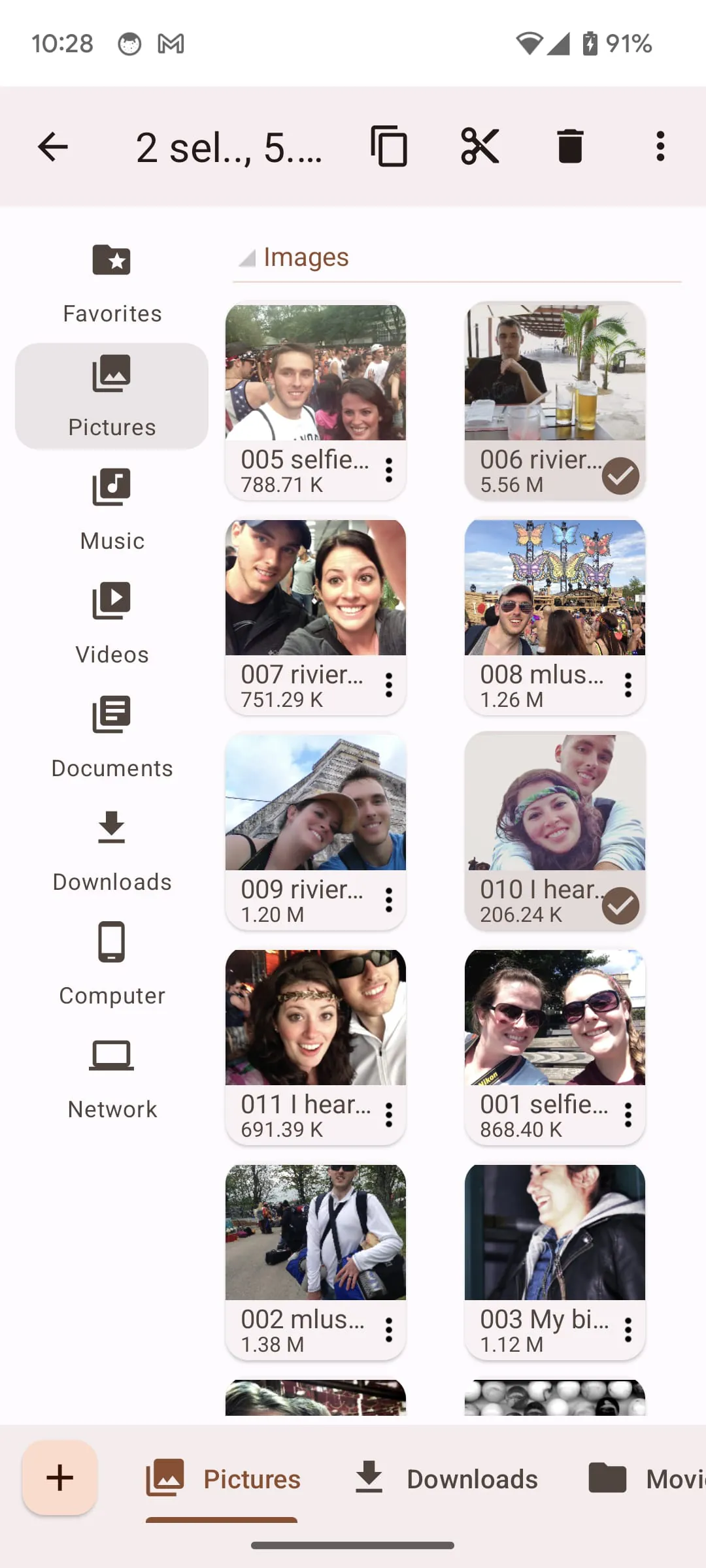
- File & Folder Operations: Create, copy, move, rename, and delete files and folders.
- Content Preview: View thumbnails of images and videos, and preview text file contents without opening them.
- File Organization: Sort and group items by name, date, type, size, and other attributes.
- System Access: Access and modify system directories, control panel settings, and application data folders.
- Data Sharing: Easily share files via email, network sharing, or cloud links directly from the interface.
How to Use
Click the button "Check All Versions" below to download and install it. As File Explorer is an integral part of Windows, it is already running on your PC. You can launch it by clicking the folder icon on your taskbar, pressing the Windows key + E on your keyboard, or searching for "File Explorer" in the Start menu. Once open, use the left-hand navigation pane to select a location like "This PC" or "Documents." You can then browse folders, select items by clicking on them, and use the Home tab on the ribbon for actions like copy, paste, or rename. To search, simply use the search box in the top-right corner, and to change how files are displayed, use the "View" tab.




 APK
APK  Google Play
  iOS
iOS  4.50
4.50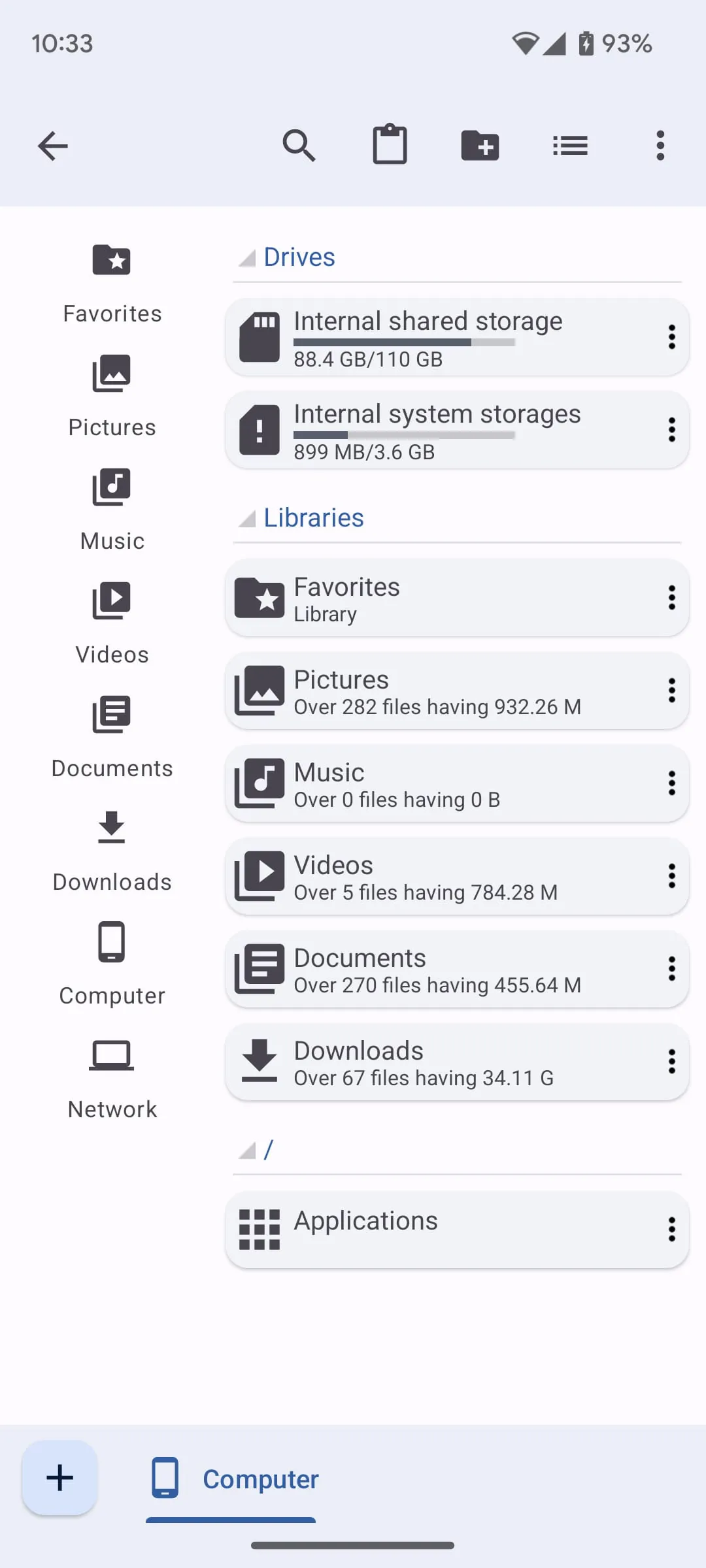
 Download