

NNI365 NNI365
Category
MedicalTag
Infant Nutrition | Maternal Nutrition | NNI Workshops | CPD Points | Nutrition Science
Rate
0.00
★★★★★
Reviews
500 +
Installs
1k +
Developer
NESTLÉ
Content Rating
Everyone
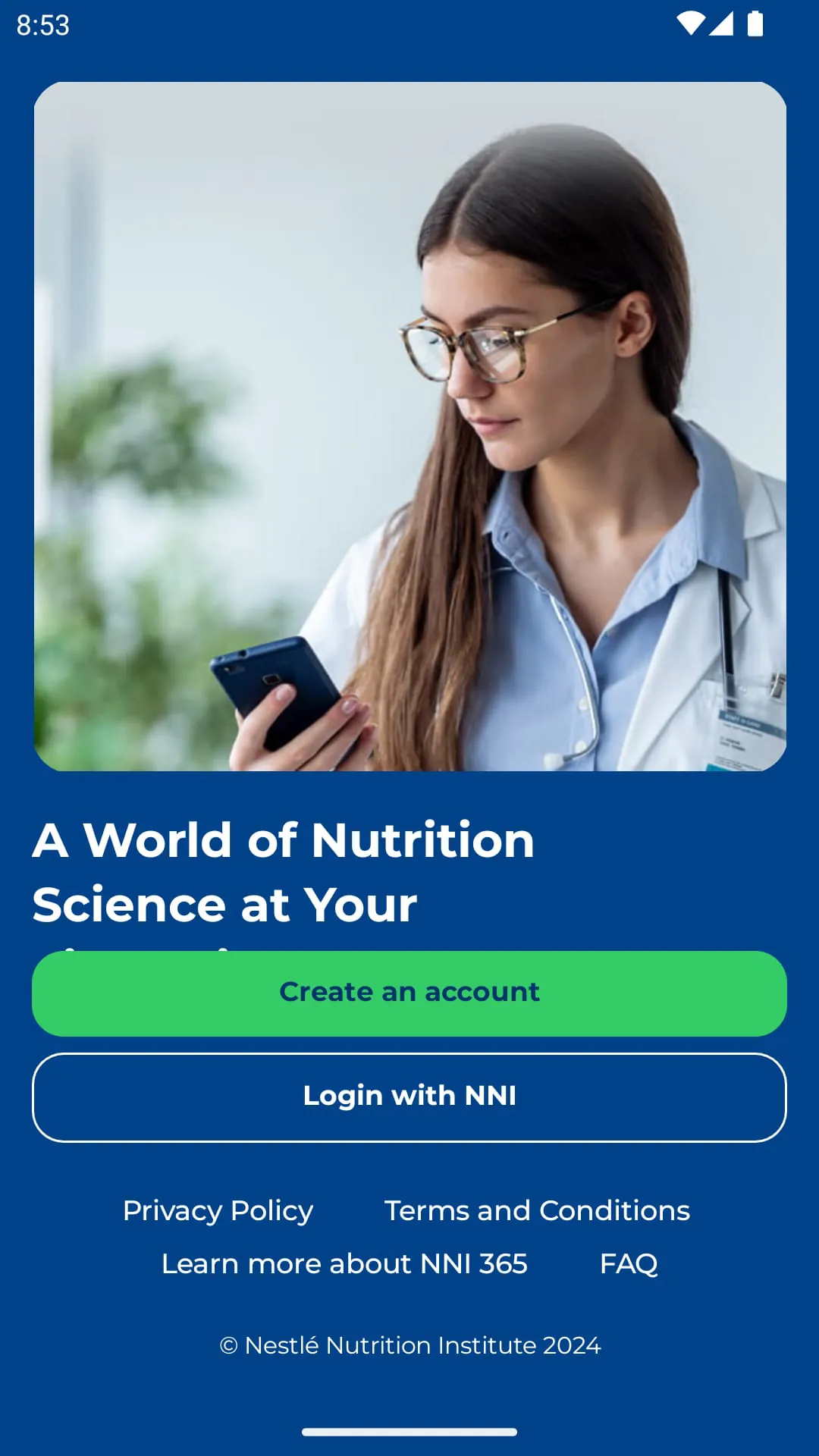
Scientific medical nutrition resources for Healthcare Professionals
 APK
APK  Google Play
  iOS
iOS  0.00
0.00 Author's Review
Appspicked Review
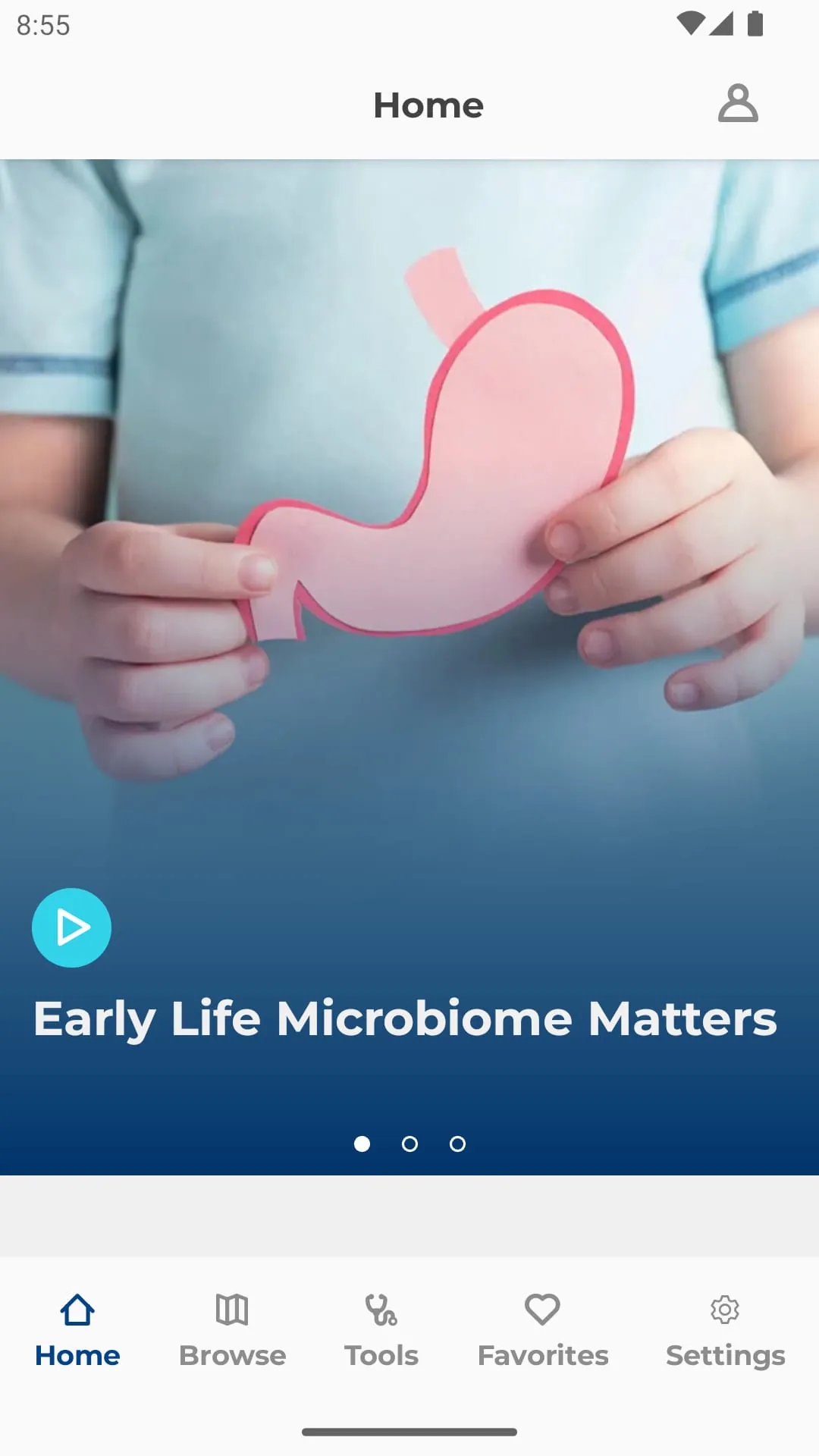
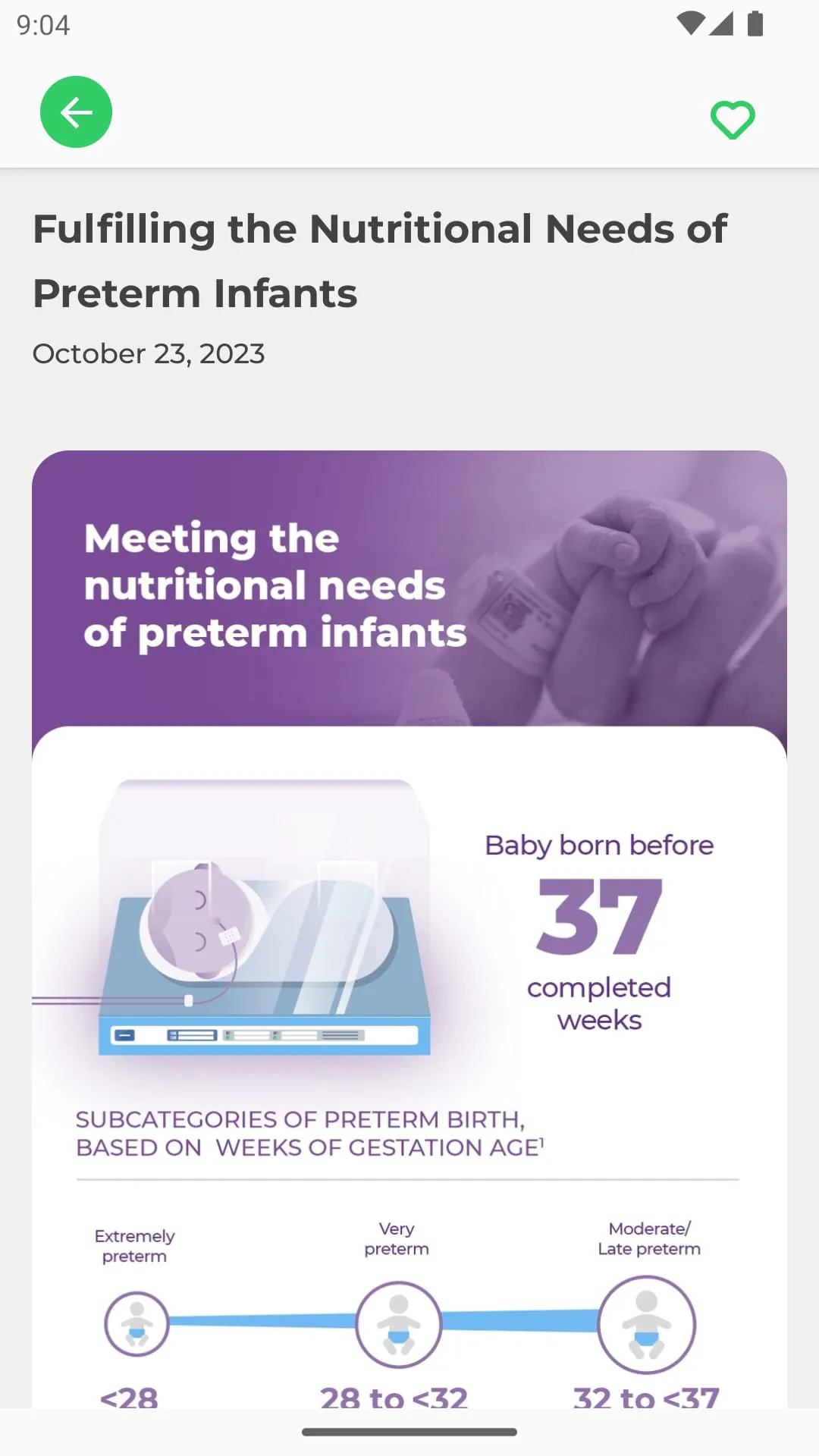
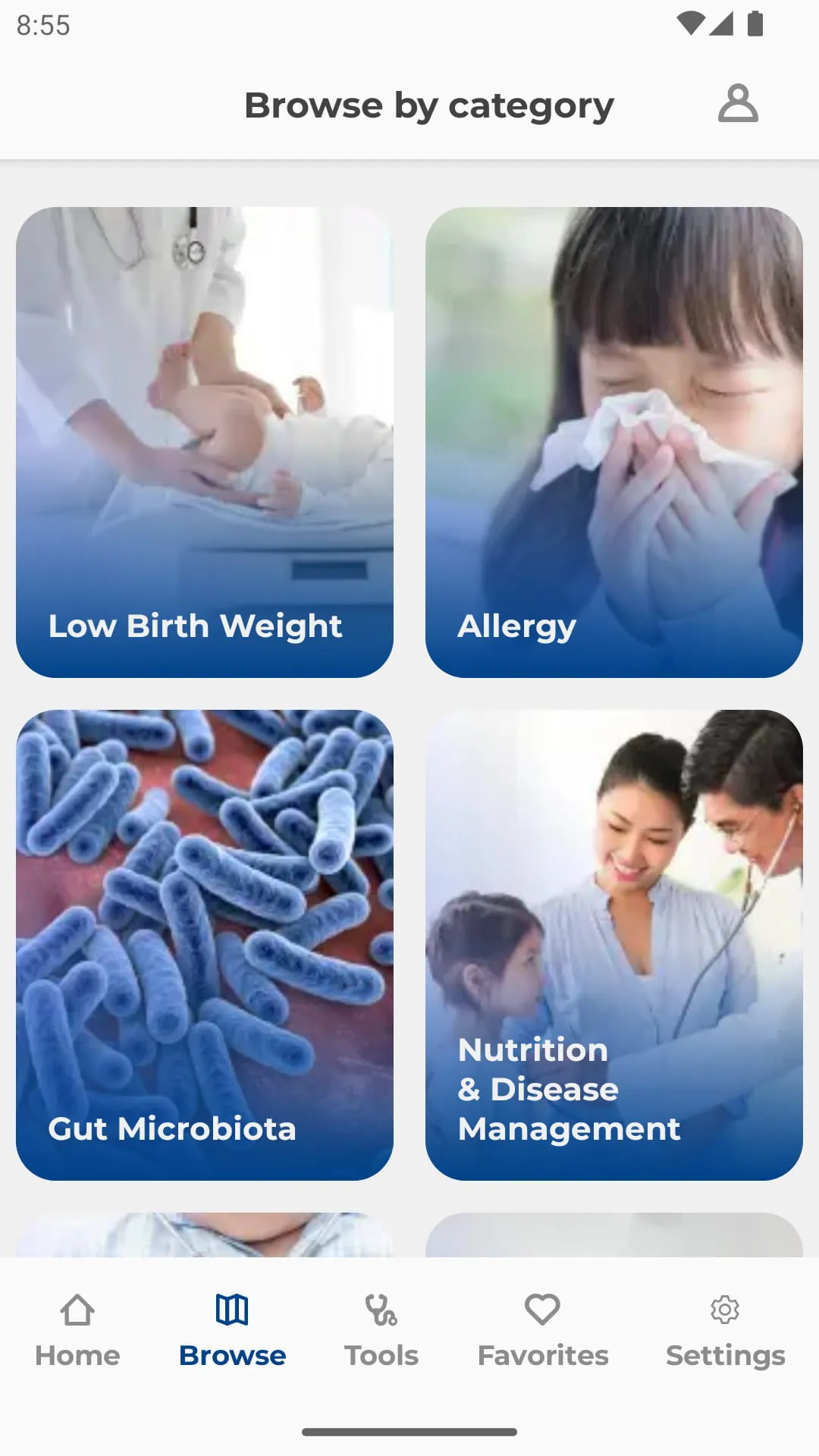
The landscape of infant and maternal nutrition is a multifaceted domain, encompassing a wide array of scientific disciplines and practical applications. Accessing reliable resources and continuous learning opportunities is paramount for healthcare professionals, researchers, and policymakers involved in this critical field. The science underpinning infant and maternal nutrition is constantly evolving, driven by ongoing research and a deeper understanding of the intricate relationships between nutrient intake, physiological processes, and long-term health outcomes. High-quality resources are essential for disseminating the latest findings and best practices to those who can translate this knowledge into tangible improvements in the health and well-being of mothers and their children. A comprehensive approach to infant and maternal nutrition necessitates a thorough understanding of the physiological changes that occur during pregnancy, lactation, and early childhood. These changes influence nutrient requirements and the ability of the body to absorb and utilize essential vitamins, minerals, and macronutrients. Factors such as genetics, environmental exposures, and pre-existing health conditions can further modify these requirements, highlighting the need for individualized nutritional guidance. The availability of resources that address these complex interactions is crucial for healthcare providers to develop effective and tailored interventions. Furthermore, staying abreast of the latest publications in the field of infant and maternal nutrition is indispensable for evidence-based practice. Peer-reviewed journals, research reports, and expert consensus statements provide a platform for sharing new discoveries, evaluating existing interventions, and identifying areas where further investigation is needed. Access to these publications allows practitioners to critically appraise the available evidence and integrate it into their clinical decision-making. The dissemination of research findings through accessible channels, such as online databases and professional networks, is essential for ensuring that the most up-to-date information reaches those who can benefit from it. Moreover, participation in workshops and conferences focused on infant and maternal nutrition provides invaluable opportunities for professional development and networking. These events bring together leading experts, researchers, and practitioners to share their knowledge, discuss emerging trends, and collaborate on innovative solutions. Workshops often involve hands-on training and interactive sessions that allow participants to apply new skills and techniques in a practical setting. Conferences provide a platform for presenting original research, disseminating best practices, and engaging in discussions that shape the future of the field. The opportunity to interact with peers and learn from experienced professionals can significantly enhance the knowledge and skills of those working in infant and maternal nutrition. In addition to formal education and training, continuous professional development (CPD) is essential for maintaining competence and staying current with advancements in the field. CPD activities, such as attending webinars, completing online courses, and participating in journal clubs, allow healthcare professionals to expand their knowledge base, refine their clinical skills, and meet the evolving needs of their patients. The accreditation of CPD activities by reputable organizations ensures that they meet high standards of quality and relevance. The availability of CPD points provides an incentive for professionals to engage in ongoing learning and demonstrate their commitment to providing the best possible care. By investing in resources and learning opportunities in infant and maternal nutrition, we can empower healthcare professionals, researchers, and policymakers to make informed decisions and implement effective strategies that promote the health and well-being of mothers and their children. This commitment is essential for building a healthier future for generations to come. Access to comprehensive and up-to-date resources forms the bedrock of informed decision-making and effective interventions in this critical area of healthcare. Therefore, continuous efforts should be made to expand and improve the availability of such resources to all stakeholders involved in promoting optimal nutrition for infants and mothers.
NNI workshops play a pivotal role in advancing the understanding and application of infant and maternal nutrition principles. These workshops serve as vital platforms for knowledge dissemination, skill enhancement, and collaborative learning among healthcare professionals, researchers, and other stakeholders. The workshops are meticulously designed to cover a wide spectrum of topics, ranging from the fundamental aspects of nutrient requirements during pregnancy and lactation to the latest advancements in nutritional interventions for infants and young children. The format of NNI workshops typically involves a combination of lectures, interactive discussions, case studies, and hands-on training sessions. Expert speakers and facilitators are carefully selected to ensure that participants receive high-quality instruction and guidance. The workshops often incorporate real-world scenarios and practical exercises to enhance the learning experience and enable participants to apply their newly acquired knowledge in their respective settings. One of the key benefits of NNI workshops is the opportunity to engage in networking and knowledge sharing with peers from diverse backgrounds and geographical locations. Participants can exchange ideas, discuss challenges, and learn from each other's experiences. This collaborative environment fosters innovation and promotes the development of evidence-based solutions to address the complex nutritional needs of infants and mothers. The workshops also serve as a valuable platform for researchers to present their latest findings and receive feedback from experts in the field. This interaction can help to refine research methodologies, identify areas for further investigation, and accelerate the translation of research into practice. NNI workshops are often accredited for continuing professional development (CPD) points, providing an added incentive for healthcare professionals to participate. CPD points are a recognized measure of professional development and are often required for maintaining licensure or certification. The workshops are designed to meet the specific learning needs of different target audiences, including physicians, nurses, dietitians, lactation consultants, and public health professionals. The content is tailored to the knowledge level and professional responsibilities of the participants, ensuring that the learning experience is relevant and engaging. NNI workshops are typically held in various locations around the world, making them accessible to a wide range of participants. The workshops are often co-sponsored by local organizations and institutions, which helps to ensure that the content is culturally appropriate and relevant to the specific needs of the region. In addition to the in-person workshops, NNI also offers a variety of online resources and learning materials, including webinars, e-learning modules, and online forums. These resources provide a convenient way for healthcare professionals to stay up-to-date on the latest advancements in infant and maternal nutrition and to earn CPD points from the comfort of their own homes or offices. The NNI is committed to providing high-quality educational resources and learning opportunities to healthcare professionals around the world. By investing in the education and training of healthcare professionals, the NNI aims to improve the health and well-being of infants and mothers globally. The impact of NNI workshops extends far beyond the individual participants. By equipping healthcare professionals with the knowledge and skills they need to provide optimal nutritional care, the workshops contribute to improved health outcomes for infants and mothers in communities around the world. The NNI's commitment to education and training is a vital component of its mission to promote the science of nutrition and improve the health of populations worldwide. The NNI workshops serve as a catalyst for change, empowering healthcare professionals to make a positive impact on the lives of infants and mothers. They help to bridge the gap between research and practice, ensuring that the latest scientific evidence is translated into effective interventions that improve nutritional outcomes and promote healthy development.
Staying informed about upcoming conferences and events in the field of infant and maternal nutrition is crucial for professionals seeking to enhance their knowledge, expand their networks, and contribute to the advancement of the field. Conferences and events provide a unique opportunity to learn from leading experts, engage in discussions about emerging trends, and discover new research findings. These gatherings also offer a platform for networking with colleagues from diverse backgrounds and geographical locations, fostering collaboration and innovation. The benefits of attending conferences and events in infant and maternal nutrition are multifaceted. Firstly, these events provide access to cutting-edge research and best practices. Presenters often share the latest findings from clinical trials, observational studies, and other research projects, providing attendees with insights into the most effective strategies for promoting optimal nutrition for infants and mothers. Secondly, conferences and events offer opportunities for continuing education and professional development. Many events offer continuing education credits or units, which are often required for maintaining professional licensure or certification. These educational sessions cover a wide range of topics, from the basic principles of nutrition to the latest advancements in clinical practice. Thirdly, conferences and events facilitate networking and collaboration. Attendees have the opportunity to meet and interact with colleagues from around the world, sharing ideas, discussing challenges, and forming partnerships. These interactions can lead to new research collaborations, innovative program development, and improved patient care. Fourthly, conferences and events provide a platform for showcasing new products and services. Exhibitors often display the latest technologies, products, and services related to infant and maternal nutrition, providing attendees with the opportunity to learn about new resources and tools that can support their work. Fifthly, conferences and events inspire and motivate attendees. By hearing from leading experts and interacting with passionate colleagues, attendees can gain renewed enthusiasm for their work and a stronger commitment to improving the health and well-being of infants and mothers. To maximize the benefits of attending conferences and events, it is important to plan ahead. Before attending an event, review the program and identify sessions that align with your interests and learning objectives. Consider attending sessions on topics that are new to you or that you want to learn more about. Prepare questions to ask the presenters and engage in discussions with other attendees. Take notes during the sessions and review them afterward to reinforce your learning. After the event, share what you learned with your colleagues and implement new strategies in your practice. Follow up with the contacts you made at the event and explore opportunities for collaboration. The information shared at conferences and events in infant and maternal nutrition is constantly evolving, driven by ongoing research and a deeper understanding of the complex interactions between nutrition, health, and development. By staying informed about upcoming events and actively participating in these gatherings, professionals can remain at the forefront of the field and contribute to improving the lives of infants and mothers worldwide. The knowledge gained and connections made at these events can have a lasting impact on their careers and on the health of the populations they serve. The commitment to continuous learning and collaboration is essential for advancing the field of infant and maternal nutrition and ensuring that all infants and mothers have the opportunity to thrive.
Screenshots
 Download
 Additional Information
Category
MedicalVersion
Unknown
Tag
Infant Nutrition | Maternal Nutrition | NNI Workshops | CPD Points | Nutrition Science
Rate
0.00
★★★★★
Reviews
500 +
Installs
1k +
Developer
NESTLÉ
Content Rating
Everyone
Scientific medical nutrition resources for Healthcare Professionals
Previous Versions
ZIP files require a Split APKs Installer (e.g., SAI) from Google Play to install. Steps: 1. Download SAI from Google Play; 2. Open SAI and tap "Install APKs"; 3. Select the ZIP file; 4. Complete installation.
You Might Like