


ADVERTISEMENT
ADVERTISEMENT

Naver Papago Naver Papago
Category
ToolsVersion
V1.10.7
Tag
translator | translations | papago
Rate
4.60
★★★★★
Reviews
500 +
Installs
10M +
Developer
NAVER Corp.
Content Rating
Everyone
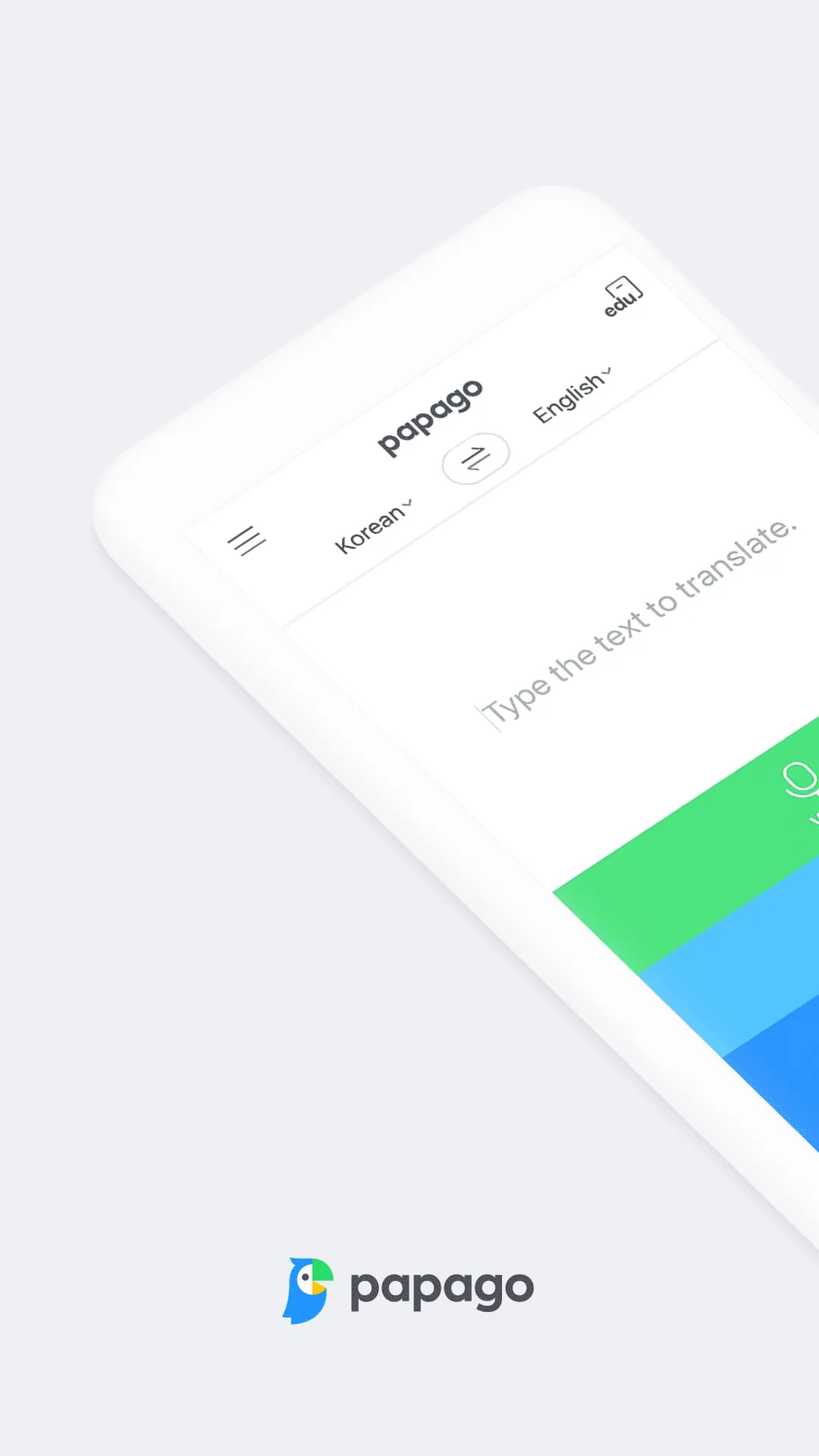
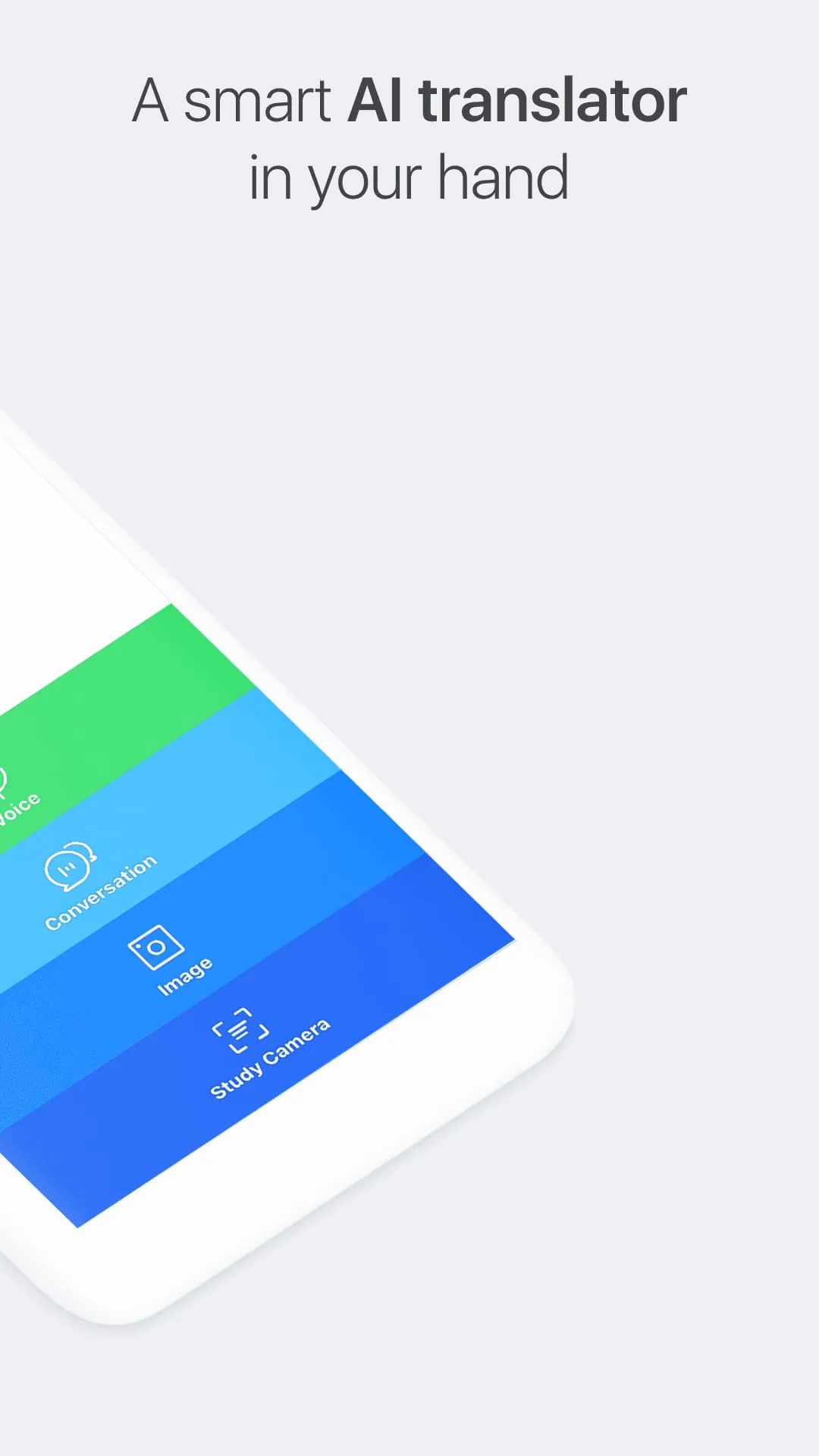
Smart AI Translator, dreaming of a world communicating without language barriers
 APK
APK  Google Play
  iOS
iOS  4.60
4.60ADVERTISEMENT
ADVERTISEMENT
Author's Review
appspicked Review
Screenshots
Additional Information
Category
ToolsVersion
V1.10.7
Tag
translator | translations | papago
Rate
4.60
★★★★★
Reviews
500 +
Installs
10M +
Developer
NAVER Corp.
Content Rating
Everyone
Smart AI Translator, dreaming of a world communicating without language barriers
ADVERTISEMENT
ADVERTISEMENT
Previous Versions
ZIP files require a Split APKs Installer (e.g., SAI) from Google Play to install. Steps: 1. Download SAI from Google Play; 2. Open SAI and tap "Install APKs"; 3. Select the ZIP file; 4. Complete installation.
V1.10.7

Package Name
com.naver.labs.translator
Version Name
V1.10.7
Version Code
V1.10.7
File Size
131.85 MB
Update time
2024-1-31
V1.10.5
Package Name
com.naver.labs.translator
Version Name
V1.10.5
Version Code
V1.10.5
File Size
126.69 MB
Update time
2023-12-18
V1.10.2
Package Name
com.naver.labs.translator
Version Name
V1.10.2
Version Code
V1.10.2
File Size
124.22 MB
Update time
2023-10-30
V1.9.29
Package Name
com.naver.labs.translator
Version Name
V1.9.29
Version Code
V1.9.29
File Size
140.89 MB
Update time
2023-8-17
V1.9.27
Package Name
com.naver.labs.translator
Version Name
V1.9.27
Version Code
V1.9.27
File Size
140.89 MB
Update time
2023-8-10
V1.9.26
Package Name
com.naver.labs.translator
Version Name
V1.9.26
Version Code
V1.9.26
File Size
140.89 MB
Update time
2023-8-4
V1.9.22
Package Name
com.naver.labs.translator
Version Name
V1.9.22
Version Code
V1.9.22
File Size
61.09 MB
Update time
2023-6-5
V1.9.21
Package Name
com.naver.labs.translator
Version Name
V1.9.21
Version Code
V1.9.21
File Size
58.15 MB
Update time
2023-5-4
ADVERTISEMENT
You Might Like