


ADVERTISEMENT
ADVERTISEMENT

Memento Database Memento Database
Category
ProductivityTag
Data Analysis | Memento Database | Database Management | Customizable Solution | Cross-Platform Compatibility
Rate
4.40
★★★★★
Reviews
500 +
Installs
1M +
Developer
MementoDB Inc.
Content Rating
Everyone
Organize anything: Flexible database for personal and business data tracking
 APK
APK  Google Play
  iOS
iOS  4.40
4.40ADVERTISEMENT
ADVERTISEMENT
Author's Review
appspicked Review
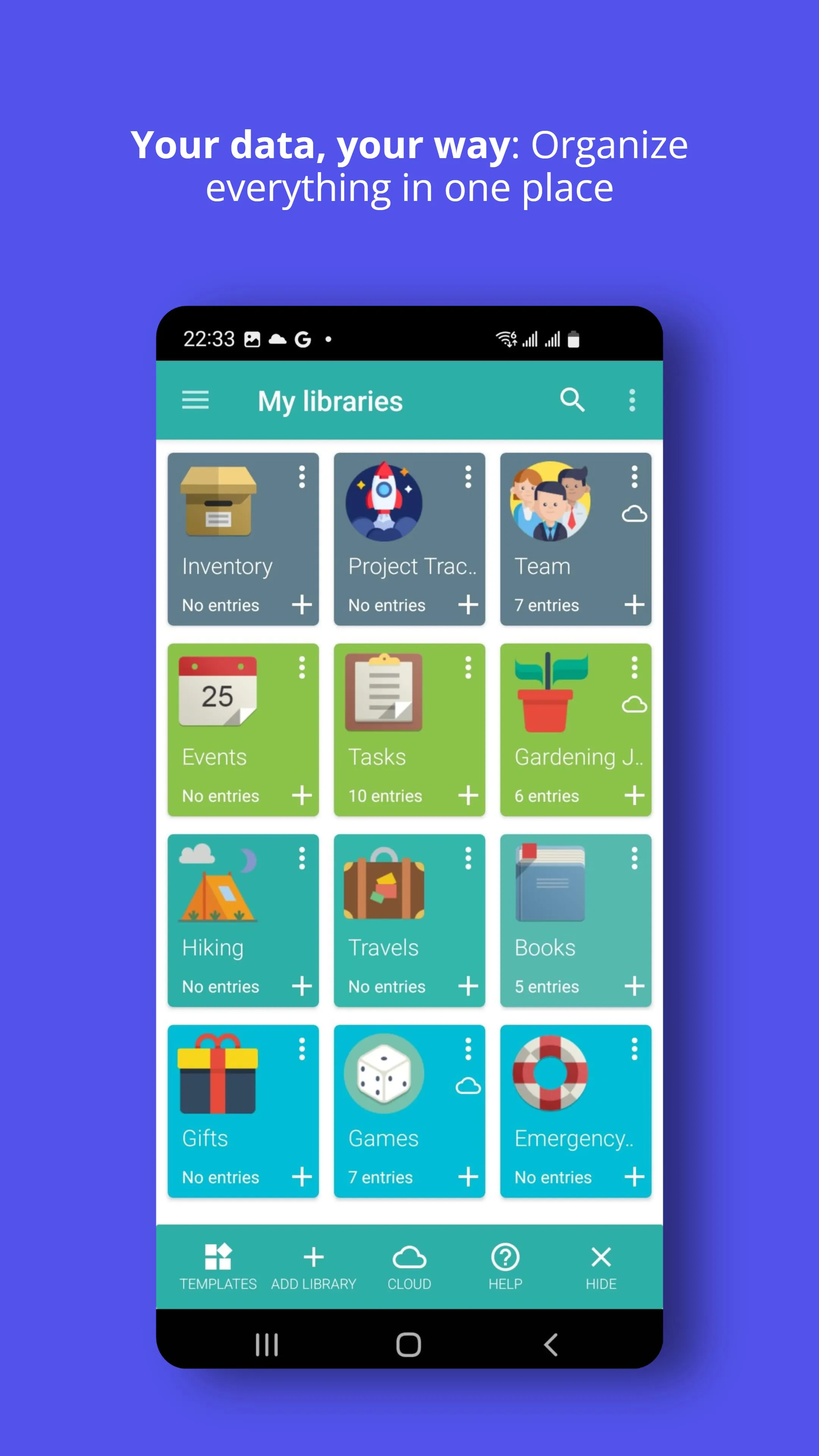
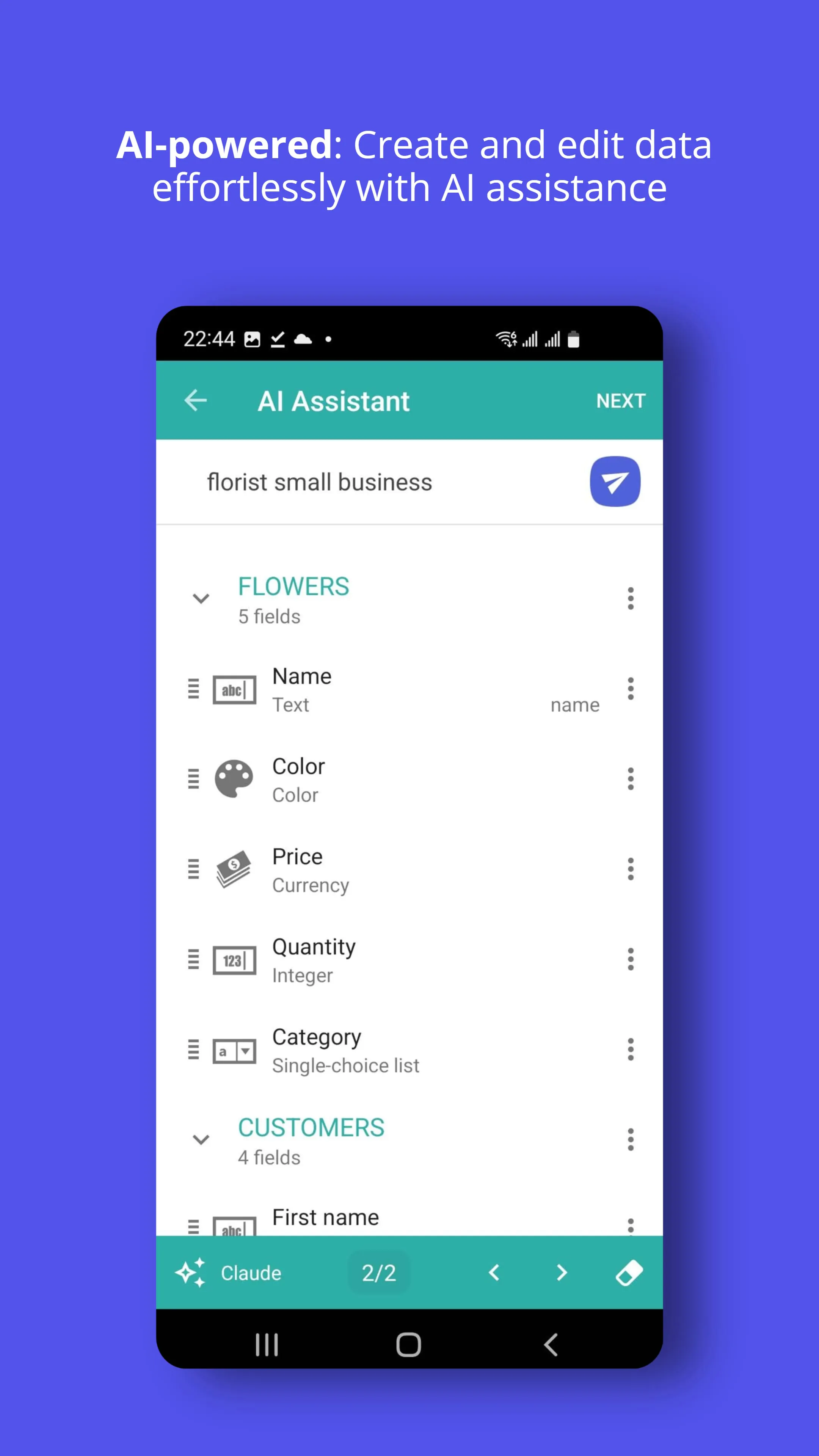
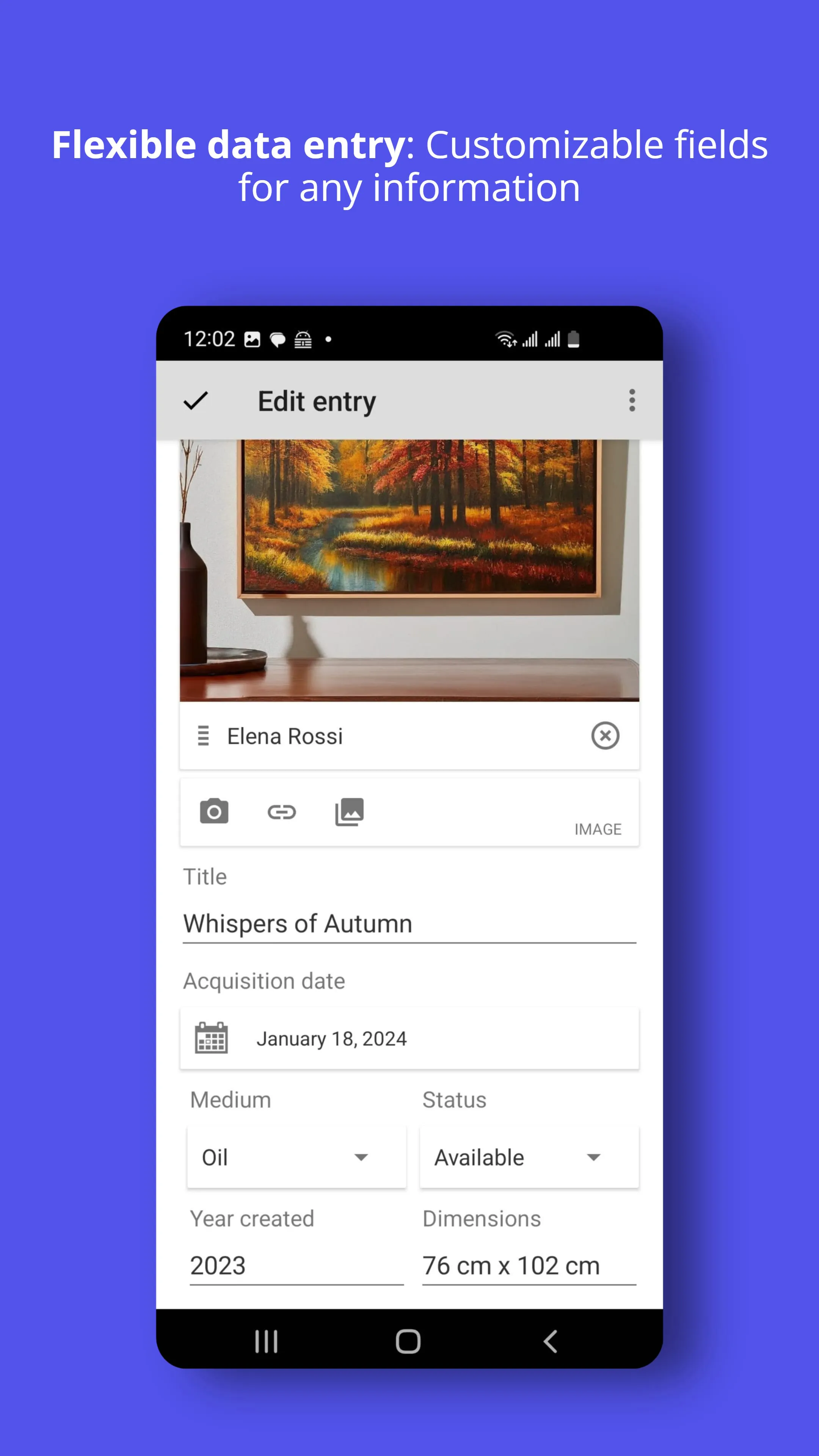
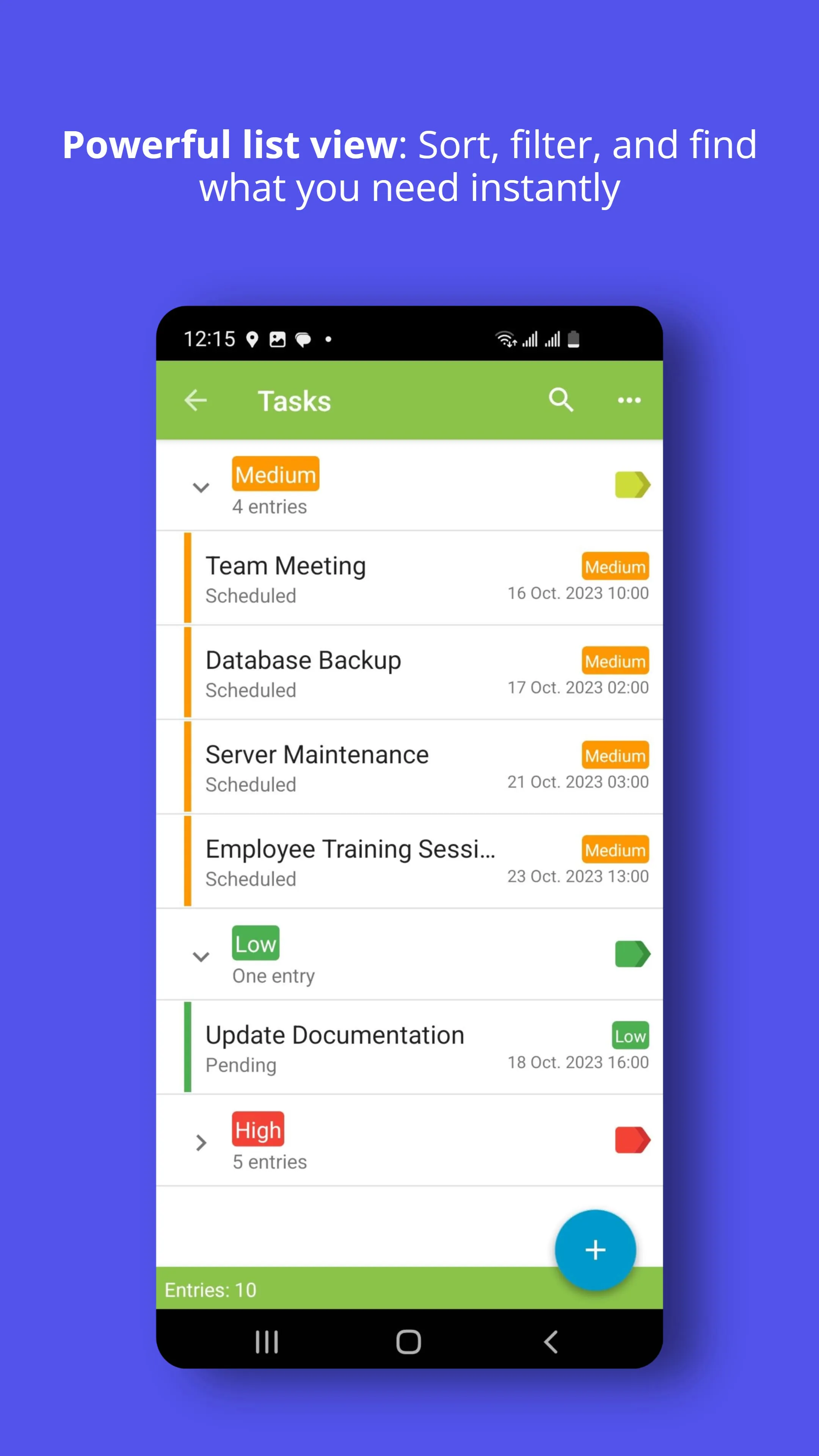
Memento Database is presented as a versatile and user-friendly database management solution designed to empower individuals and teams to efficiently manage a wide range of information. Unlike conventional database tools, Memento distinguishes itself by providing a robust feature set encapsulated within an intuitive interface, catering to both experienced users and those seeking straightforward solutions for their data organization needs. The core functionalities of Memento Database revolve around enabling users to store entries with custom fields, perform in-depth data analysis, visualize data in multiple formats, and collaborate seamlessly across various platforms. The ability to define custom fields allows for highly tailored data structures, ensuring that users can capture and organize information according to their specific requirements. The data analysis capabilities encompass aggregation, charting, sorting, grouping, and filtering, providing users with the tools to extract meaningful insights from their data. Furthermore, the flexibility in data visualization, including list, card, table, map, and calendar formats, ensures that information can be presented in the most appropriate and accessible manner. Collaboration features, such as cloud storage and the ability to grant access to libraries to other users, facilitate teamwork and information sharing. Memento Database also supports offline data entry, ensuring that users can continue to work even without an internet connection. The cross-platform compatibility, allowing access to data from multiple Android devices, laptops, and desktop computers, enhances flexibility and convenience. Users can create data collection forms to streamline data input, and the software supports a wide array of field types, including text, integers, real numbers, boolean values, date/time, ratings, checkboxes, radio buttons, currency, images, signatures, files, audio, contacts, calculations, JavaScript, and geolocation using Google Maps coordinates. This extensive range of field types ensures that users can capture diverse types of information within their databases. Memento Database also supports relationships between libraries, including one-to-many, one-to-one, and many-to-many relationships, enabling the creation of complex and interconnected data structures. Data import and export capabilities, including CSV files and compatibility with programs like Microsoft Excel and FileMaker, ensure interoperability with other applications. The ability to populate database entries with data from web services and other sources further enhances the versatility of Memento Database. Additional features include scripting capabilities (triggers, script data sources), password protection (AES-128 encryption), various graph types (pie, line, bar, column, area, scatter, stepped area), aggregation functions (sum, max, min, average), reminders, and barcode search functionality. These features collectively contribute to a comprehensive and adaptable database management solution suitable for a wide range of users and applications. The versatility of Memento Database is further underscored by its support for various relationship types between libraries. This includes one-to-many, one-to-one, and many-to-many relationships, enabling users to model intricate data structures that accurately reflect real-world scenarios. For instance, a library of customers can be linked to a library of orders in a one-to-many relationship, where each customer can have multiple orders. This capability is particularly useful for managing complex data sets where relationships between different entities are crucial. The software also provides robust data import and export functionalities, ensuring seamless integration with other applications. It supports the import and export of CSV files, a common format for exchanging data between different programs. This allows users to easily transfer data from spreadsheets or other database systems into Memento Database and vice versa. The software is also compatible with popular programs like Microsoft Excel and FileMaker, further enhancing its interoperability. In addition to these core features, Memento Database offers a range of advanced capabilities that cater to more sophisticated users. These include scripting, which allows users to automate tasks and customize the behavior of the database. Users can create triggers that automatically execute scripts based on specific events, such as when a new entry is added or an existing entry is modified. The software also supports script data sources, which allow users to retrieve data from external sources and integrate it into their databases. For security-conscious users, Memento Database provides password protection with AES-128 encryption. This ensures that sensitive data is protected from unauthorized access. The software also offers a variety of graph types for visualizing data, including pie charts, line charts, bar charts, column charts, area charts, scatter plots, and stepped area charts. These graphs can be used to identify trends and patterns in the data. Memento Database also includes aggregation functions, such as sum, max, min, and average, which can be used to calculate summary statistics for the data. The software also provides reminder functionality, which allows users to set reminders for important events or tasks. Finally, Memento Database includes barcode search functionality, which allows users to quickly find entries in the database by scanning barcodes.
The target users for Memento Database span a broad spectrum, ranging from individuals seeking a simple tool for managing personal information to organizations requiring a robust solution for team collaboration and data management. For individual users, Memento Database offers a user-friendly platform for organizing various aspects of their lives, such as grocery lists, collections, or recipe repositories. These users appreciate the ability to create custom libraries tailored to their specific needs, without the complexity of traditional database systems. Intermediate users, who need to track several related activities, can leverage Memento Database to create interconnected libraries that provide a comprehensive view of their data. Power users, who often push the boundaries of traditional database applications, find Memento Database to be a versatile tool for scripting, managing complex data structures, and developing specialized solutions for retail, media, inventory management, product catalogs, and charting. For organizations and businesses, Memento Database offers features that facilitate teamwork, cross-platform compatibility, cloud storage and coordination, and offline data collection. These users benefit from the ability to collaborate on shared databases, access data from multiple devices, and collect data in the field without an internet connection. The availability of pre-defined, ready-to-use libraries in the Memento online catalog further accelerates the adoption of the software, providing users with a starting point for their database projects. These user templates cater to diverse needs and can be used directly or as a foundation for further customization. The software's flexibility in handling various data types and its ability to create relationships between different libraries make it an ideal solution for managing complex information structures. The ability to define custom fields allows users to capture specific data points that are relevant to their needs, while the relationship features enable them to create interconnected databases that reflect the real-world relationships between different entities. This level of customization and flexibility is particularly valuable for organizations that need to manage large and complex data sets. Memento Database also supports data import and export from various file formats, making it easy to integrate with existing systems. Users can import data from CSV files, spreadsheets, and other databases, and they can export data in various formats for use in other applications. This interoperability ensures that Memento Database can be seamlessly integrated into existing workflows. In addition to its core database management features, Memento Database offers a range of advanced features that cater to more sophisticated users. These include scripting capabilities, which allow users to automate tasks and customize the behavior of the database. Users can create triggers that automatically execute scripts based on specific events, such as when a new record is added or an existing record is modified. The software also includes a built-in scripting language that allows users to create custom functions and procedures. For security-conscious users, Memento Database provides password protection and encryption to safeguard sensitive data. Users can set passwords to restrict access to specific databases, and they can encrypt data to prevent unauthorized access. The software also supports various authentication methods, including username/password authentication and two-factor authentication. Memento Database is designed to be a flexible and adaptable database management solution that can be used by a wide range of users, from individuals to organizations. Its user-friendly interface, powerful features, and advanced capabilities make it an ideal choice for managing complex information structures and streamlining data workflows. The software's ability to be customized and integrated with other systems ensures that it can be seamlessly adapted to meet the specific needs of any user or organization.
Synchronization capabilities are a cornerstone of Memento Database, enabling users to maintain consistent data across multiple devices and platforms. The software supports synchronization of database elements, including libraries (tables) and associated files, through various cloud services. This ensures that users can access their data from anywhere, whether they are using a mobile device, a laptop, or a desktop computer. The synchronization process is seamless and automatic, ensuring that data is always up-to-date across all devices. In addition to cloud-based synchronization, Memento Database also supports synchronization with Google Sheets, allowing users to seamlessly integrate their data with Google's popular spreadsheet application. This integration allows users to manipulate and analyze their data in either Memento Database or Google Sheets, providing flexibility and convenience. The ability to synchronize with Google Sheets also facilitates collaboration, as multiple users can work on the same data simultaneously. Furthermore, Memento Database supports the import and export of CSV files, enabling seamless integration with external applications such as Microsoft Excel. This allows users to easily transfer data between Memento Database and other applications, ensuring that data is always accessible and usable. The synchronization features of Memento Database are designed to enhance collaboration and productivity, enabling users to work together seamlessly on shared data. The ability to access data from anywhere and synchronize it across multiple devices ensures that users are always working with the most up-to-date information. The integration with Google Sheets and the support for CSV files further enhance the versatility of Memento Database, making it an ideal solution for managing data in a collaborative environment. In addition to its synchronization capabilities, Memento Database offers a range of other features that enhance its usability and functionality. The software has a user-friendly interface that makes it easy to create and manage databases. It supports a wide range of data types, including text, numbers, dates, images, and files. It also allows users to create custom fields and relationships between different libraries, enabling them to model complex data structures. Memento Database also includes a powerful search engine that allows users to quickly find specific data within their databases. The search engine supports various search operators, such as wildcards and regular expressions, allowing users to perform complex searches. The software also includes a reporting engine that allows users to generate reports from their data. The reporting engine supports various report formats, such as PDF, HTML, and CSV. Memento Database is designed to be a flexible and adaptable database management solution that can be used by a wide range of users, from individuals to organizations. Its synchronization capabilities, user-friendly interface, powerful features, and reporting engine make it an ideal choice for managing complex data structures and streamlining data workflows. The software's ability to be customized and integrated with other systems ensures that it can be seamlessly adapted to meet the specific needs of any user or organization. The ability for users to grant access to their data to others further enhances teamwork, allowing for coordinated data management and collaborative projects. This feature ensures that teams can work together efficiently, leveraging the full potential of the Memento Database platform. The platform's commitment to cross-platform compatibility ensures that users can seamlessly transition between devices and operating systems without compromising data integrity or functionality. This level of accessibility and convenience is crucial for modern teams that require flexibility and mobility in their data management practices.
Screenshots
 Download
 Additional Information
Category
ProductivityVersion
Unknown
Tag
Data Analysis | Memento Database | Database Management | Customizable Solution | Cross-Platform Compatibility
Rate
4.40
★★★★★
Reviews
500 +
Installs
1M +
Developer
MementoDB Inc.
Content Rating
Everyone
Organize anything: Flexible database for personal and business data tracking
ADVERTISEMENT
ADVERTISEMENT
Previous Versions
ZIP files require a Split APKs Installer (e.g., SAI) from Google Play to install. Steps: 1. Download SAI from Google Play; 2. Open SAI and tap "Install APKs"; 3. Select the ZIP file; 4. Complete installation.
ADVERTISEMENT
You Might Like