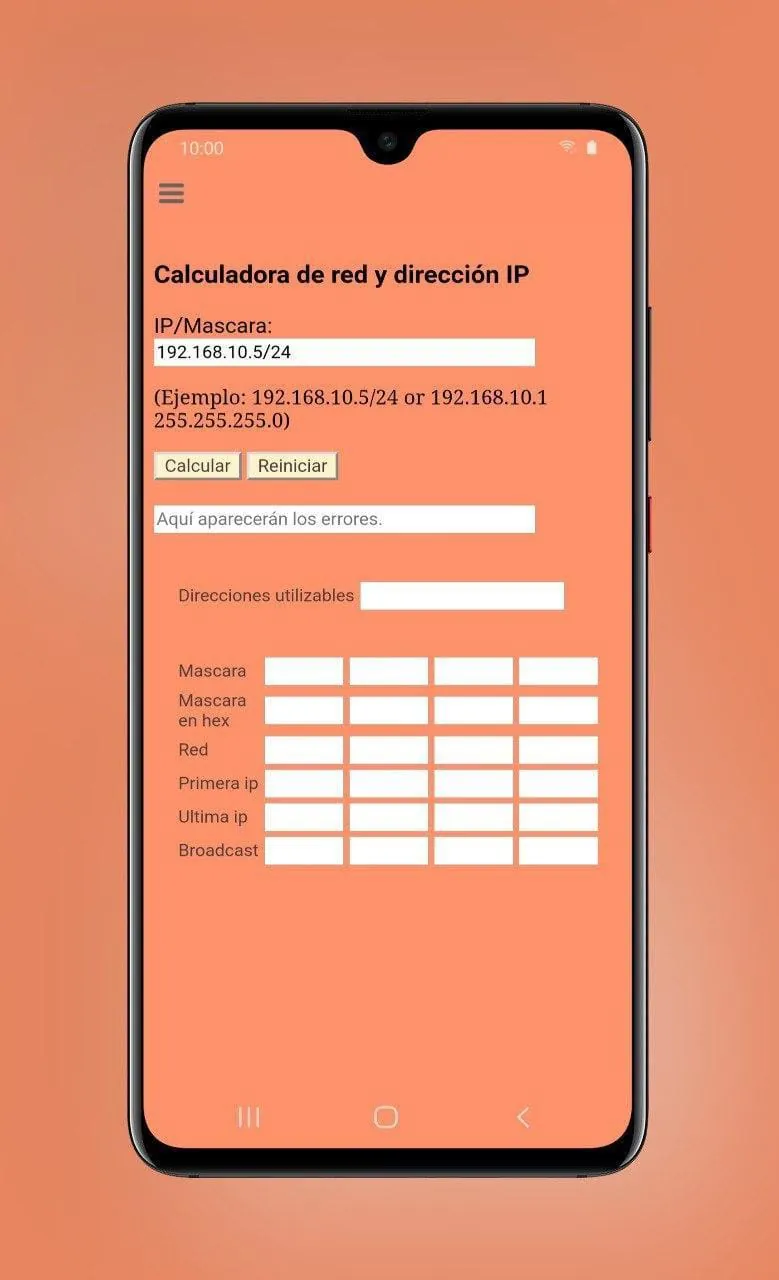
This text introduces a tool designed for individuals working in the IT sector who need a quick method to determine the number of IP addresses available within their network. The tool encompasses a range of functionalities related to IP addressing and network calculations, providing a comprehensive solution for network administrators and IT professionals. At its core, the tool operates as a network and IP address calculator, enabling users to perform essential calculations related to network addressing. It facilitates the determination of network addresses, broadcast addresses, and the range of usable IP addresses within a given network segment. This functionality is crucial for network planning, configuration, and troubleshooting, as it allows administrators to accurately allocate IP addresses and manage network resources effectively. The tool also provides support for dotted decimal subnet masks, a common notation used to represent subnet masks in IPv4 networks. Users can input or calculate subnet masks in this format, enabling them to define network boundaries and create subnets within a larger network. This is particularly useful for dividing a network into smaller, more manageable segments, improving network performance, and enhancing security. Furthermore, the tool includes a Class C subnet calculator, specifically designed for Class C networks. Class C networks are characterized by a default subnet mask of 255.255.255.0, providing a limited number of host addresses. The calculator allows users to create subnets within a Class C network, enabling them to accommodate a larger number of devices or isolate network traffic for security purposes. In addition to subnet calculations, the tool offers a feature to determine the number of addresses required for a specific network mask. This functionality allows users to specify the desired number of host addresses and the tool will calculate the appropriate subnet mask to accommodate that number of addresses. This is essential for network planning and resource allocation, ensuring that the network has sufficient IP addresses to support its devices and services. The tool also supports IP address conversion between different formats, including binary and hexadecimal. Users can convert IP addresses from decimal notation to binary or hexadecimal representation, and vice versa. This is useful for understanding the underlying structure of IP addresses and for troubleshooting network issues. The conversion capabilities extend to subnet masks, allowing users to convert subnet masks between decimal, binary, and hexadecimal formats. This comprehensive set of functionalities makes the tool a valuable asset for IT professionals who need to work with IP addresses and network configurations. By providing a centralized platform for performing essential calculations and conversions, the tool streamlines network management tasks and improves overall efficiency.
Beyond its core functionalities, the tool provides several additional features that enhance its utility and versatility. One such feature is the ability to calculate the network mask for a given number of usable addresses. This functionality is particularly useful when planning network expansions or when allocating IP addresses to new devices. Users can specify the number of addresses they need, and the tool will calculate the appropriate subnet mask to provide that number of addresses while minimizing wasted address space. This ensures efficient utilization of IP address resources and prevents address exhaustion. The tool also includes converters for decimal, binary, and hexadecimal number systems. These converters allow users to convert numbers between these different formats, which is useful for understanding the underlying structure of IP addresses, subnet masks, and other network parameters. For example, users can convert a decimal IP address to its binary representation to gain a deeper understanding of how the address is structured and how it is used for routing network traffic. Similarly, users can convert a hexadecimal number to its decimal equivalent to perform calculations or comparisons. The converters support both decimal-to-binary and binary-to-decimal conversions, as well as decimal-to-hexadecimal and hexadecimal-to-decimal conversions. This comprehensive set of conversion capabilities makes the tool a valuable resource for IT professionals who need to work with different number systems. Furthermore, the tool is designed to be user-friendly and intuitive, making it easy for users of all skill levels to access and utilize its features. The interface is clear and well-organized, with easy-to-understand labels and instructions. The calculations are performed quickly and accurately, providing users with reliable results. The tool is also designed to be platform-independent, meaning it can be used on a variety of operating systems and devices. This ensures that users can access the tool regardless of their preferred platform. Overall, the tool is a valuable resource for IT professionals who need a quick and easy way to perform IP address calculations and conversions. Its comprehensive set of features, user-friendly interface, and platform-independent design make it an essential tool for network management and troubleshooting.
In summary, this tool offers a suite of functionalities vital for IT professionals managing and configuring networks. Its core strength lies in simplifying complex IP address calculations and conversions, thereby enhancing network administration efficiency. The tool's ability to calculate network and IP addresses, along with the generation of dotted decimal subnet masks, provides a foundational capability for network planning and configuration. The inclusion of a Class C subnet calculator extends its utility, catering specifically to scenarios involving Class C networks and subnetting requirements. The feature that determines the required number of addresses for a given network mask is invaluable for resource allocation, ensuring optimal IP address utilization and preventing exhaustion. IP address conversion between decimal, binary, and hexadecimal formats adds another layer of versatility, enabling users to understand and manipulate IP addresses at a fundamental level. The tool's decimal-to-binary and decimal-to-hexadecimal converters further enhance its value, facilitating seamless transitions between different number systems. This comprehensive functionality set positions the tool as a one-stop solution for IP address-related tasks, reducing the need for multiple specialized tools. The intuitive design and platform-independent nature of the tool contribute to its accessibility and usability. The clear interface and straightforward instructions make it easy for users of varying technical expertise to navigate and utilize its features. The platform independence ensures that users can access the tool from any device or operating system, promoting flexibility and convenience. By centralizing essential IP address calculations and conversions, the tool streamlines network management workflows and minimizes the potential for errors. It empowers IT professionals to perform tasks more efficiently, freeing up valuable time for other critical responsibilities. Ultimately, this tool is a valuable asset for anyone involved in network administration, providing a comprehensive and user-friendly solution for IP address management.





 APK
APK  Google Play
  iOS
iOS  0.00
0.00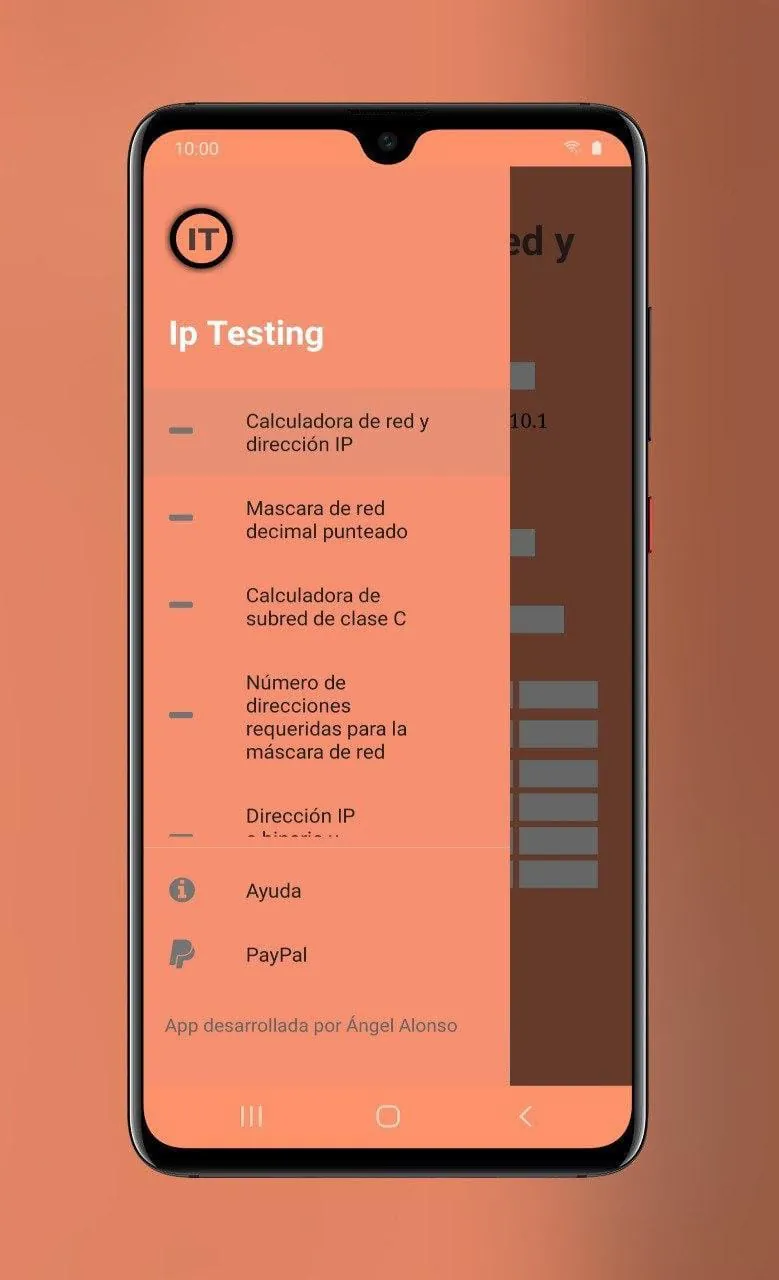

 Download