


ADVERTISEMENT
ADVERTISEMENT

Android Accessibility Suite Android Accessibility Suite
Category
ToolsVersion
V14.1.0.595874199
Tag
android | Accessibility | braille
Rate
4.00
★★★★★
Reviews
500 +
Installs
10B +
Developer
Google LLC
Content Rating
Everyone
Includes TalkBack, Accessibility Menu, and more.
 APK
APK  Google Play
  iOS
iOS  4.00
4.00ADVERTISEMENT
ADVERTISEMENT
Author's Review
appspicked Review
Screenshots
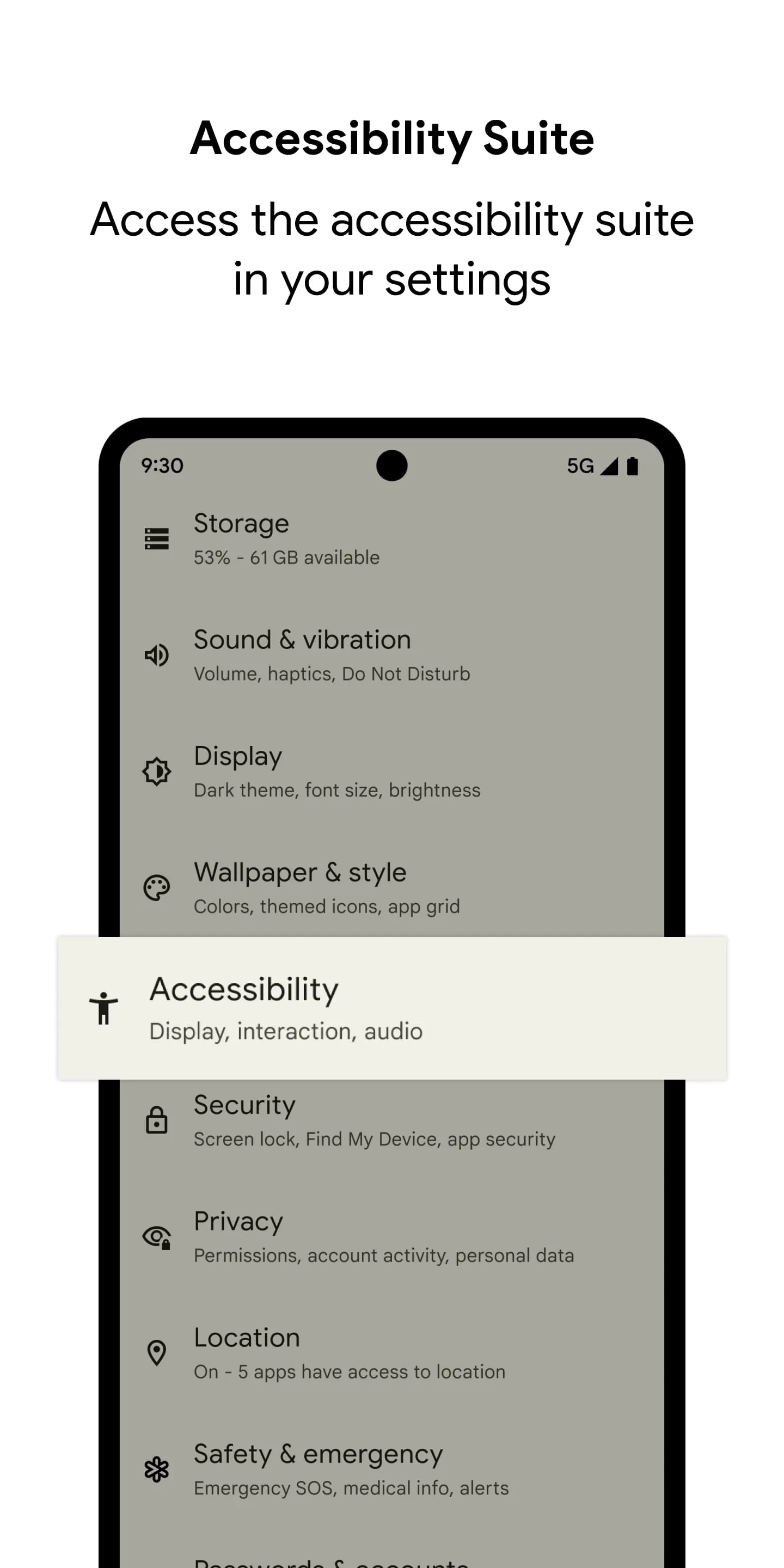
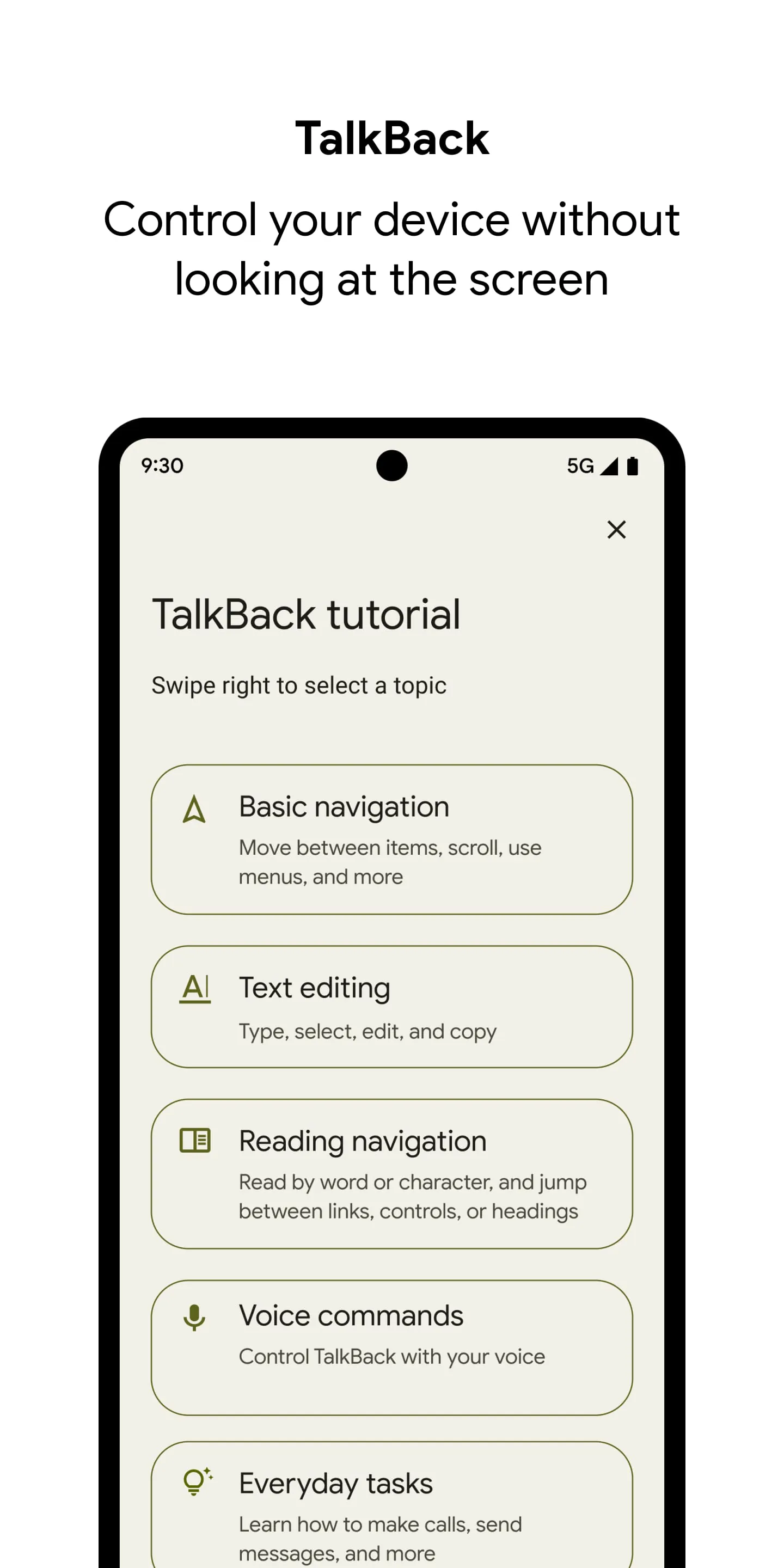
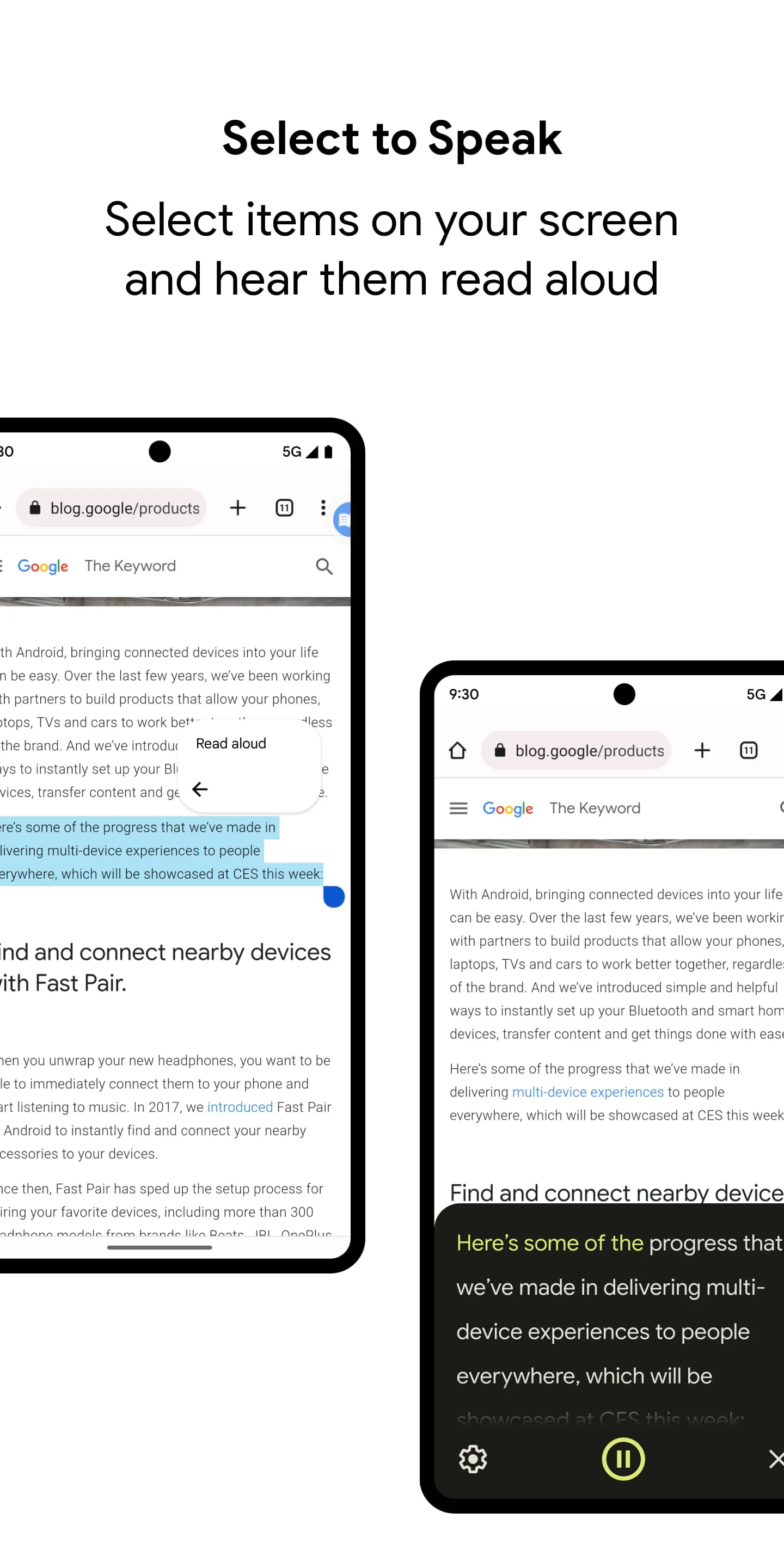
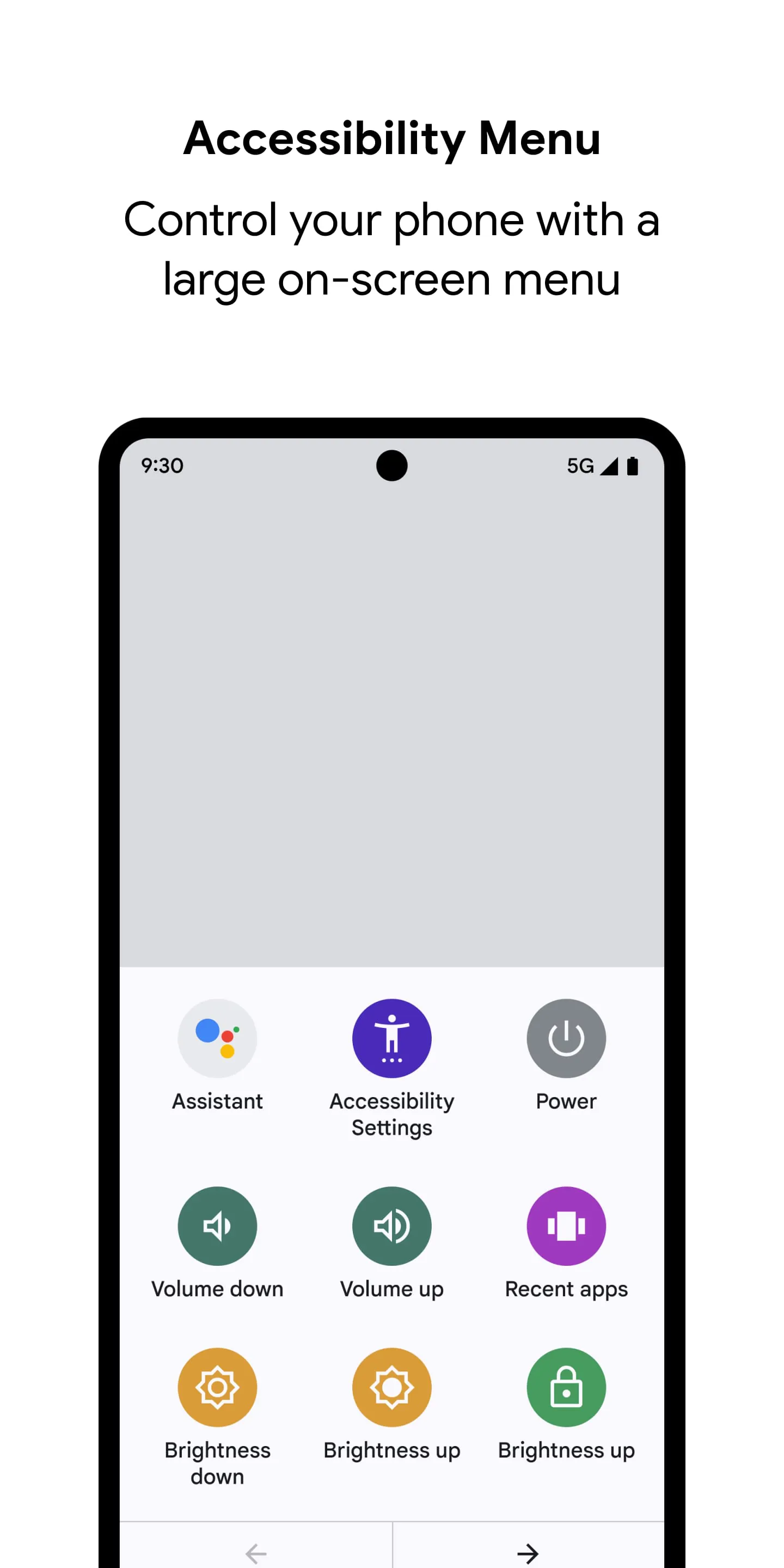
Additional Information
Category
ToolsVersion
V14.1.0.595874199
Tag
android | Accessibility | braille
Rate
4.00
★★★★★
Reviews
500 +
Installs
10B +
Developer
Google LLC
Content Rating
Everyone
Includes TalkBack, Accessibility Menu, and more.
ADVERTISEMENT
ADVERTISEMENT
Previous Versions
ZIP files require a Split APKs Installer (e.g., SAI) from Google Play to install. Steps: 1. Download SAI from Google Play; 2. Open SAI and tap "Install APKs"; 3. Select the ZIP file; 4. Complete installation.
V16.2.0.846008575

Package Name
com.google.android.marvin.talkback
Version Name
V16.2.0.846008575
Version Code
V16.2.0.846008575
File Size
18.19 MB
Update time
2026-1-6
V14.1.0.595874199
Package Name
com.google.android.marvin.talkback
Version Name
V14.1.0.595874199
Version Code
V14.1.0.595874199
File Size
33.33 MB
Update time
2024-1-4
V14.0.0.562957504
Package Name
com.google.android.marvin.talkback
Version Name
V14.0.0.562957504
Version Code
V14.0.0.562957504
File Size
35.57 MB
Update time
2023-9-5
V14.0.0.542209127
Package Name
com.google.android.marvin.talkback
Version Name
V14.0.0.542209127
Version Code
V14.0.0.542209127
File Size
35.47 MB
Update time
2023-6-22
ADVERTISEMENT
You Might Like