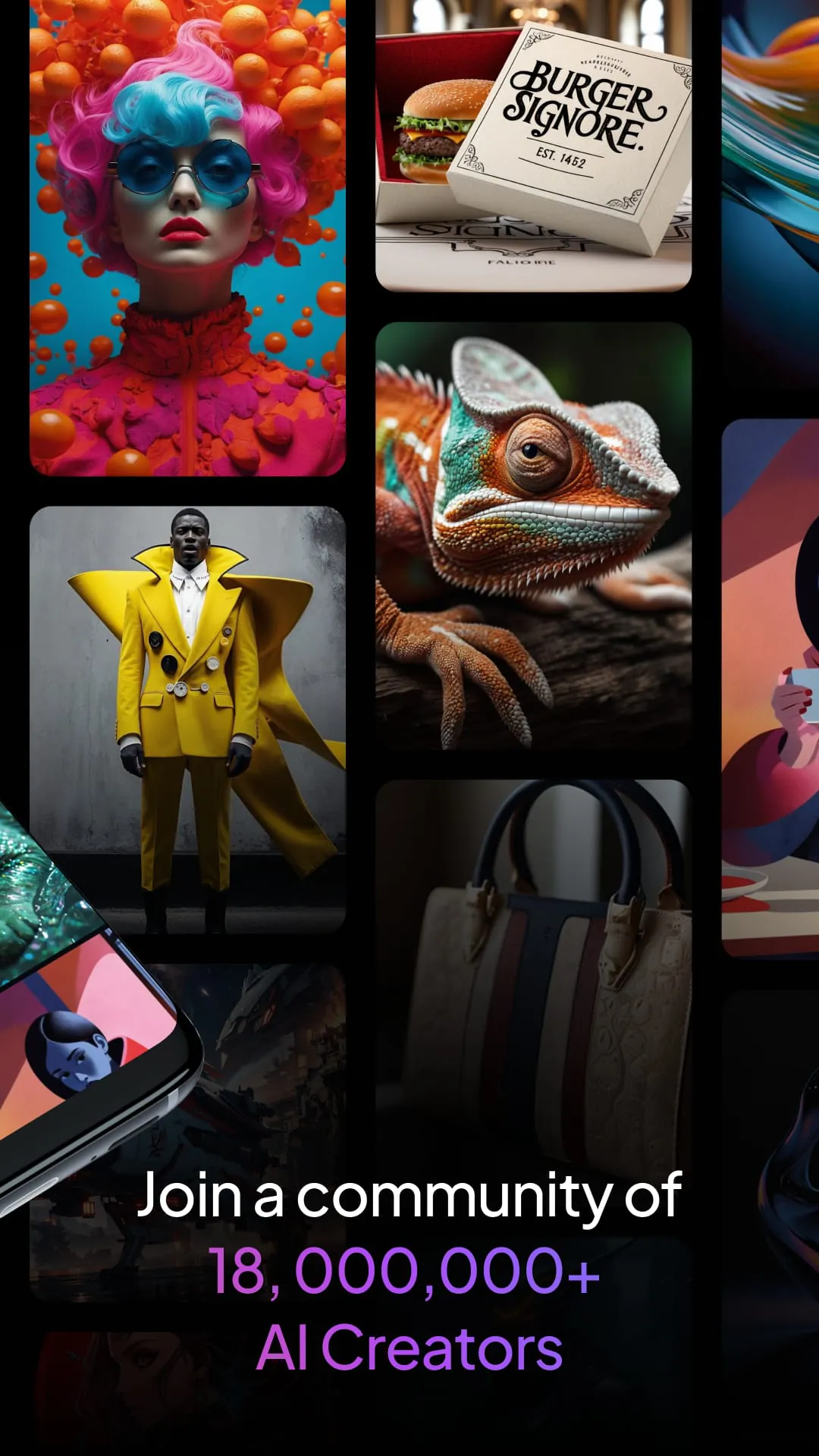
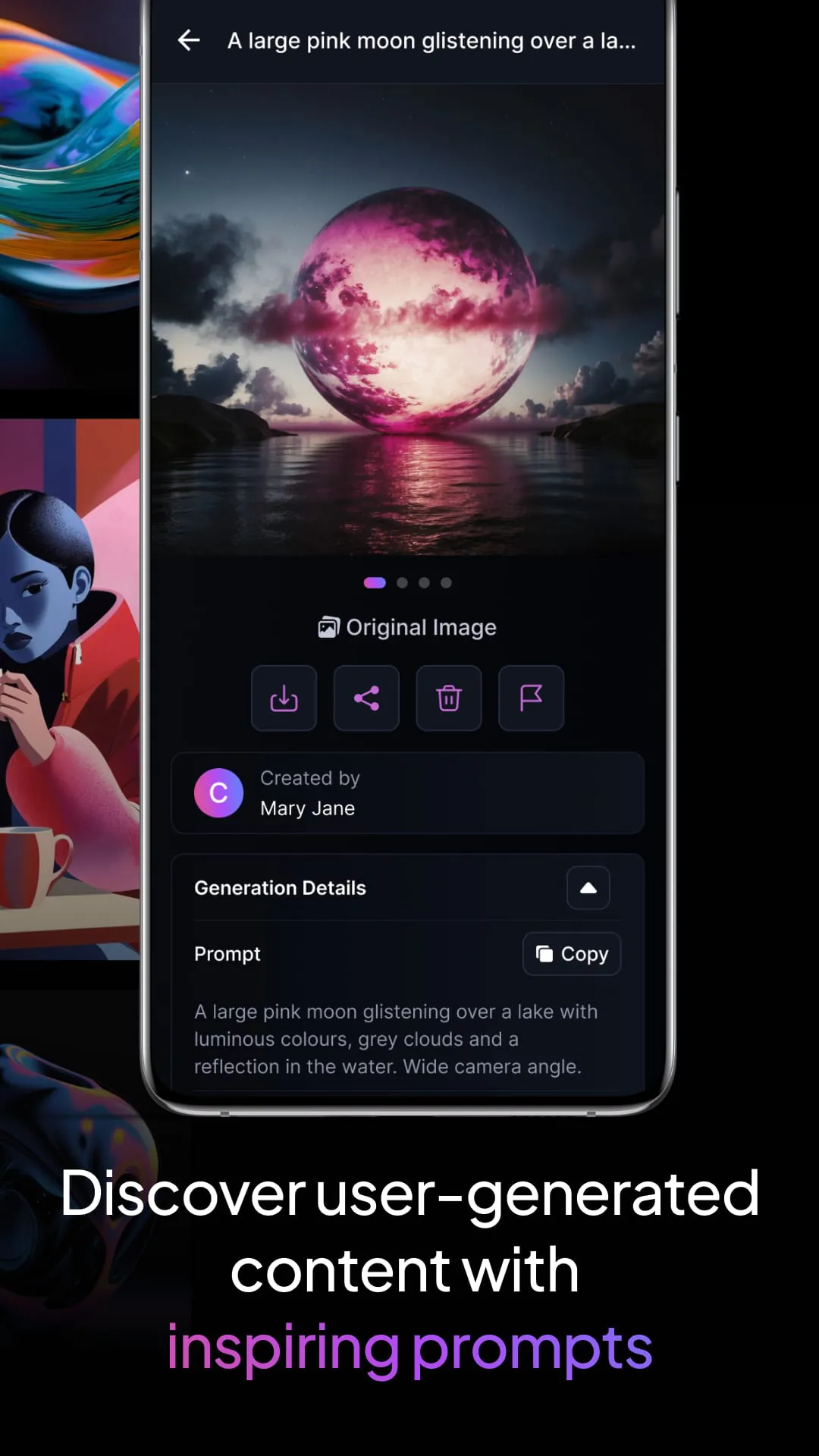
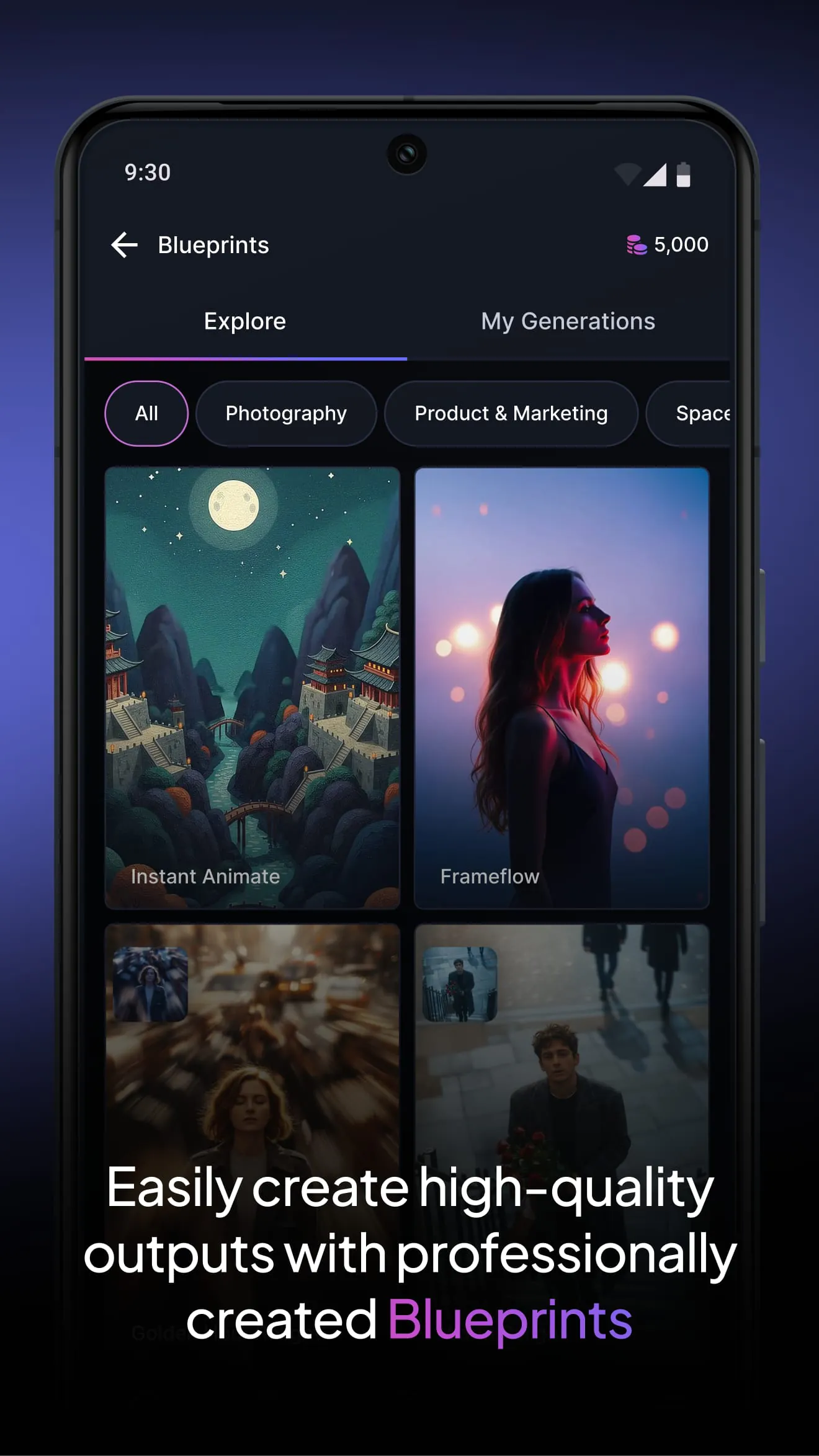
Leonardo.Ai has launched its AI art image generator on Android, bringing its powerful capabilities to mobile devices. This allows users to take control of their creative processes with tools like prompts, negative prompts, and tiling, ensuring precise fine-tuning of digital art. The application offers a variety of general-purpose and fine-tuned presets, which streamline the creation of production-ready art and design assets. The models are designed to produce high-quality AI art across a wide range of styles and applications. One of the standout features is Leonardo Phoenix, the foundational model known for its prompt adherence, coherent text integration, and rapid ideation through iterative prompting. This enables users to quickly explore concepts and styles while maintaining consistency. Leonardo.Ai emphasizes its accessibility and ease of use, promising users the ability to create diverse and imaginative artwork in just minutes. The Android app taps into the broader Leonardo.Ai ecosystem, where users can access a community of over 21 million creatives and a repository of over 1.7 billion images. This connection provides a source of inspiration and collaboration for users looking to push the boundaries of AI-generated art. The platform is designed to support both novice users and experienced artists, offering tools that simplify the creation process while still allowing for sophisticated customization. By making Leonardo.Ai available on Android, the company aims to broaden its user base and make AI-driven art creation more accessible to a wider audience. The emphasis on mobile accessibility means that users can create and refine artwork on the go, regardless of their location or device. Furthermore, the integration of the Android app with the existing Leonardo.Ai platform allows for seamless synchronization of projects and assets across devices. This ensures that users can start a project on their desktop and continue working on it from their Android device, or vice versa, without any loss of progress or fidelity. The company also underscores its commitment to user privacy and data security, with clear references to its Privacy Policy and Terms of Service. By prioritizing these aspects, Leonardo.Ai seeks to build trust and confidence among its users, assuring them that their data is handled responsibly and securely. This focus on transparency and accountability is essential for fostering a positive and sustainable relationship with the user community. Overall, the launch of Leonardo.Ai on Android marks a significant step forward in making AI-driven art creation more accessible and convenient for users worldwide. The combination of powerful tools, a vibrant community, and a commitment to user privacy positions Leonardo.Ai as a leading platform in the rapidly evolving landscape of AI-generated art.
The Android version of Leonardo.Ai aims to replicate the functionality and user experience of the web-based platform, while optimizing it for mobile devices. This involves careful consideration of the user interface, touch interactions, and device performance. The app is designed to be intuitive and easy to navigate, even for users who are new to AI art generation. The layout is clean and uncluttered, with clear labeling and helpful tooltips. The touch controls are responsive and precise, allowing users to manipulate images and parameters with ease. In terms of performance, the app is optimized to run smoothly on a wide range of Android devices. This includes minimizing memory usage, reducing processing overhead, and leveraging hardware acceleration where possible. The goal is to provide a seamless and lag-free experience, even when generating complex and detailed artwork. The Android app also leverages the unique capabilities of mobile devices, such as the camera and GPS. The camera can be used to capture images and incorporate them into artwork, while the GPS can be used to geotag creations or generate location-based art. These features add another layer of creativity and personalization to the app. In addition to its core functionality, the Leonardo.Ai Android app also includes a number of social and community features. Users can share their creations with the Leonardo.Ai community, browse artwork created by others, and participate in challenges and contests. This fosters a sense of community and encourages users to learn from each other. The app also provides access to tutorials and documentation, which help users get started with the platform and learn about advanced techniques. These resources are designed to be accessible and easy to understand, even for users who have no prior experience with AI art generation. The development of the Leonardo.Ai Android app involved a significant investment in research and development. The company's team of engineers and designers worked closely with AI experts to optimize the platform for mobile devices. This included developing new algorithms for image generation, refining the user interface, and testing the app on a wide range of devices. The result is a high-quality and reliable app that delivers a seamless and enjoyable user experience. The app is regularly updated with new features and improvements, based on user feedback and the latest advances in AI technology. This ensures that the app remains at the forefront of the AI art generation space.
Leonardo.Ai's presence on Android offers distinct advantages by increasing accessibility and convenience for users. This expansion enables creativity on-the-go, removing the limitations of desktop-only access. The mobile platform allows artists and designers to initiate, refine, and share their work from virtually anywhere, whether commuting, traveling, or simply away from their primary workstation. This level of flexibility can be a significant boon for professionals who require constant access to their creative tools or for hobbyists who wish to engage in art creation during their leisure time. Furthermore, the Android app integrates seamlessly with the existing Leonardo.Ai ecosystem. Users can effortlessly synchronize their projects, assets, and settings between their desktop and mobile devices. This cross-platform compatibility ensures a consistent and uninterrupted workflow, regardless of the device being used. Artists can start a project on their desktop, continue working on it during their commute using their Android device, and then finalize it back on their desktop, all without any loss of data or fidelity. The mobile version of Leonardo.Ai also takes advantage of the unique capabilities of Android devices. The app can access the device's camera, allowing users to directly incorporate real-world images into their AI-generated artwork. This feature can be particularly useful for creating collages, textures, or as a basis for generative models. The app can also utilize the device's GPS to geotag artwork or create location-based art. This feature opens up new possibilities for creative expression, allowing artists to connect their work with specific places and experiences. In addition to these functional benefits, the Android app also enhances the social and community aspects of Leonardo.Ai. Users can easily share their creations with the Leonardo.Ai community directly from their mobile devices. This makes it easier to receive feedback, collaborate with other artists, and participate in contests and challenges. The app also provides access to tutorials and documentation, making it easier for new users to learn about the platform and its features. Overall, the launch of Leonardo.Ai on Android represents a significant step forward in the democratization of AI-powered art creation. By making the platform accessible on mobile devices, Leonardo.Ai empowers a wider audience to explore their creative potential and express themselves through the power of artificial intelligence.



 APK
APK  Google Play
  iOS
iOS  4.70
4.70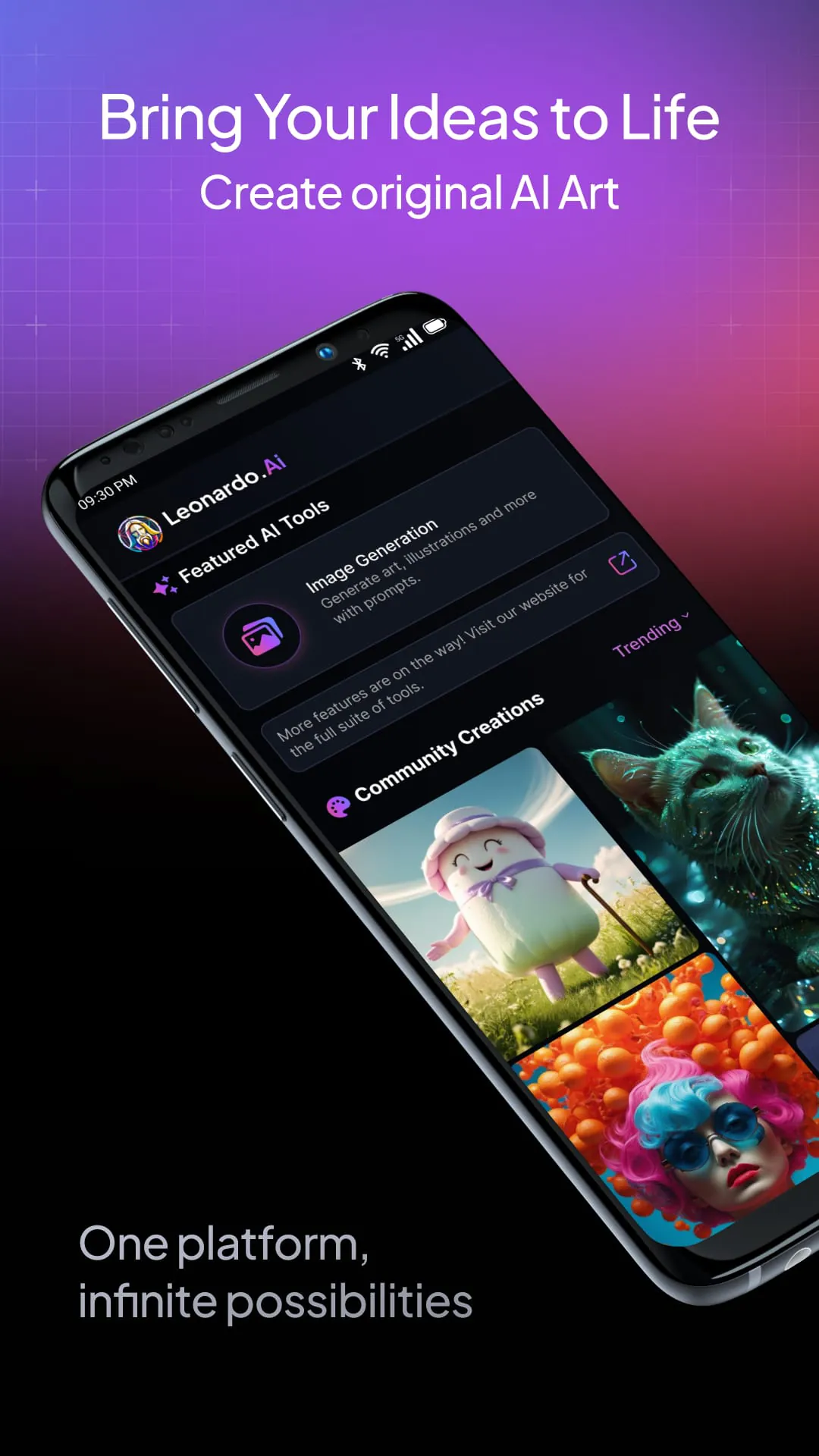
 Download